


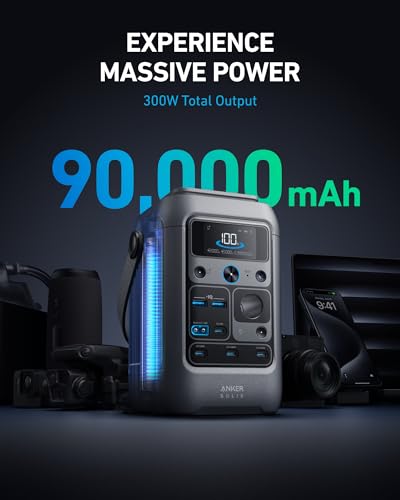
Choose the Jackery Explorer 300 if you need a wall outlet on the box; choose the Anker SOLIX C300 DC if every device you own runs on USB or 12 V, because the C300 DC has no AC outlet at all. Capacity is a near tie: about 292 Wh against 288 Wh.

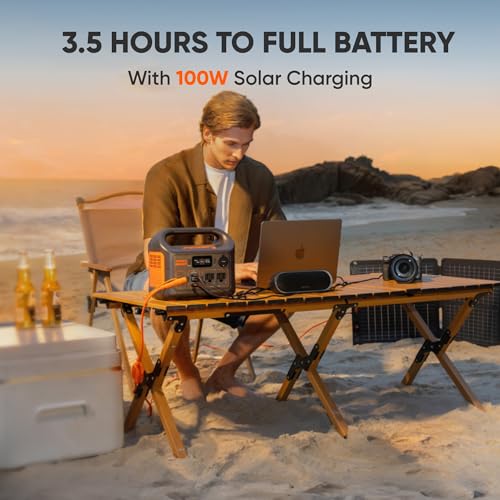
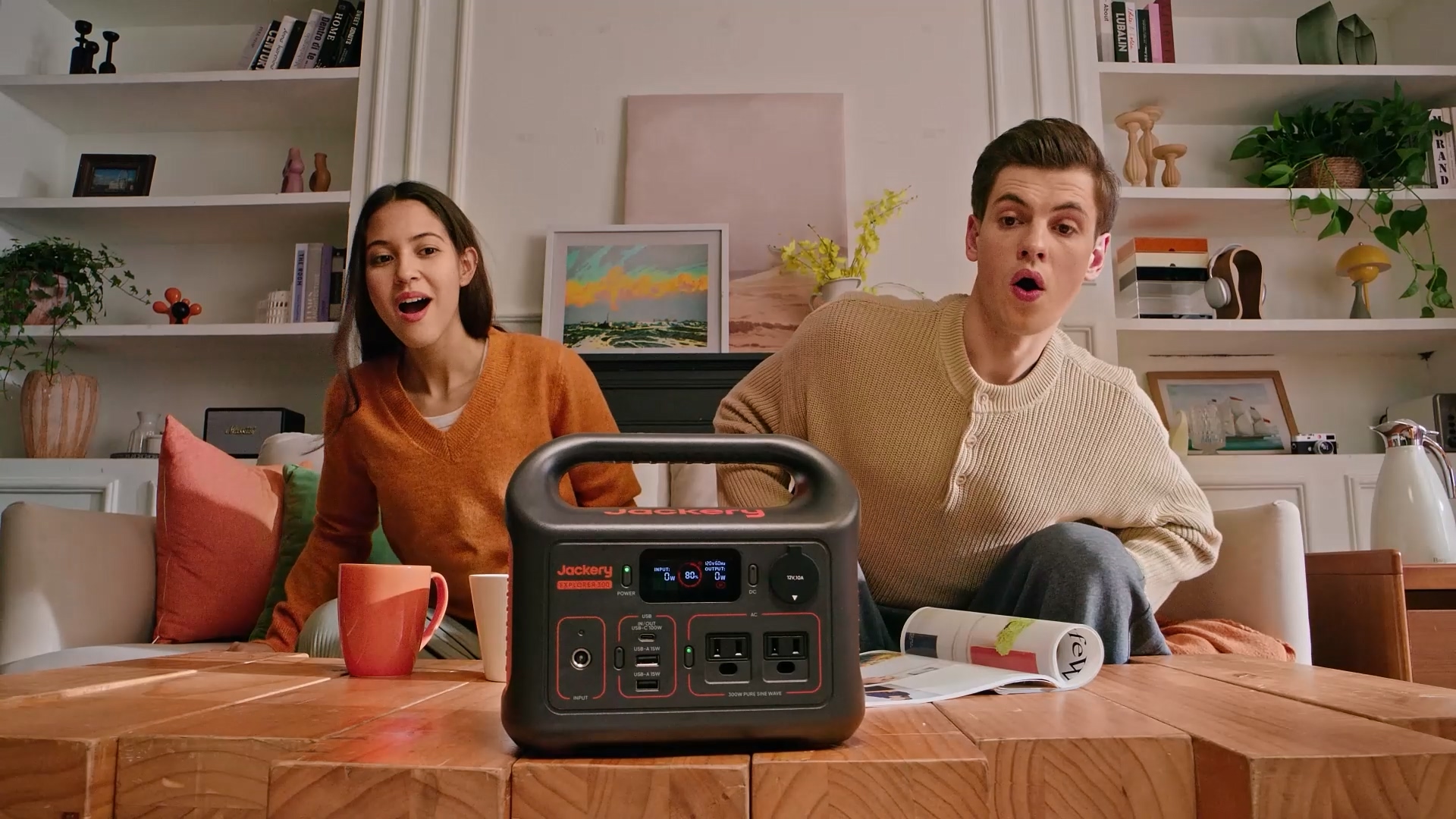
Jackery Explorer 300 Portable Power Station,292Wh


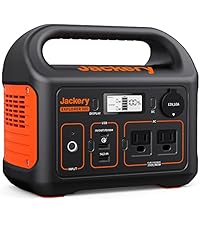

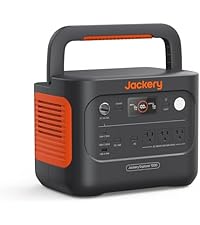
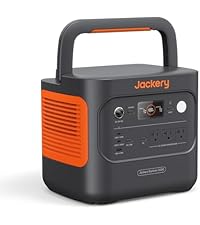
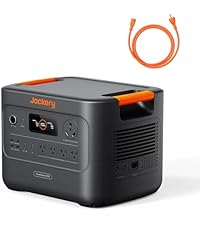
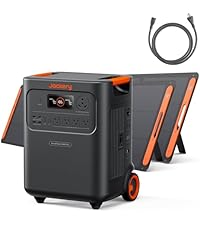
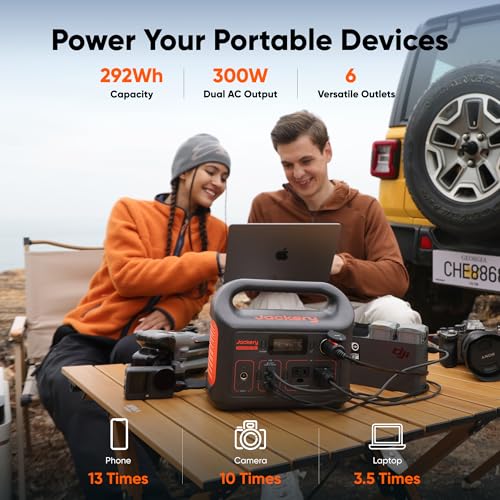

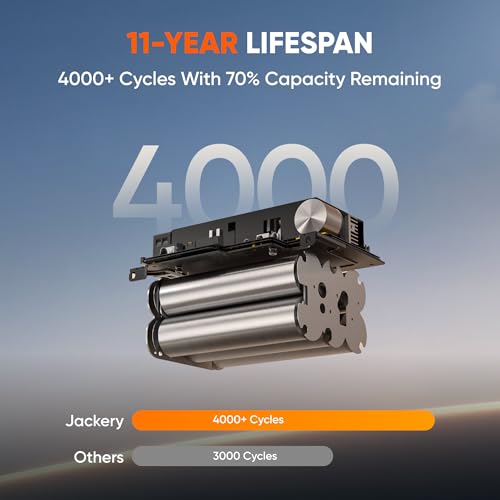
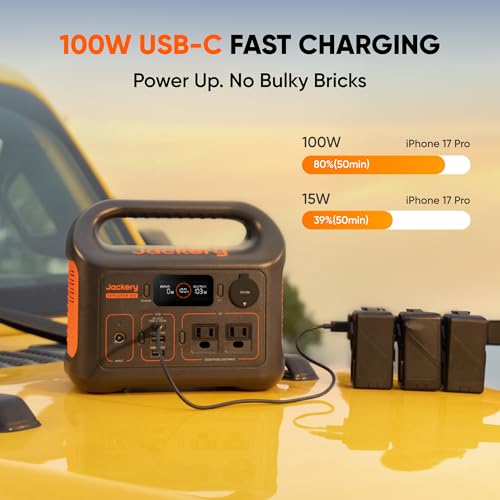
As an Amazon Associate we earn from qualifying purchases. Product prices and availability are accurate as of the date/time indicated.

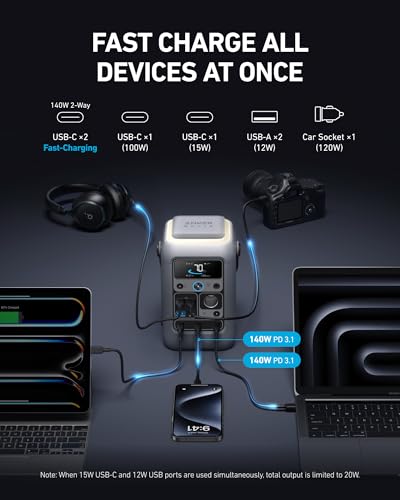
Prime Anker SOLIX C300 DC Portable Power Station, 288Wh


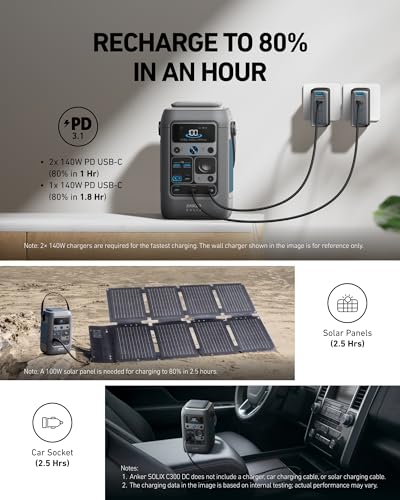
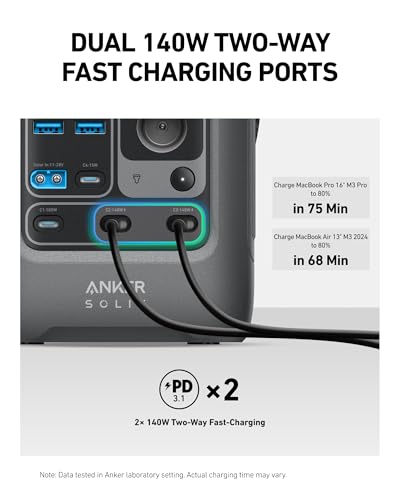


As an Amazon Associate we earn from qualifying purchases. Product prices and availability are accurate as of the date/time indicated.
Specs Side by Side
| Spec | Jackery Explorer 300 | Anker SOLIX C300 DC |
|---|---|---|
| Capacity | 292 Wh LiFePO4 (older copy on Jackery’s page says 293 Wh) | 288 Wh |
| Output | 300 W rated, 2 AC outlets, 100 W USB-C PD, 2 USB-A, 120 W car port | 300 W total, no AC outlet; USB-C ports up to 140 W, car socket 120 W |
| Wall or USB-C recharge | About 4 hours by AC adapter per the Amazon listing (Jackery’s 4.5 hours sits in its outdated legacy block) | Up to 280 W through two USB-C ports (C2 and C3 only) |
| Solar | 80% in about 2.8 hours with a compatible 100 W panel (Jackery) | 11 to 28 V, 8.2 A, 100 W max (Anker) |
| Temperature | Discharges at -10 to 40°C (14 to 104°F) | Charges 32 to 104°F; discharges -4 to 104°F |
| Weight | 7.5 lb (Jackery’s page) | 2.8 kg, about 6.2 lb |
| Warranty | 2+1 years per Jackery’s page | 3 years (36 months) per Anker’s warranty policy table |
Figures come from Jackery’s product page and Anker’s support pages and manual. Where a spec is missing here, we could not confirm it from the maker.
The Differences That Matter
1. AC Outlet or No AC Outlet
The Jackery runs a CPAP’s AC adapter, a laptop brick, or a small fan. The C300 DC cannot, because DC is in its name: it has USB-C, USB-A, and a car socket only. Check each device’s label. A 12 V CPAP or camp fridge works with the car port (120 W limit); an AC device does not.
2. How Fast It Refills
Anker’s USB-C input is the bigger edge. The listing gives about 4 hours from the wall. With one 100 W USB-C charger, the C300 DC needs at best 288 Wh / 100 W = 2.9 hours before losses, and faster with two 140 W-class chargers. You do need those chargers; the box has a cable, not a brick.
3. Solar and Runtime
Both take about 100 W of solar. Jackery quotes 80% in 2.8 hours with its panel, which implies 292 Wh x 0.8 / 2.8 h = about 83 W average. Runtime at the same planning figure of 0.85 conversion efficiency: a 45 W 12 V cooler runs 292 x 0.85 / 45 = 5.5 hours on the Jackery and 288 x 0.85 / 45 = 5.4 hours on the Anker. Treat them as equal.
4. Battery Claims to Verify
The top of Jackery’s page and the Amazon listing for this ASIN describe 292 Wh, LiFePO4, and 4,000+ cycles to 70%. Older copy lower on the same page (293 Wh, lithium-ion, 800 cycles to 80%) appears to describe an earlier version of the Explorer 300, so treat those figures as outdated and check the label if you buy older stock. Anker’s page states LiFePO4.
Choose A or B
Choose the Jackery Explorer 300 if you need any AC outlet, such as a CPAP adapter or small appliance, and can live with slower recharge. Avoid if: you want fast refills.
Choose the Anker SOLIX C300 DC if you run laptops, phones, and 12 V gear, and want fast USB-C refills. Avoid if: any device needs an AC outlet.
We research and compare; we do not run our own product trials. For bigger loads see home backup power stations, and for brand context Anker SOLIX vs Jackery. Method: how we choose.
FAQ
Can the Anker SOLIX C300 DC run a CPAP?
Only a CPAP that has a DC cord for a 12 V socket and stays under the 120 W car port limit. With an AC adapter it cannot, since there is no AC outlet. See CPAP runtime.
Does the C300 DC include a wall charger?
Anker’s listing shows a USB-C cable, a safety manual, and warranty info in the box, not a wall brick. Plan to supply a USB-C charger.
Is 300 W enough for a mini fridge?
Often yes for running, but not always for starting. Check the label’s startup watts, and read running watts vs starting watts.
Changelog: November 2026: first published.









