


An electric composter is a scrap dryer that fits on a counter; a tumbler or bin is a slow composter that fits in a yard. If you want finished compost from a kitchen with no outdoor space, neither is a clean answer, and EPA’s own definition explains why.

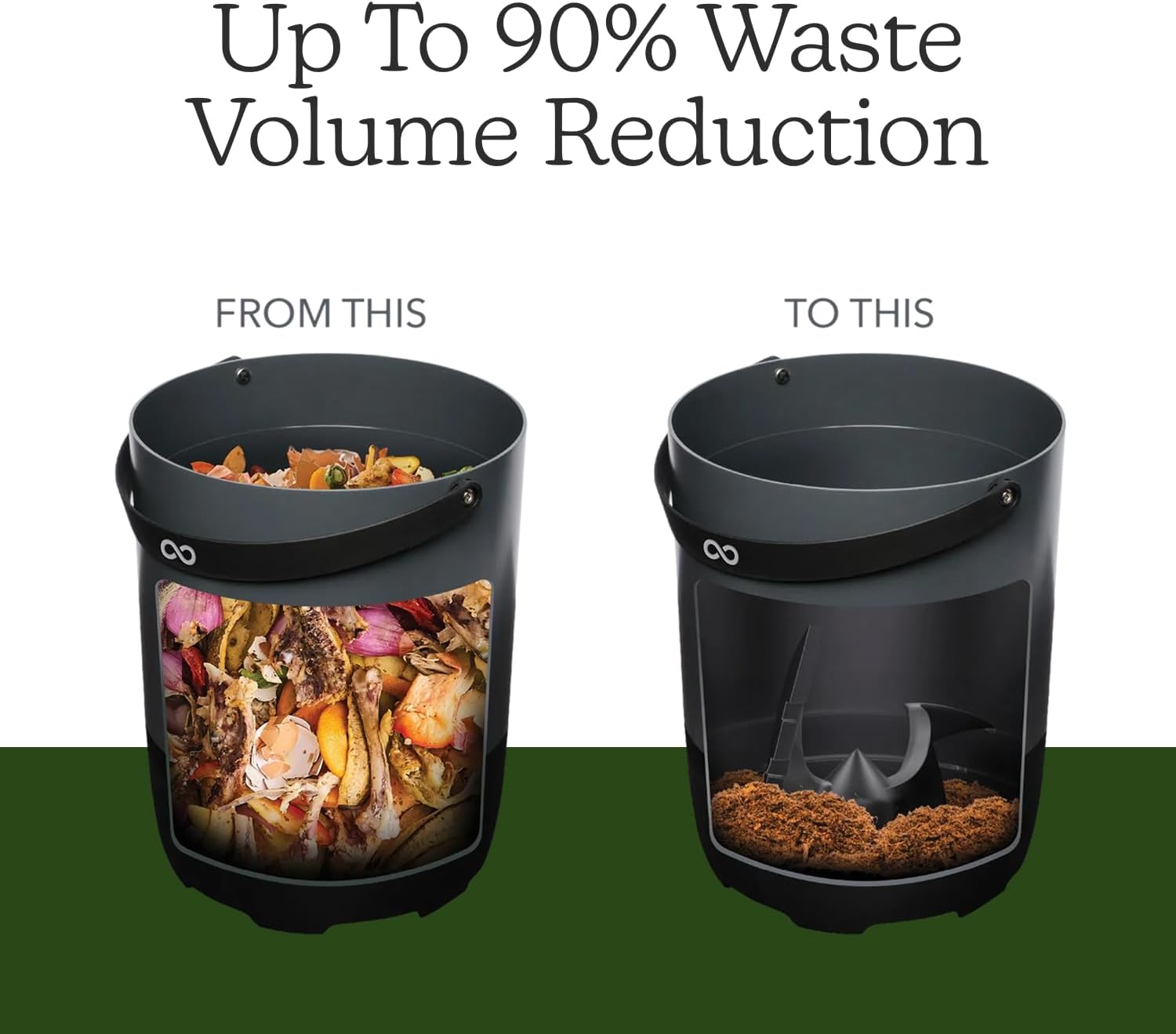
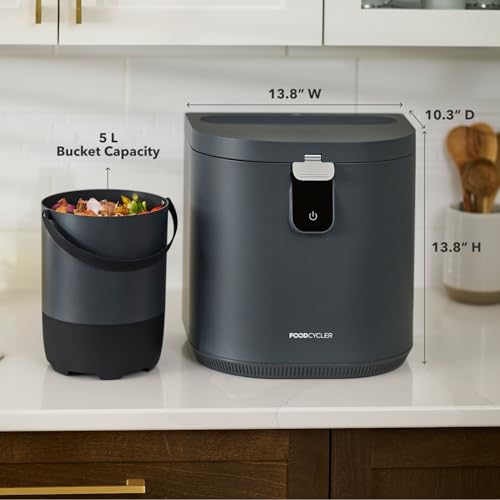
Prime Food Cycler Eco 5 Award-Winning Kitchen Food




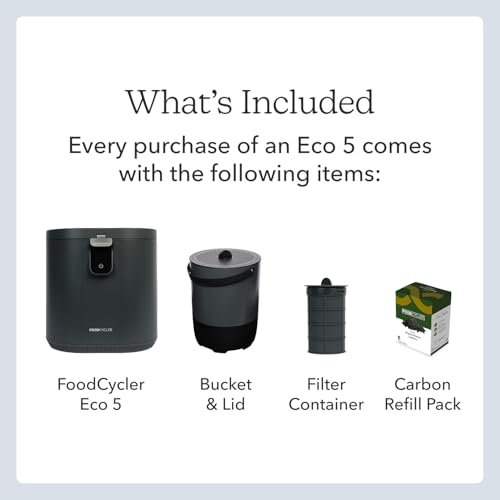
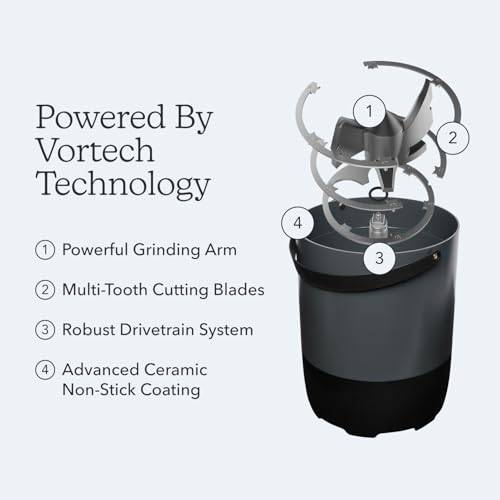
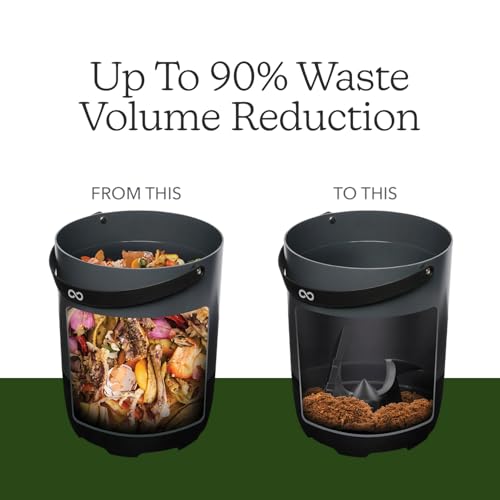
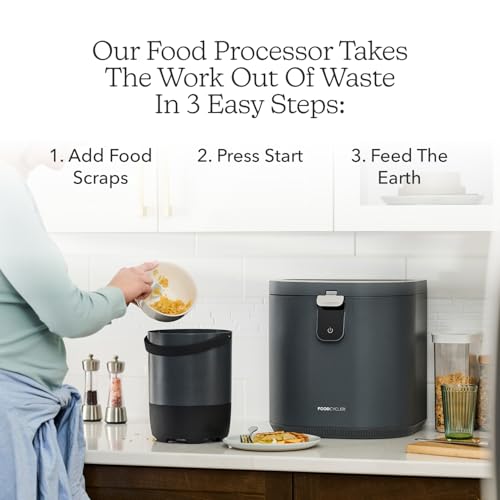
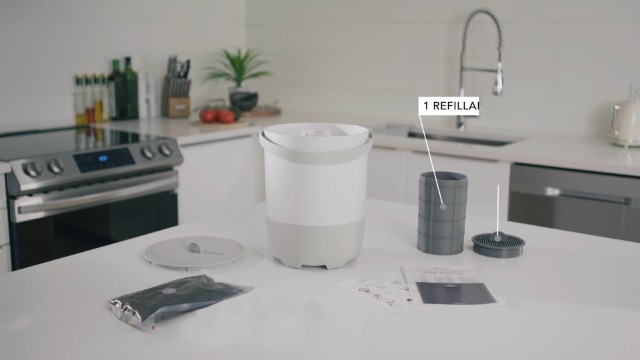
As an Amazon Associate we earn from qualifying purchases. Product prices and availability are accurate as of the date/time indicated.

Prime Miracle-Gro Dual Chamber Compost Tumbler
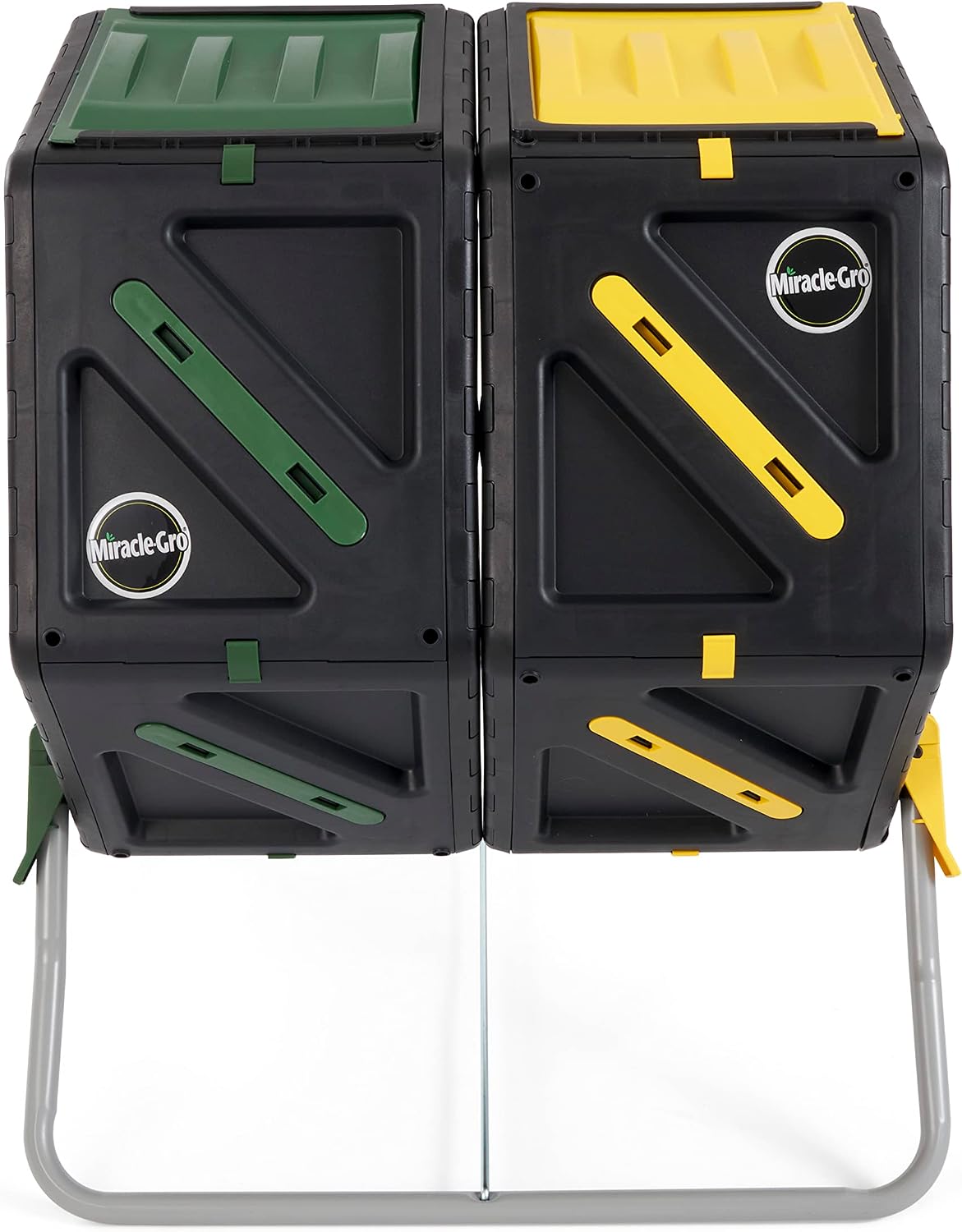


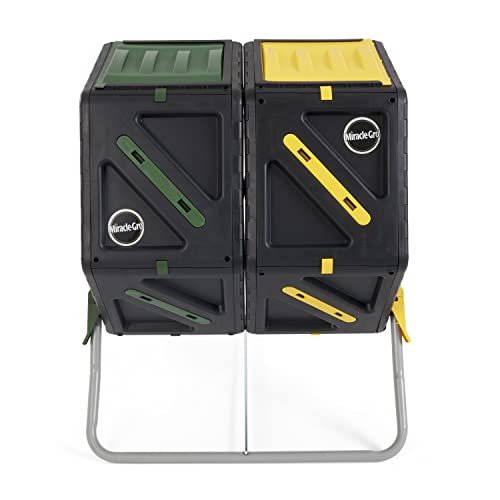
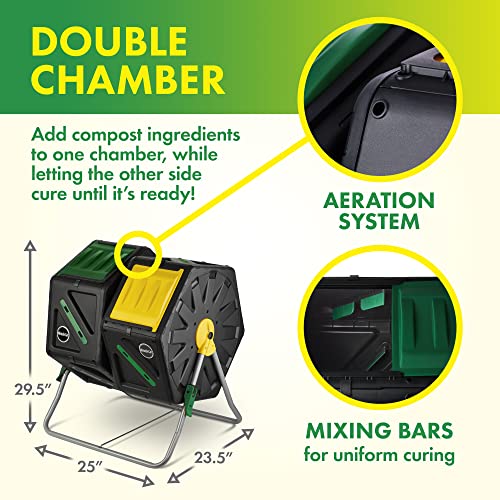
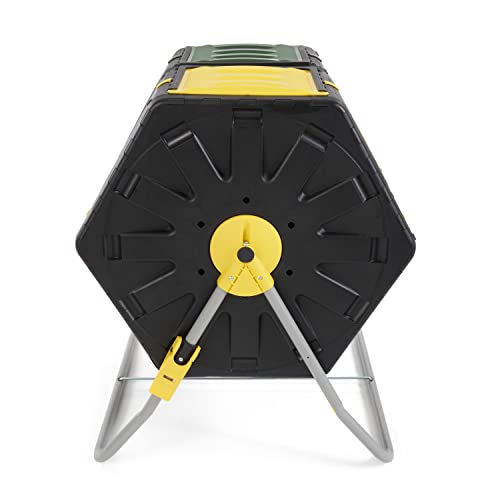
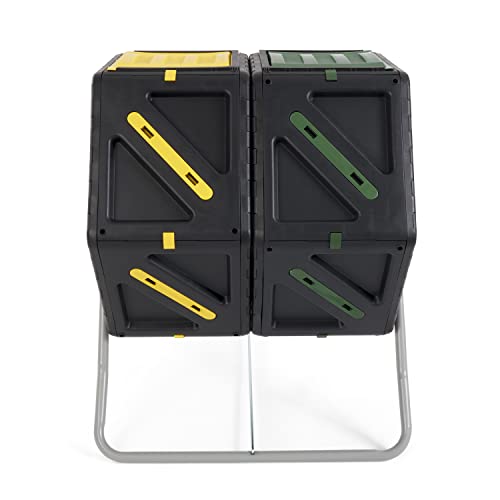
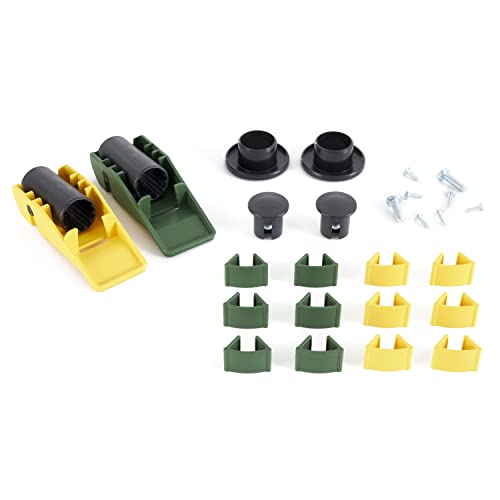
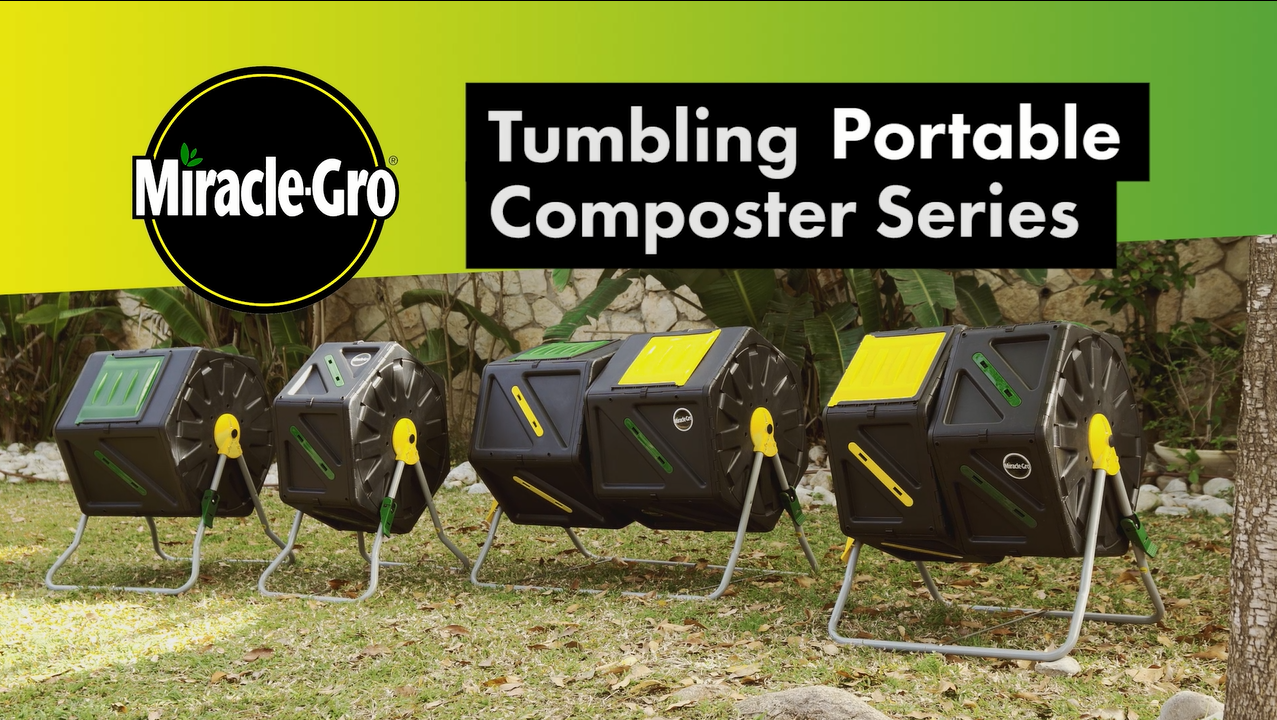
As an Amazon Associate we earn from qualifying purchases. Product prices and availability are accurate as of the date/time indicated.
Side by Side
| Spec | FoodCycler Eco 5 (electric) | Miracle-Gro dual tumbler (traditional) |
|---|---|---|
| Capacity | 5 L (about 1.3 gal) | 2 x 18.5 gal (37 gal) |
| Time per batch | 4 to 9 hours (maker) | 4 to 6 weeks (listing) |
| Energy | About 1.5 kWh per cycle (maker) | None, you turn it by hand |
| What comes out | Dry “Foodilizer” (maker) | Compost, if it is balanced and turned |
| Warranty | 3 years (maker) | Not confirmed on a brand site |
| Where it lives | Counter or floor, needs an outlet | Yard, patio, or driveway |
Where They Differ
What you end up with
EPA defines compost as a biologically stable soil amendment made by aerobic decomposition, and its “What is not compost” list names material ground up or dehydrated by a residential food scraps dehydrator. The FoodCycler maker labels its output Foodilizer, a dry by-product to mix into soil or compost, so it is an ingredient rather than finished compost. Reencle takes a different route: its site says its microbe-based machine makes real compost in 30 days, though a maker blog says the output benefits from curing in soil. Our electric composter guide compares the models.
Capacity and speed
One tumbler chamber holds 18.5 gal, which is 70 L, or 14 buckets of 5 L. A countertop unit finishes a batch in hours but only takes a day or two of scraps at a time. A tumbler finishes in weeks but swallows kitchen scraps and yard waste together. Oregon State Extension says to rotate a tumbler daily, or at a minimum several times a week, so it only beats a pile on effort if you actually turn it. Our tumbler picks and tumbler vs bin comparison cover that side.
Running cost
Formula: kWh per cycle x cycles per year x your rate. At one cycle a day, 1.5 x 365 = 547.5 kWh. At the EIA August 2026 U.S. residential average of 18.16 cents per kWh, that is 547.5 x 0.1816, about 99 dollars a year. Run it every other day and it halves. A tumbler costs nothing to run, but you give up time and some space.
What you can feed it
The FoodCycler listing says it accepts leftovers, and that is its real advantage over a backyard unit. EPA’s avoid list for home composting includes meat, fish, dairy, fats, and cooked food, because backyard piles generally do not reach high enough temperatures for them. See what not to compost. Apartment dwellers can read how to compost in an apartment.
Heat and finishing time
EPA gives 130 to 160 degrees F as the working range of a hot pile and about 3 to 5 months to finished compost when you manage it. The tumbler listing claims 4 to 6 weeks, which is the seller’s number. See how long compost takes for realistic timing.
Choose Electric If
- You have no yard, or a landlord or HOA bars outdoor bins.
- You generate cooked scraps and want them out of the trash fast.
- You can bury or blend the dry output into soil or an existing pile.
Choose a Tumbler or Bin If
- You have a patio or yard and enough leaves and grass to balance kitchen scraps.
- You want finished compost for beds and have no outlet nearby.
- You prefer no electricity, no filters, and no warranty claims to track.
- Avoid if you have no outdoor space or cannot turn the drum regularly.
We research and compare; we do not use or review the products ourselves. Specs come from maker pages and listings, and we say which. See How We Choose.
FAQ
Are electric composters worth it?
They are worth it for a household that cannot compost outdoors and wants scraps processed quickly. They are poor value if you expect finished compost from the machine alone, since EPA does not count dehydrated scraps as compost.
Can I put the output straight on plants?
Follow the maker’s manual. FoodCycler describes its output as a dry by-product to mix into soil or compost, so blend it in rather than treating it as finished compost.
Can I use both?
Yes. FoodCycler says its output can be mixed into a compost pile, so a household can run the machine indoors and still keep a yard bin for leaves and garden waste.
Changelog: November 2026: first published.









