


Lay a soaker hose in a loop a foot or two out from the foundation, not against it, and run it long enough to wet the soil several inches deep, without puddles. The sources I found give no single distance or time, so measure your own flow and check the soil by hand. Watering may help keep soil moisture steadier on shrinking and swelling clay; it does not prevent or repair foundation cracks.
Where to Put the Hose
The only Texas A&M AgriLife item I found is a 2009 Bexar County tip: run the soaker between the foundation and the shrub bases, at least four hours a day every two weeks in place of an inch of rain. It gives no distance. Schroeder Engineering says a soaker hose can go within a few feet of the foundation but not directly against it, and to move it farther out where soil has pulled away, because water can flow into the gaps and press on the walls. Home builder blog pages I saw commonly cite 12 to 24 inches out. I treat that as a starting range, not a rule.
Clay, Gaps, and Limits
- Expansive clay swells when wet and shrinks when dry, so wide swings in moisture are the concern. Slow, even watering may reduce those swings.
- Water puddling at the wall means too much or too fast. Shorten the run.
- Visible cracks or doors that stick call for a licensed structural engineer, not more water. Rehydrating soil may help in some cases but is not a repair.
- Local watering restrictions may limit run times; check your utility.
How Long to Run It
Schroeder Engineering suggests about 1 to 2 inches of rain equivalent per week in hot, dry weather. Here is the math for 100 feet of hose watering a 2 ft wide strip: 100 x 2 = 200 sq ft, and 200 x 0.623 gallons per sq ft per inch = about 125 gallons for 1 inch. Time the hose end in a bucket. If it delivers 125 gallons an hour, 1 inch takes 1 hour; at 60 gph it takes about 2 hours (125 / 60 = 2.1). Split that across two or three days and set a hose timer, such as those in best hose timers.
Setup Steps
- Mark a path about 1 to 2 feet from the wall (a starting range), following the contour of the house, and keep clear of gas, water, and sewer lines (call 811 a few business days before any digging).
- Lay the hose on the soil, pin it, and cap the far end. Keep within the maker’s maximum run length; extension guidance commonly puts soaker runs at about 100 feet or less.
- Cover with mulch to cut evaporation.
- Check the soil with a probe or screwdriver a few hours after a run. It should be damp several inches down but not soggy at the surface.
Which Hose
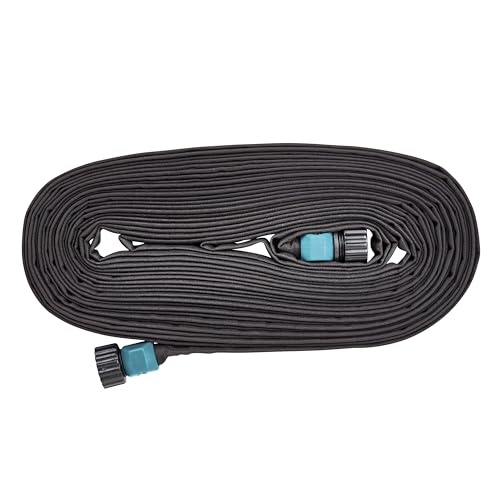
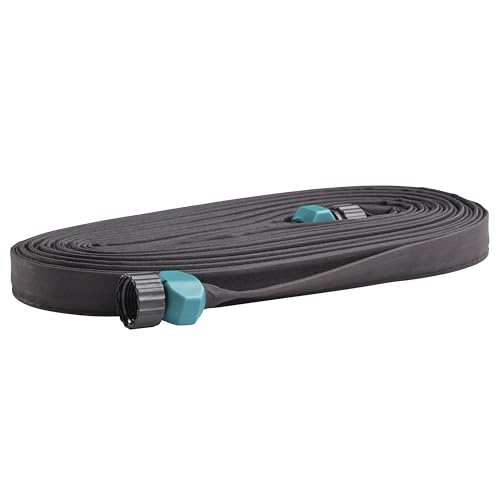
Flat hose is easy to lay but does not always weep on one side only. Bob Vila’s roundup says the holes are typically, though not always, on one side, so do not count on aiming them. Round porous hose is another option; see flat vs round soaker hose. Install basics are in how to install a soaker hose, and run times in how long to run a soaker hose.
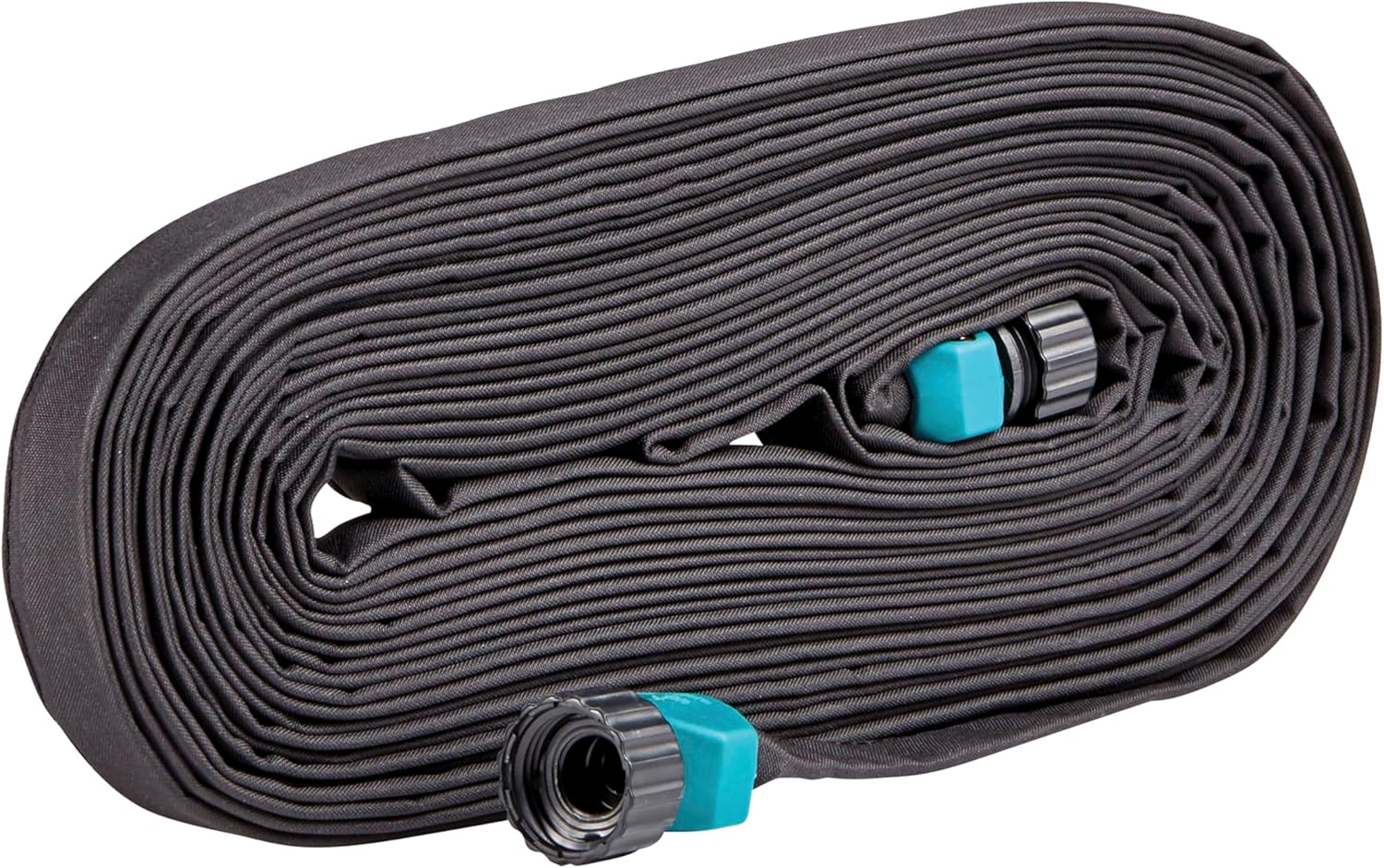
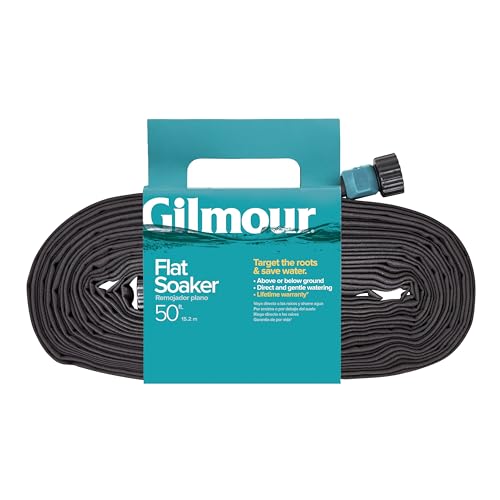
Prime Gilmour 50' Black Flat Weeper Soaker Hose


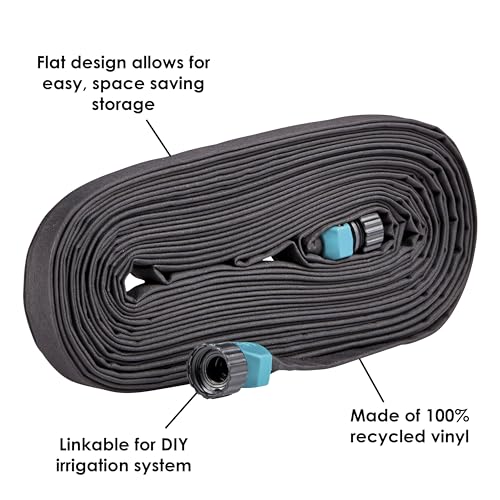
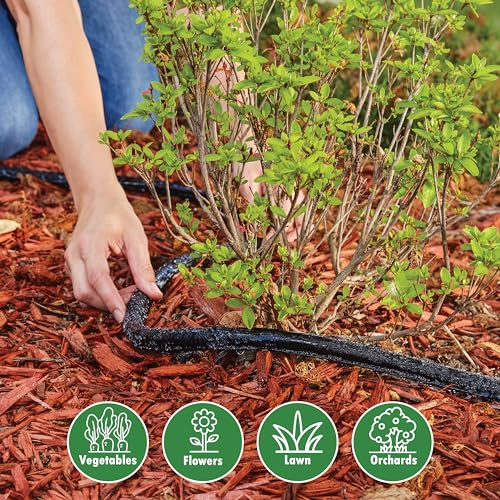
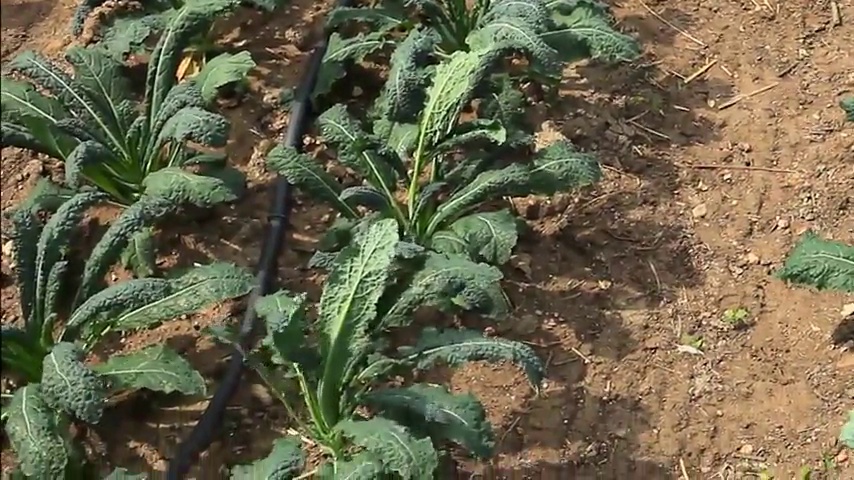
As an Amazon Associate we earn from qualifying purchases. Product prices and availability are accurate as of the date/time indicated.
Compare more models in best soaker hoses. For plant beds, drip may suit better; see drip irrigation kits. Method: how we choose.
Changelog: November 2026: first published.









