


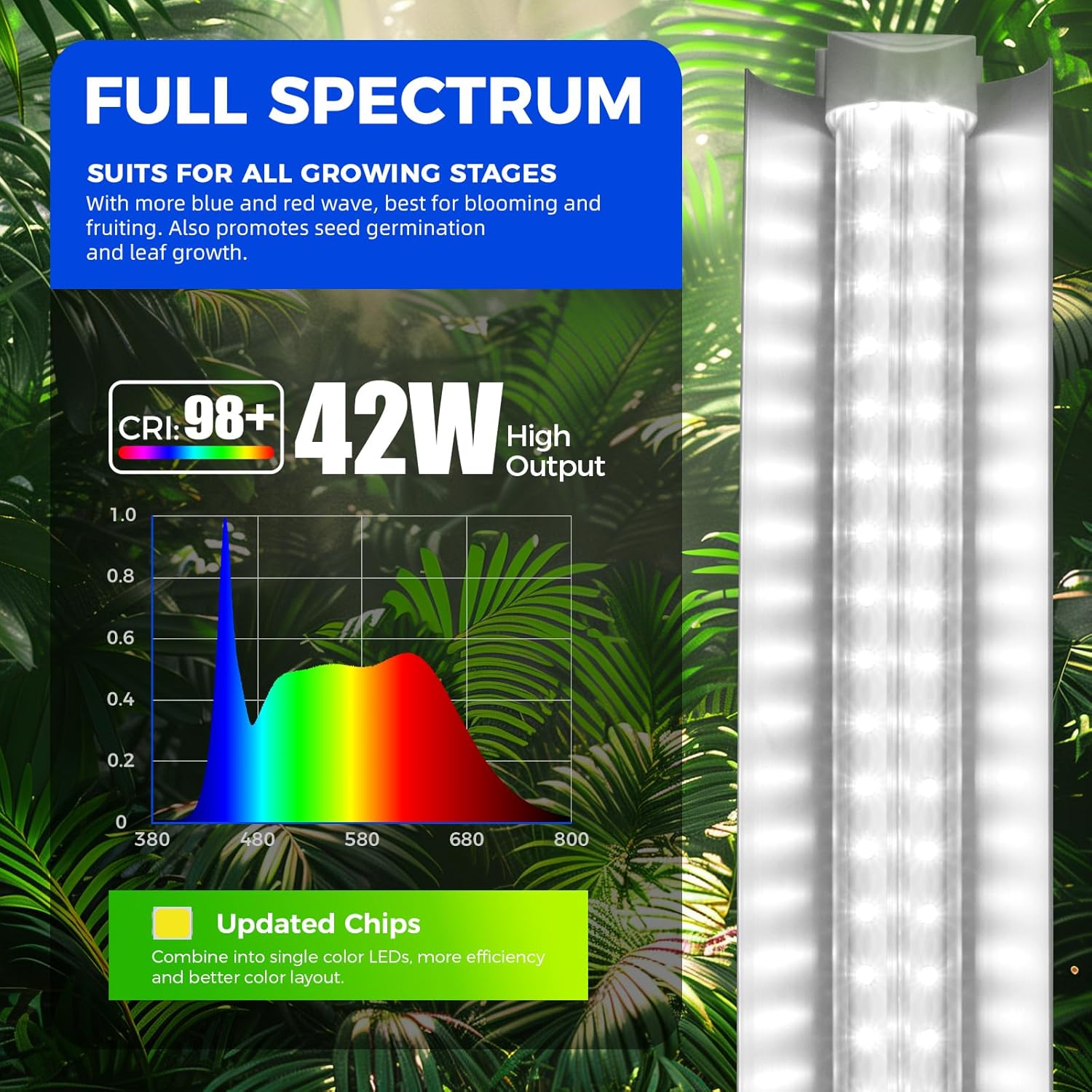
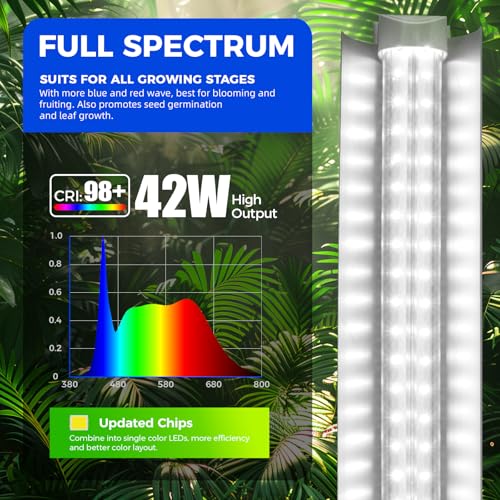
For a new setup, LED is the easier buy: a 4 ft LED strip lists 42 W against 54 W for a 4 ft T5HO fixture, about 22 percent less power, and extension guidance lets LEDs sit farther from plants. Fluorescent still makes sense if you already own the fixture.

Barrina Plant Grow Lights






As an Amazon Associate we earn from qualifying purchases. Product prices and availability are accurate as of the date/time indicated.

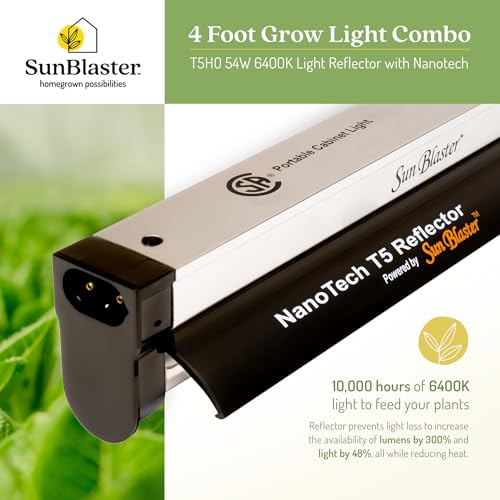
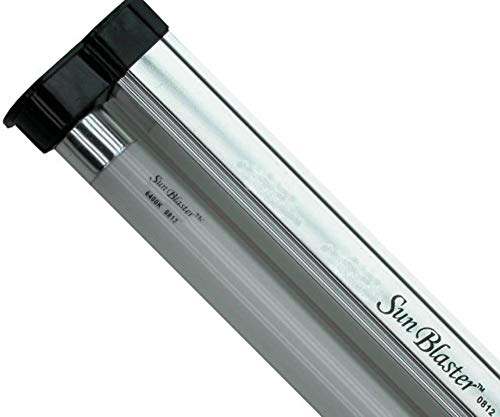
Prime SunBlaster SL0900304 54 Watt 6400K 4' 120V




As an Amazon Associate we earn from qualifying purchases. Product prices and availability are accurate as of the date/time indicated.
Side by Side
| Listed spec | Barrina 4 ft LED strips (6 pack) | SunBlaster 4 ft T5HO fluorescent |
|---|---|---|
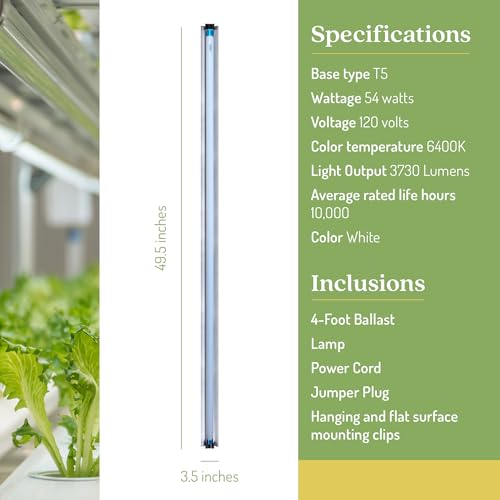
| Power | 42 W each (252 W for six) | 54 W |
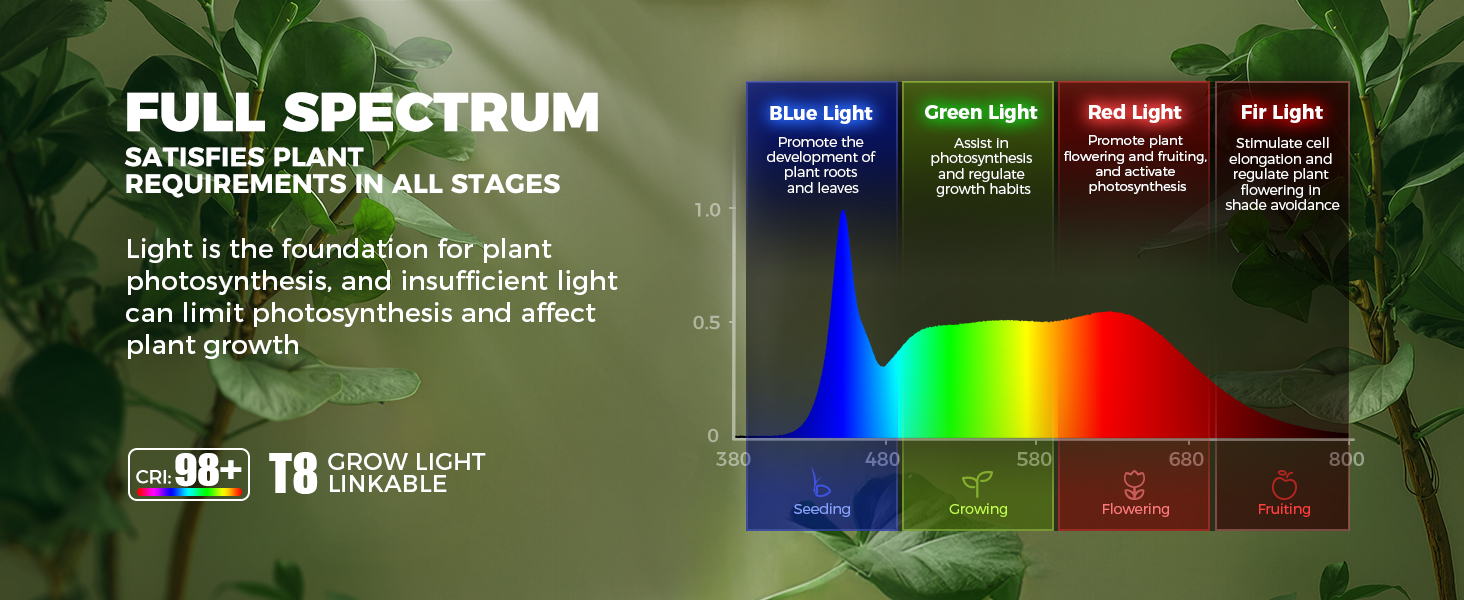
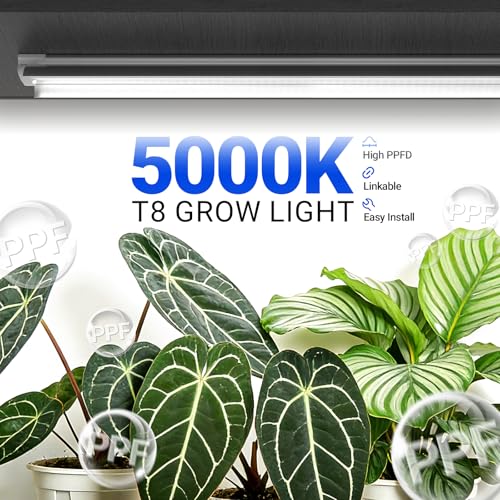
| Color temperature | 5000K | 6400K |
| Listed light output | 2,100 lumens | 3,730 lumens |
| Rated life | Not stated on the listing | 10,000 hours |
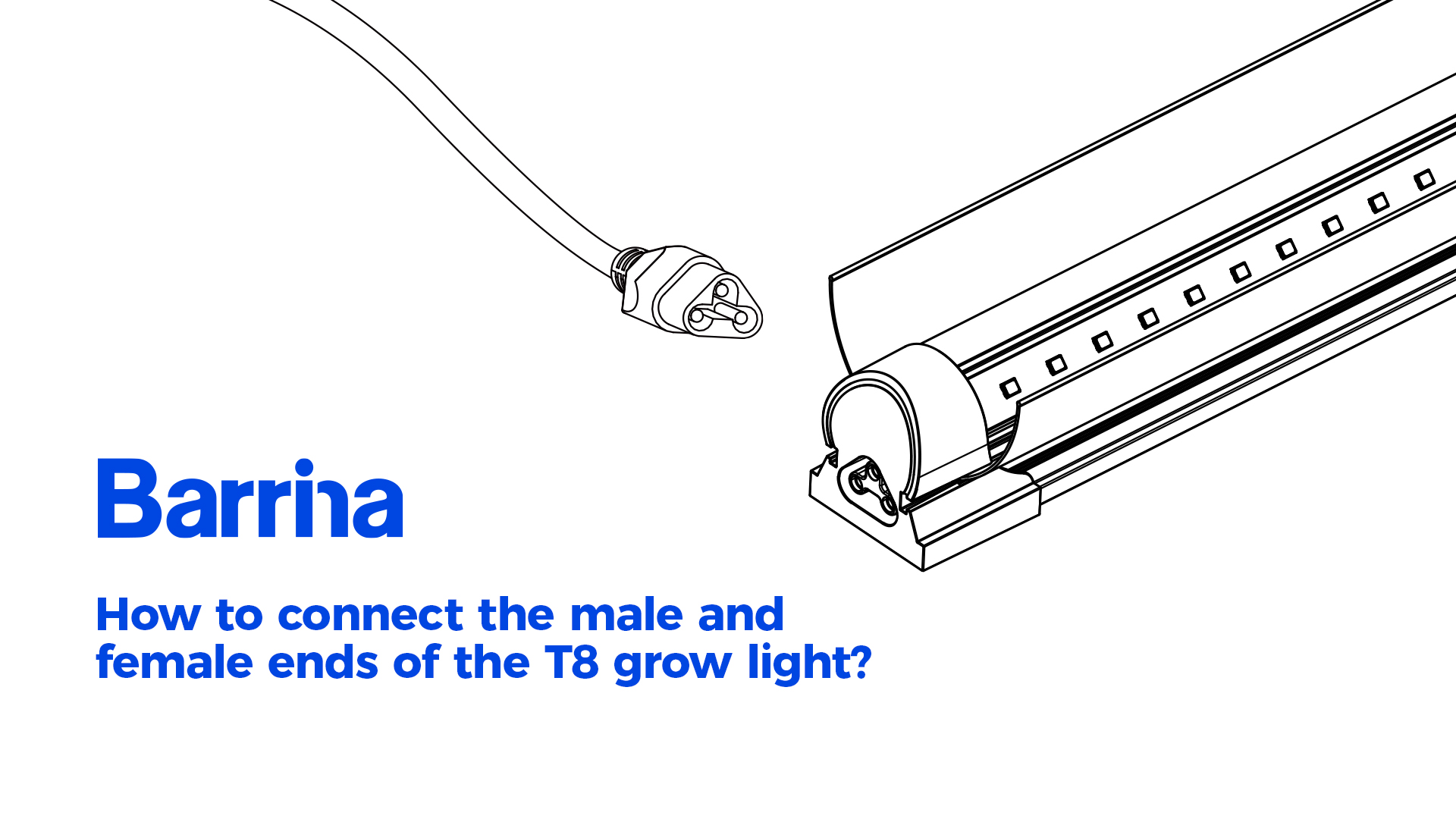
| Linking | Up to 6 strips in a series | Up to 8 units from one cord |
| Length | 4 ft strips | 49.5 in fixture with reflector |
All figures come from the listings. Lumens measure brightness to the human eye, not light that plants use, so the lumen row should not decide the purchase.
Where They Differ
Distance from plants
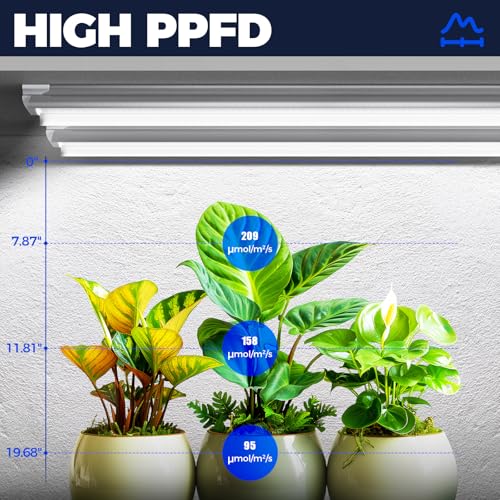
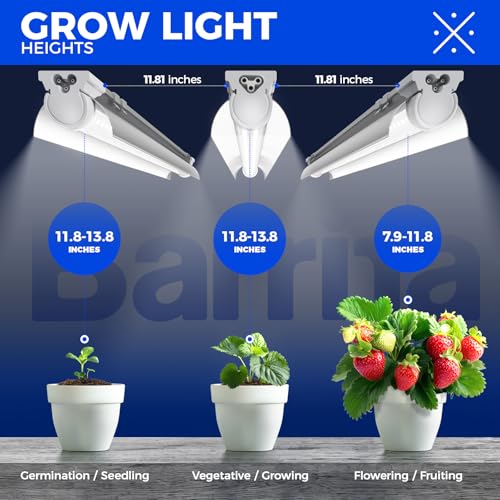
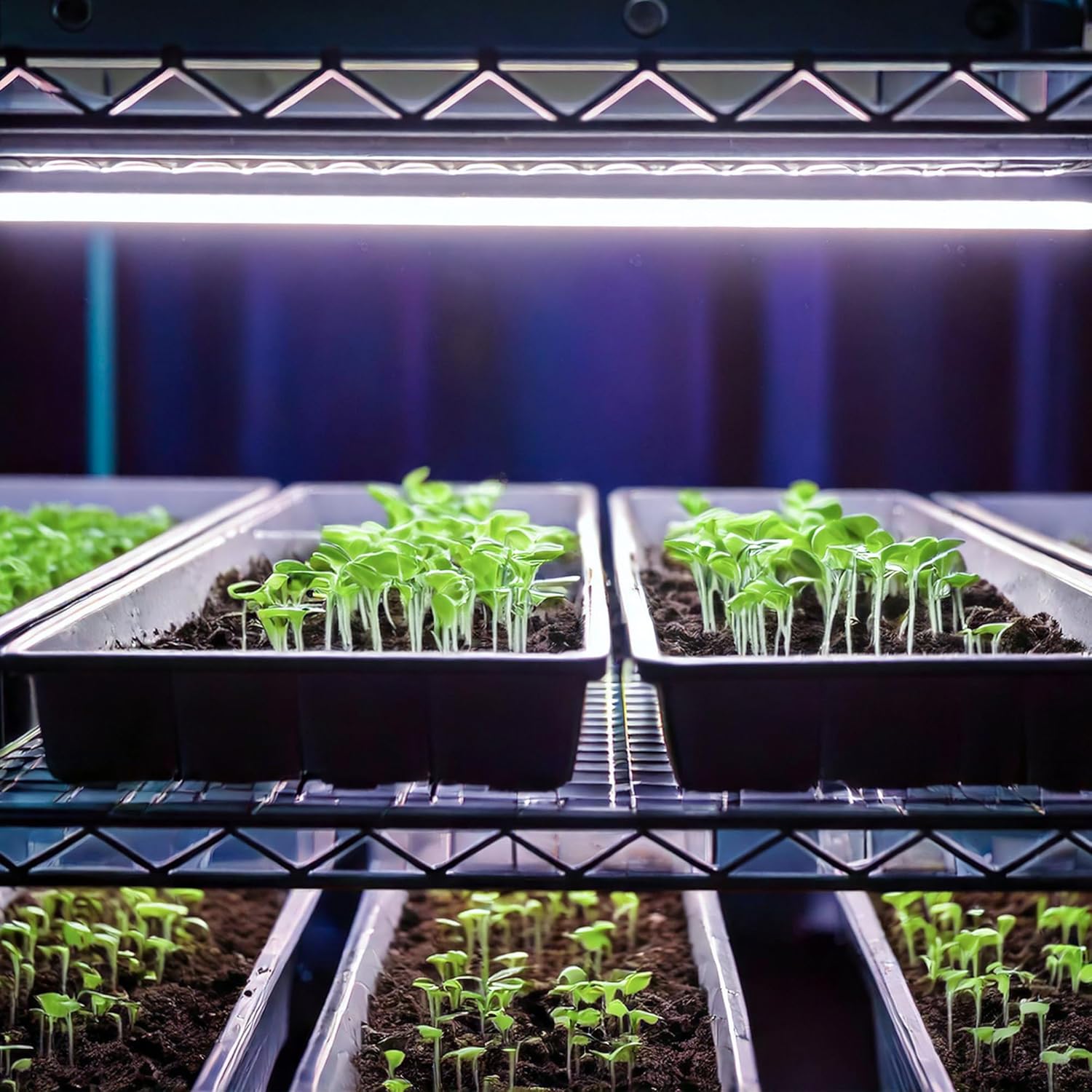
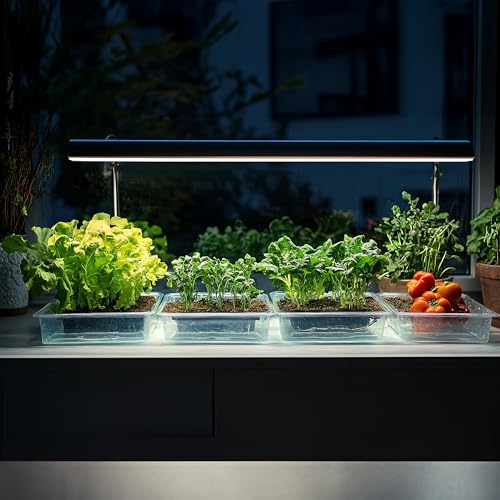
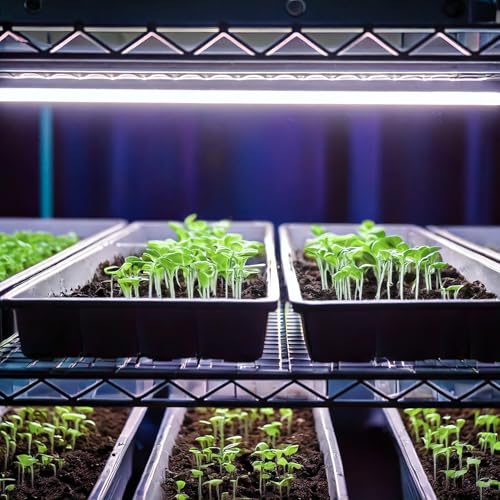
Iowa State Extension says most fluorescent fixtures should sit 4 to 6 in from seedlings, while LED fixtures can often go about 8 to 12 in away. The University of Maryland gives 2 to 6 in for both types, so check the maker’s mounting height too. A 6 to 8 in height is what the SunBlaster listing states. The longer LED distance means more headroom on a shelf and fewer height changes. See how far grow lights should be from seedlings.
Electricity
Formula: watts / 1,000 x hours x rate. On a 16 hour day, one year is 5,840 hours. The fluorescent fixture uses 0.054 x 5,840 = 315 kWh; the LED strip uses 0.042 x 5,840 = 245 kWh. The gap of 70 kWh at the EIA August 2026 U.S. residential average of 18.16 cents per kWh is about 13 dollars a year per fixture. Stack three on a rack and it approaches 40 dollars a year. Light output per watt may differ from these figures, so treat this as a power comparison, not a growth comparison.
Lifespan and replacements
The SunBlaster listing rates its lamp for 10,000 hours. At 16 hours a day that is 10,000 / 5,840, or about 1.7 years before the lamp is due for replacement. The Barrina listing gives no hour rating, and its warranty text conflicts across the listing, so ask the seller before relying on it. T5 tubes and their replacement cost are an ongoing line item that a sealed LED strip does not have.
Cords and daisy chains
Six 42 W strips draw 252 W, or 252 / 120 V = 2.1 A. Eight 54 W fluorescent units draw 432 W, or 3.6 A. Both are small, but CPSC advises using extension cords only when absolutely necessary, never exceeding the cord’s wattage rating, and using a cord marked #16 or a lower AWG number. Plug the first unit into a wall outlet or a rated timer, and read the manual for each product’s limit.
Choose LED If
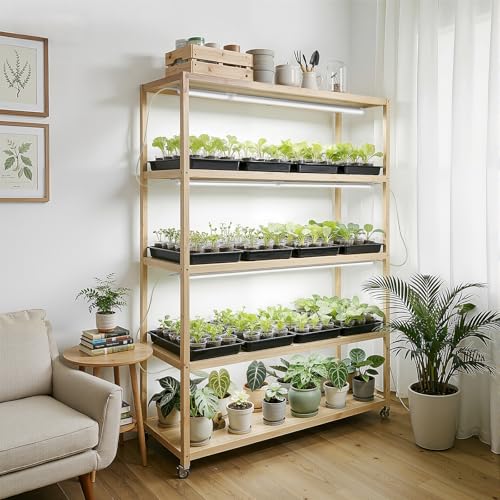
- You are buying new and want to link several fixtures across a shelf.
- You run lights 14 to 16 hours a day, where the power gap adds up.
- You want height flexibility without keeping lights 4 to 6 in away.
Choose Fluorescent If
- You already own a T5 fixture and tubes, so switching has no upfront gain.
- You want a reflector fixture that lists its mounting height.
- You are growing a single shelf and want a simple one-cord unit.
- Avoid if you need to hang lights higher than 6 to 8 in above plants.
We research and compare; we do not use or review the products ourselves. See How We Choose, then the grow light picks for seed starting.
FAQ
Are LED lights better than fluorescent?
For most new buyers, yes on convenience and listed power draw. Extension sources do not say either type grows seedlings better, so match the distance and hours to the type you buy.
How many hours a day should either run?
Iowa State and the University of Maryland both say 14 to 16 hours a day on a timer. Our hours of light guide covers plant differences.
Can I mix the two on one shelf?
You can, but set heights by type: fluorescent closer, LED farther, using the ranges above. Mixing is easier on separate shelves.
Changelog: November 2026: first published.









