


Pick Anker SOLIX if you want long published cycle ratings, a flat 5-year warranty, and a lighter 1 kWh unit; pick EcoFlow if you want more surge headroom for motors and a lineup that grows into a multi-kilowatt-hour system. Compared by size class, the two brands are close on capacity and rated output, and they split on three things: surge rating, expansion, and warranty terms.
“Anker SOLIX” and “EcoFlow DELTA 3” each cover several models, so this page pairs them by size. At about 1 kWh, the Anker SOLIX C1000 Gen 2 faces the EcoFlow DELTA 3 Classic. At about 2 kWh, the Anker SOLIX C2000 Gen 2 faces the EcoFlow DELTA 3 Max.

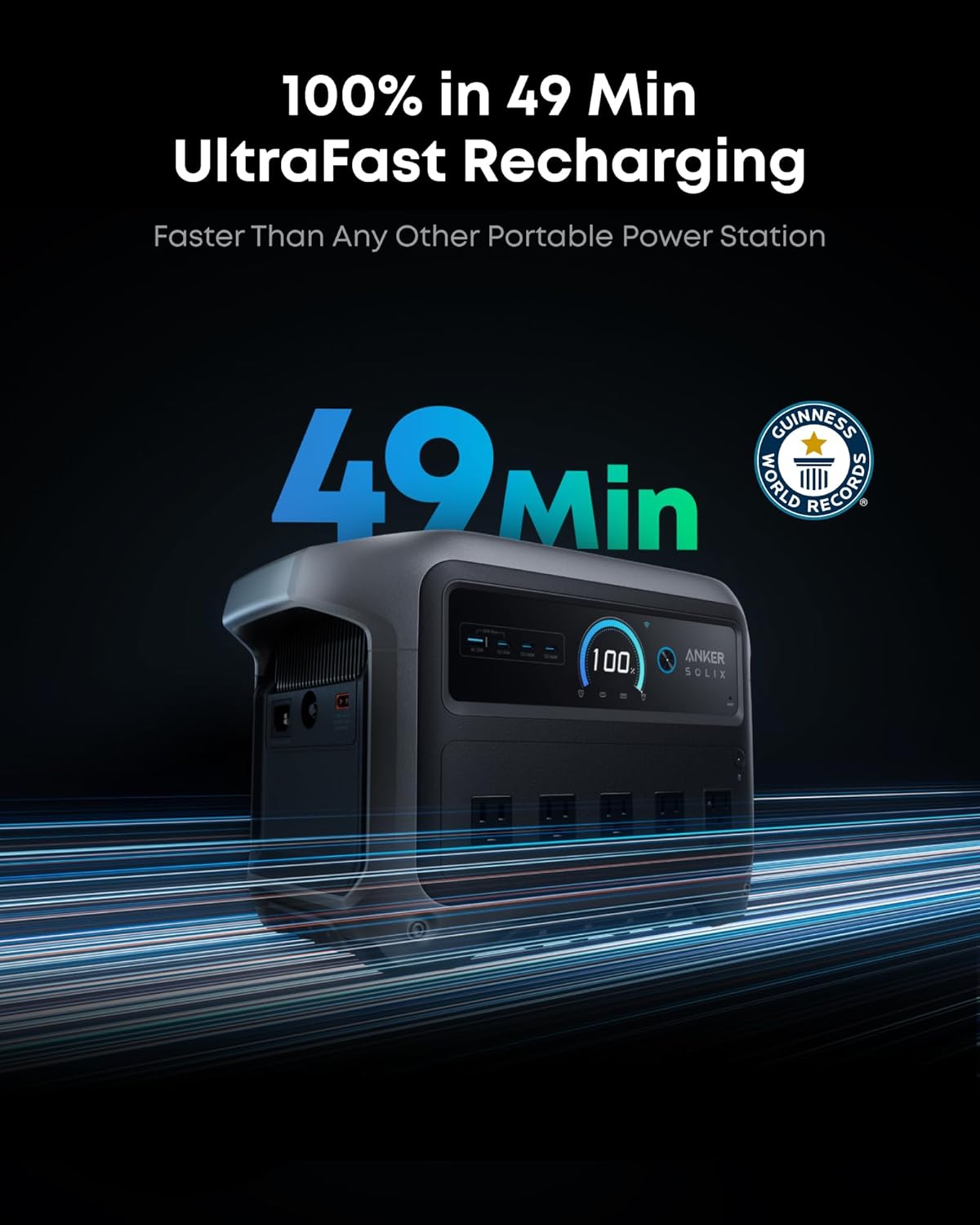
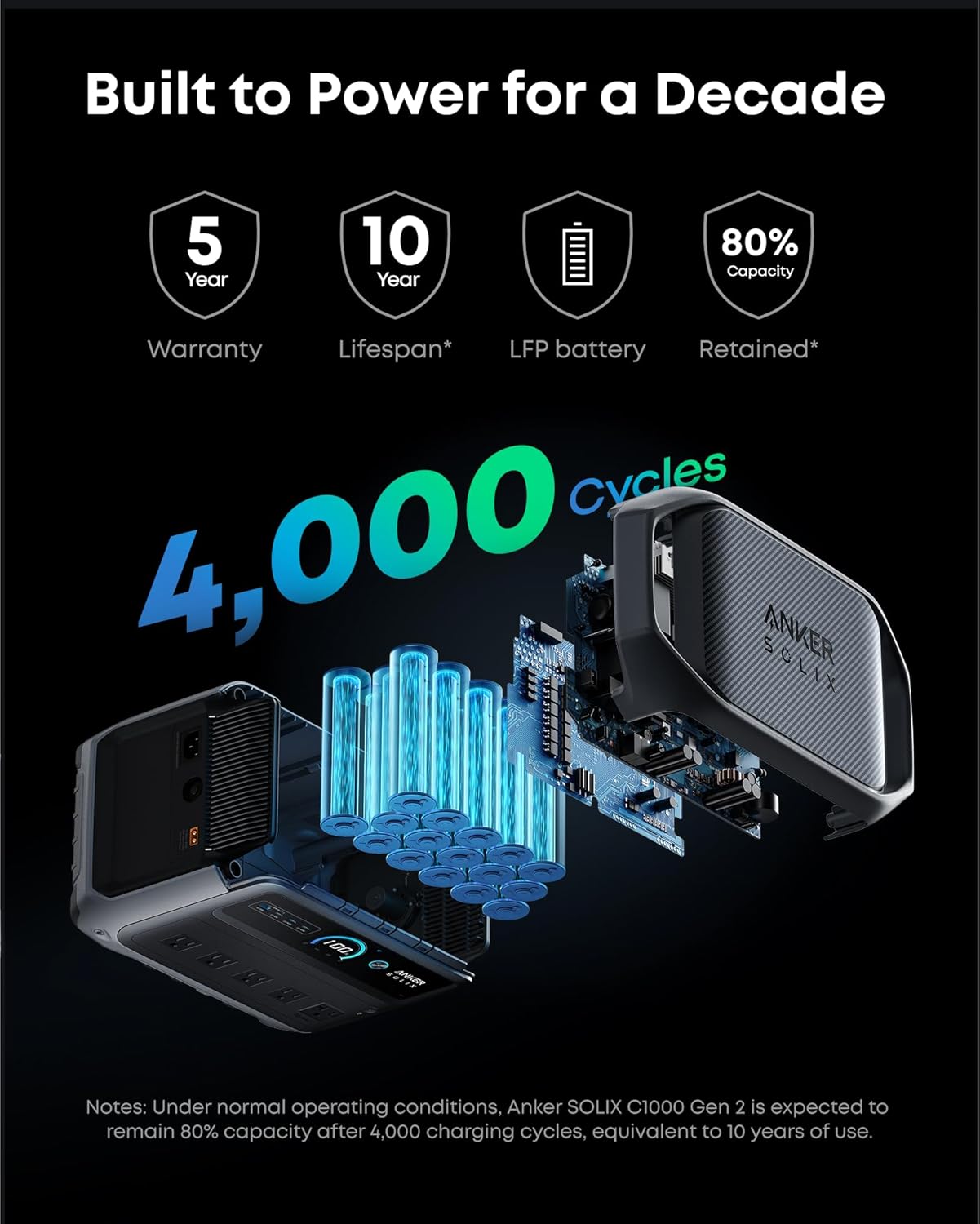
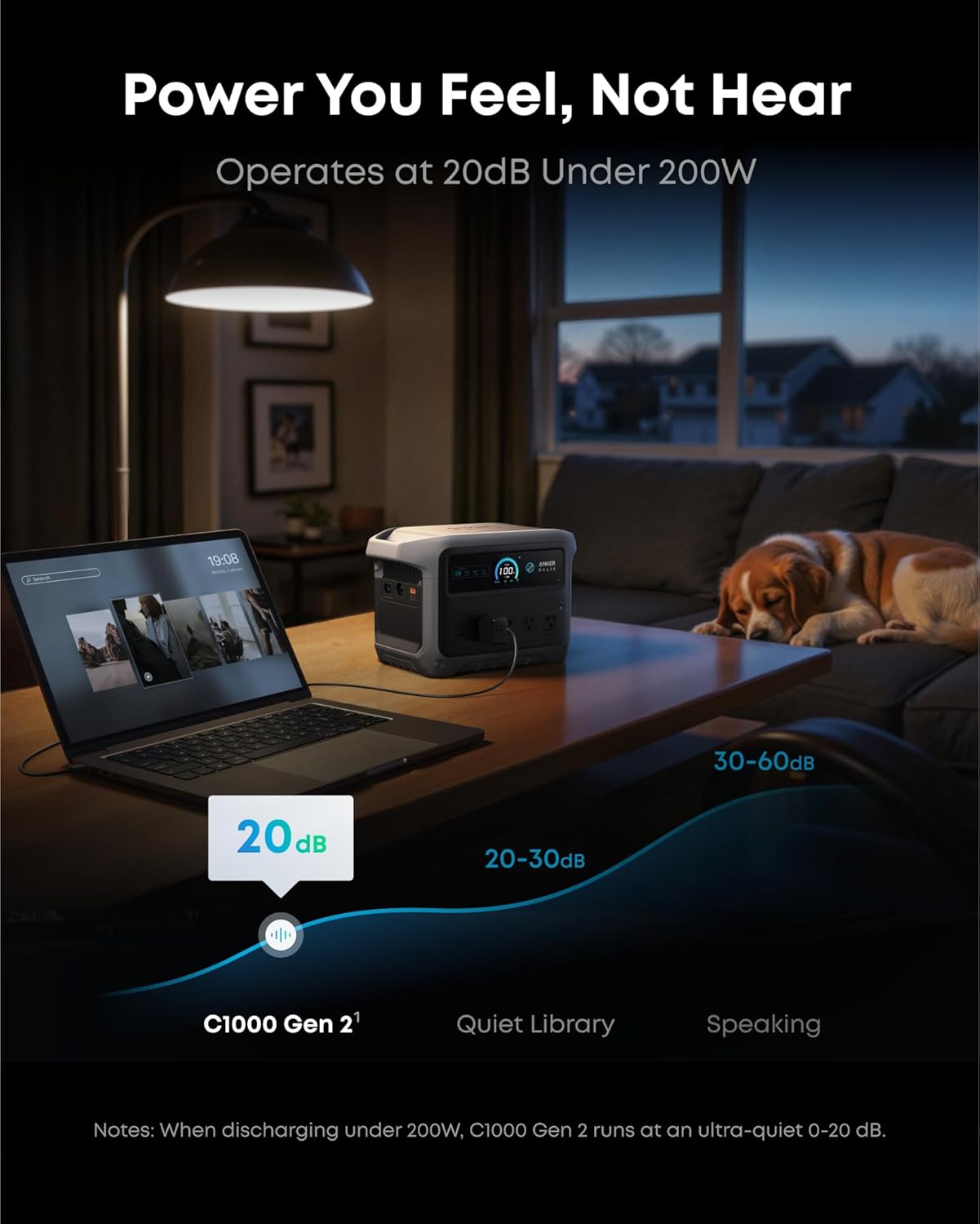
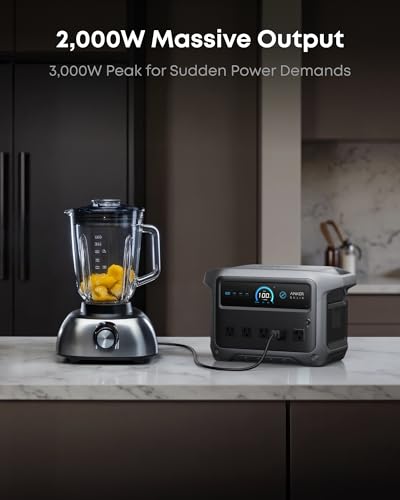
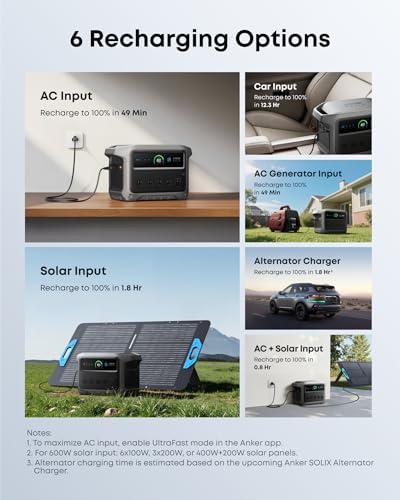
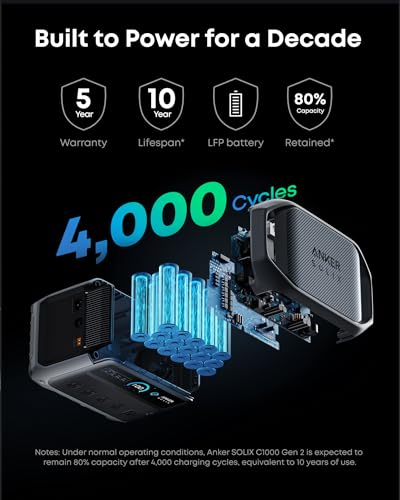
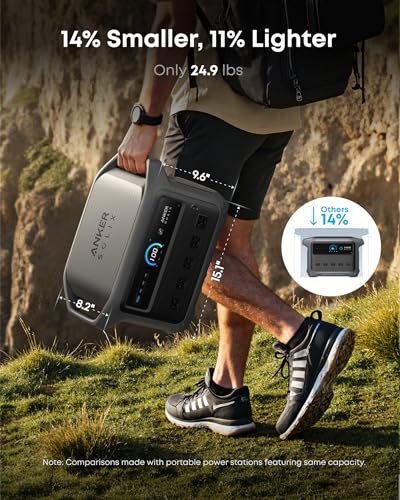
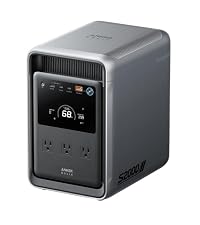
Anker SOLIX C1000 Gen 2 Portable Power Station






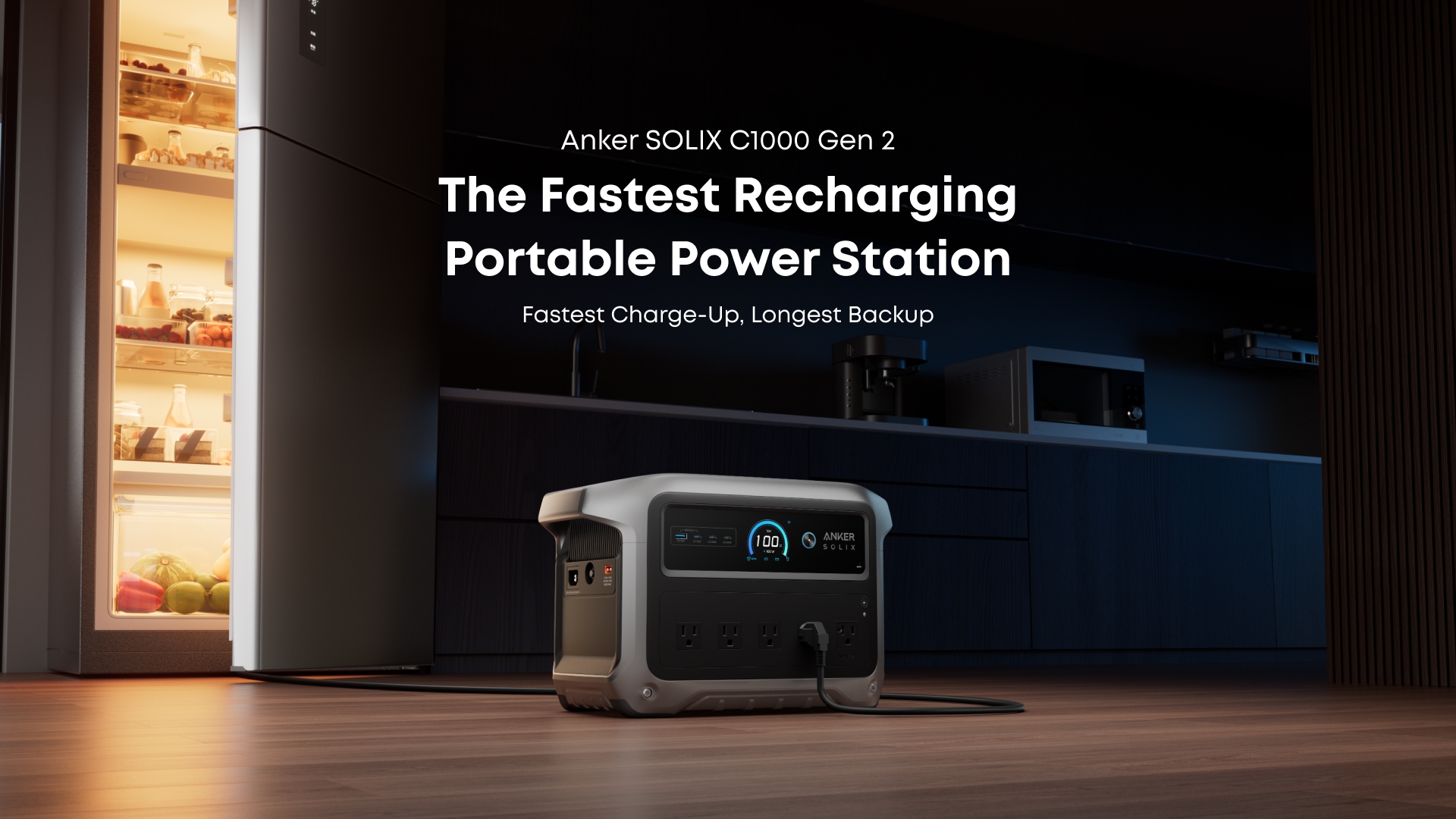
As an Amazon Associate we earn from qualifying purchases. Product prices and availability are accurate as of the date/time indicated.
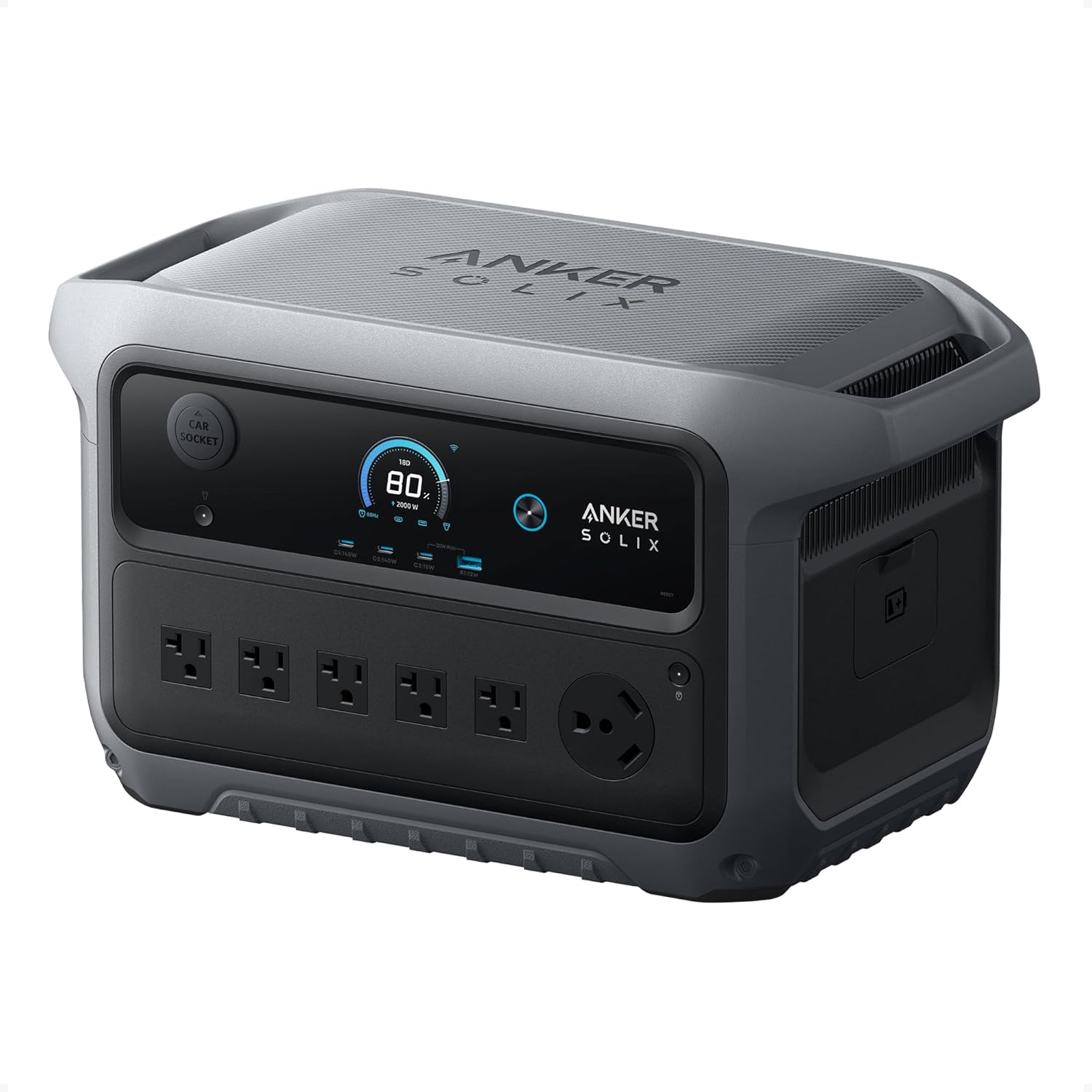
Anker SOLIX C2000 Gen 2 Portable Power Station
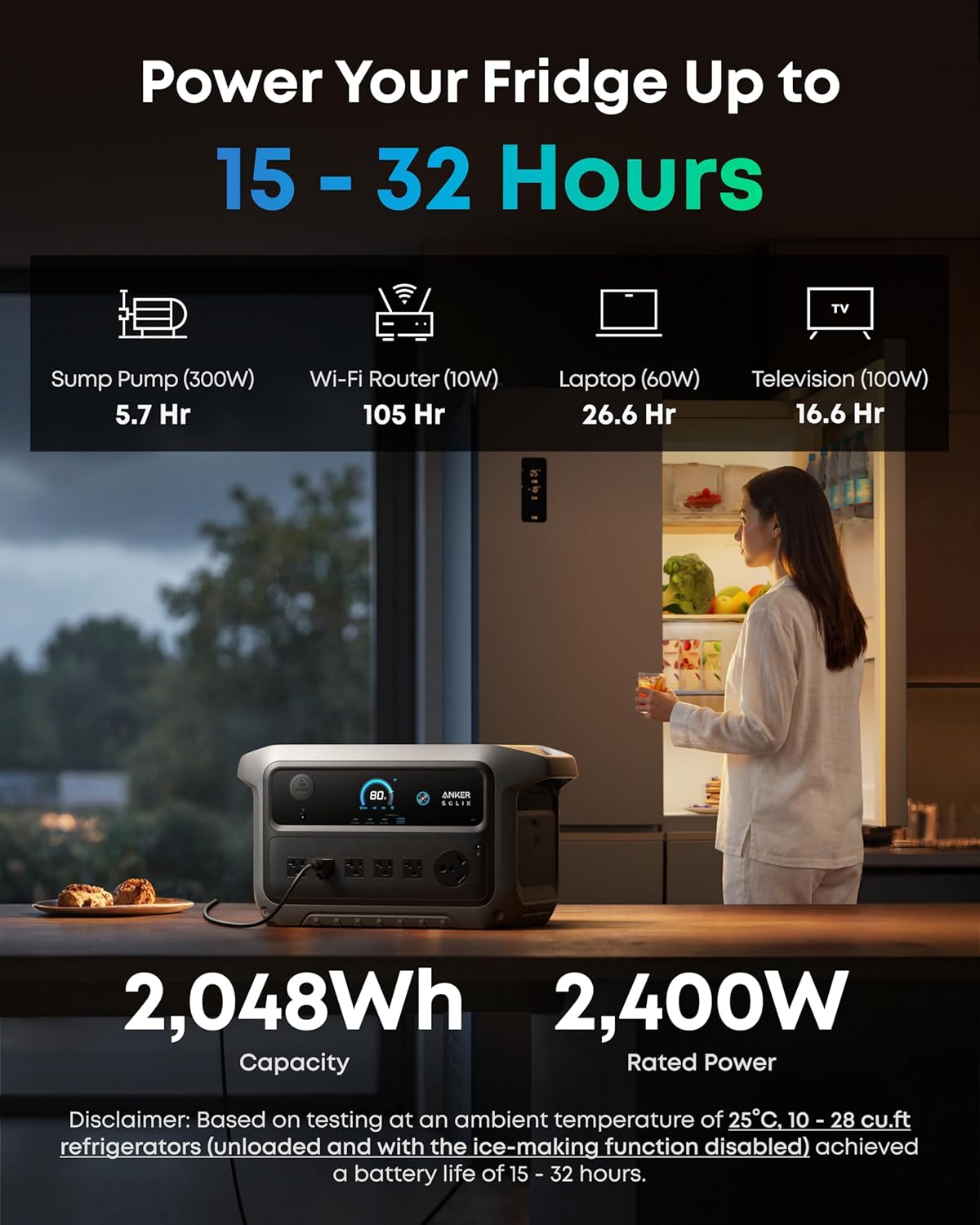





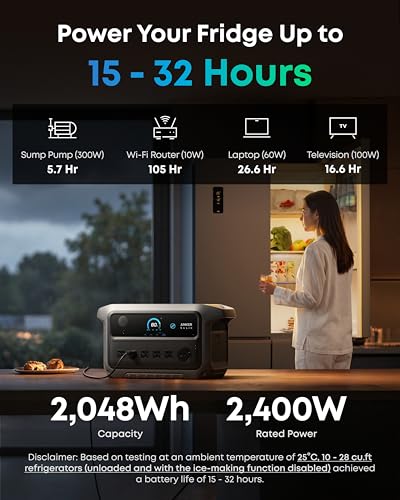
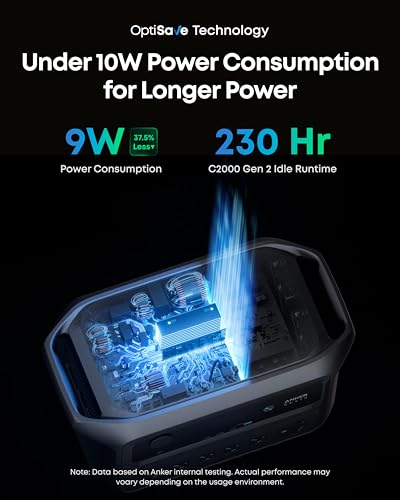
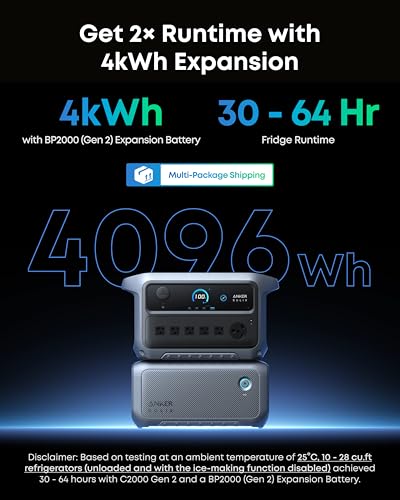
As an Amazon Associate we earn from qualifying purchases. Product prices and availability are accurate as of the date/time indicated.

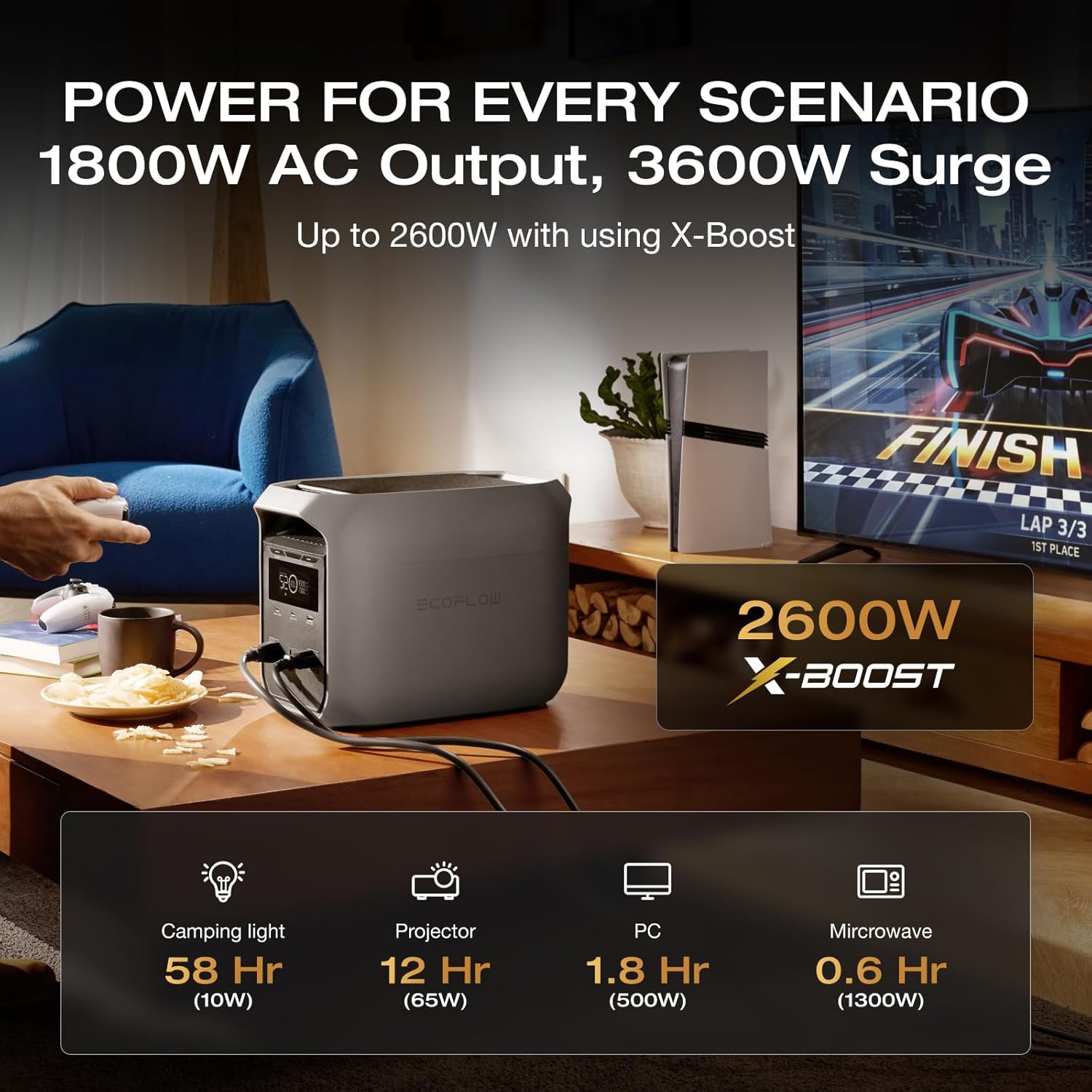
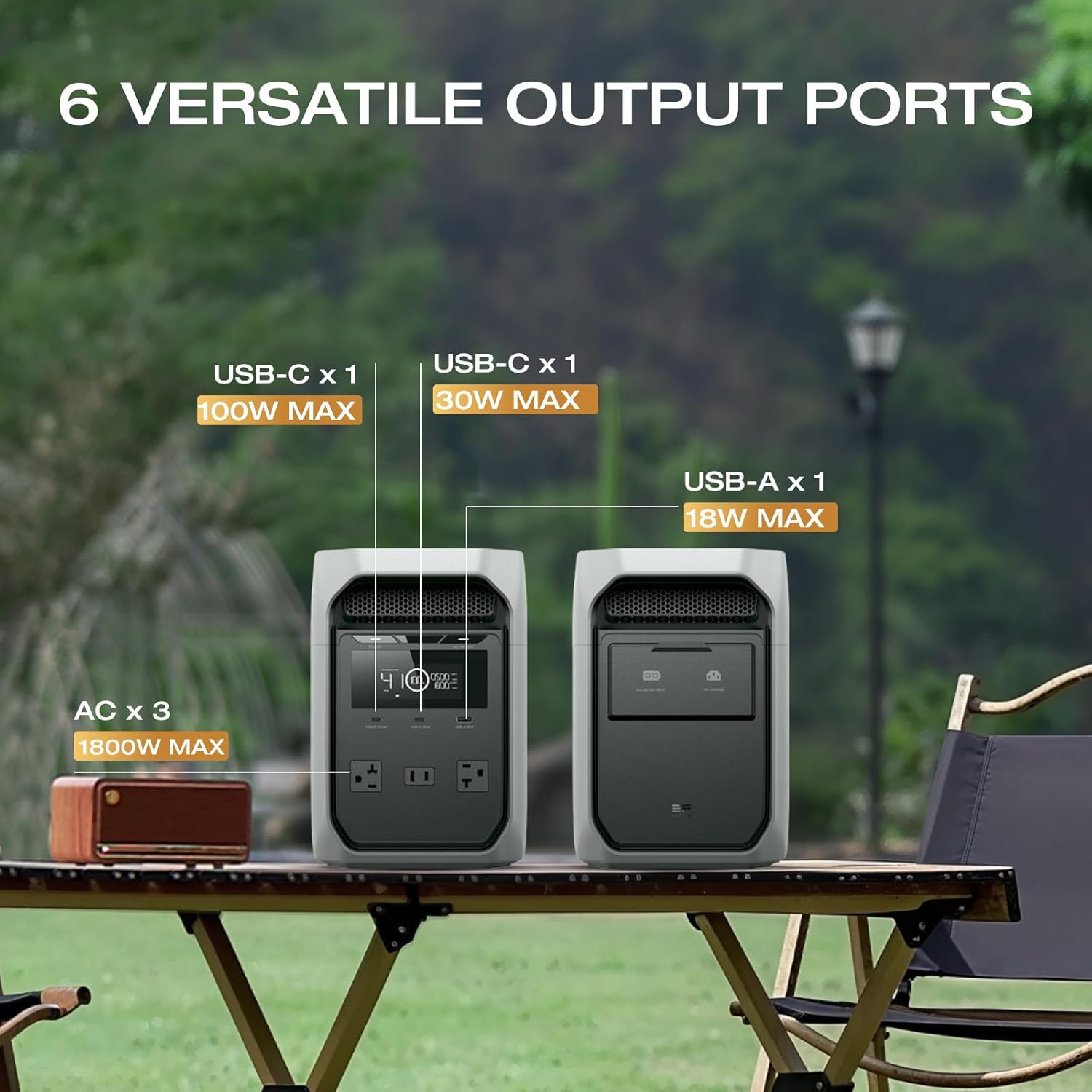
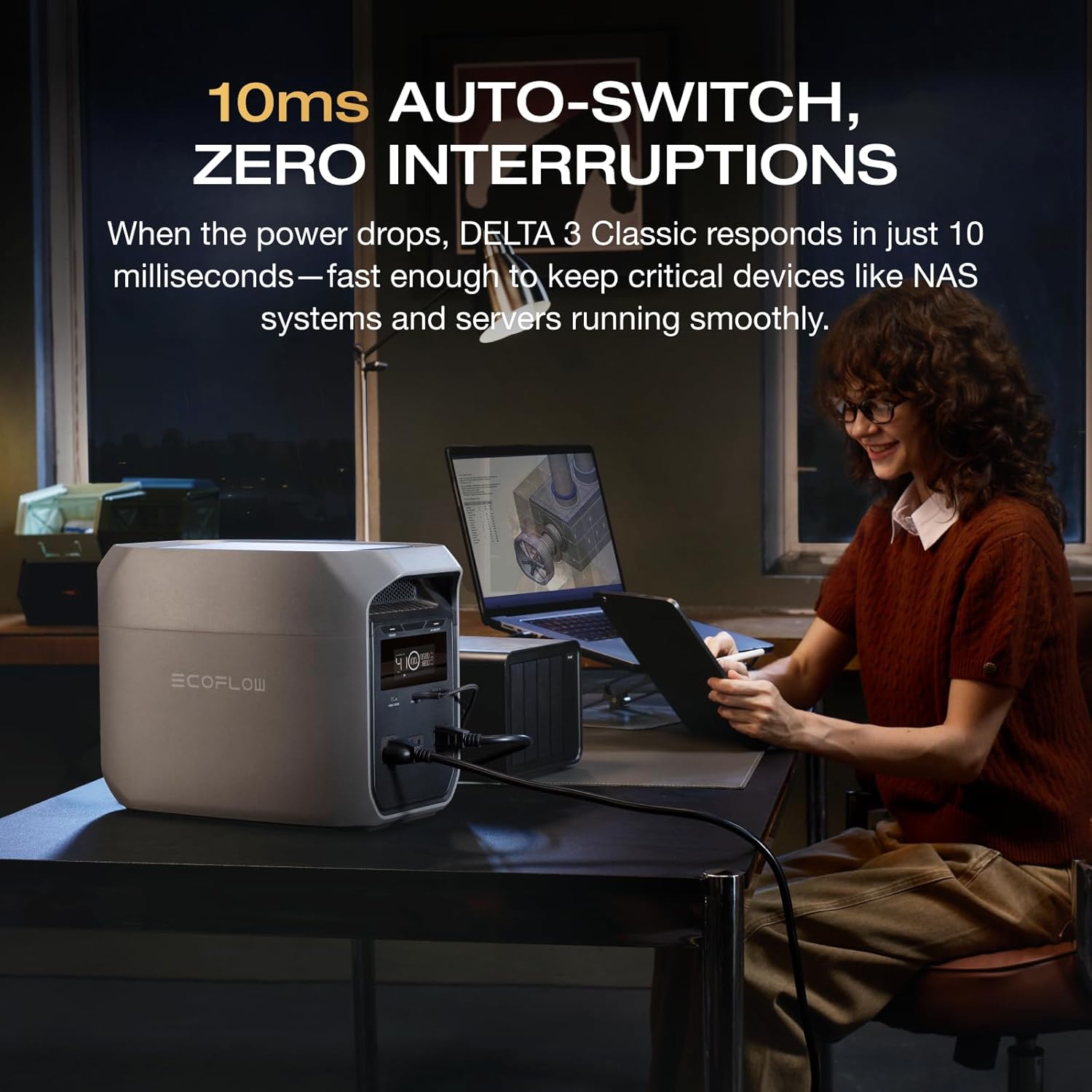
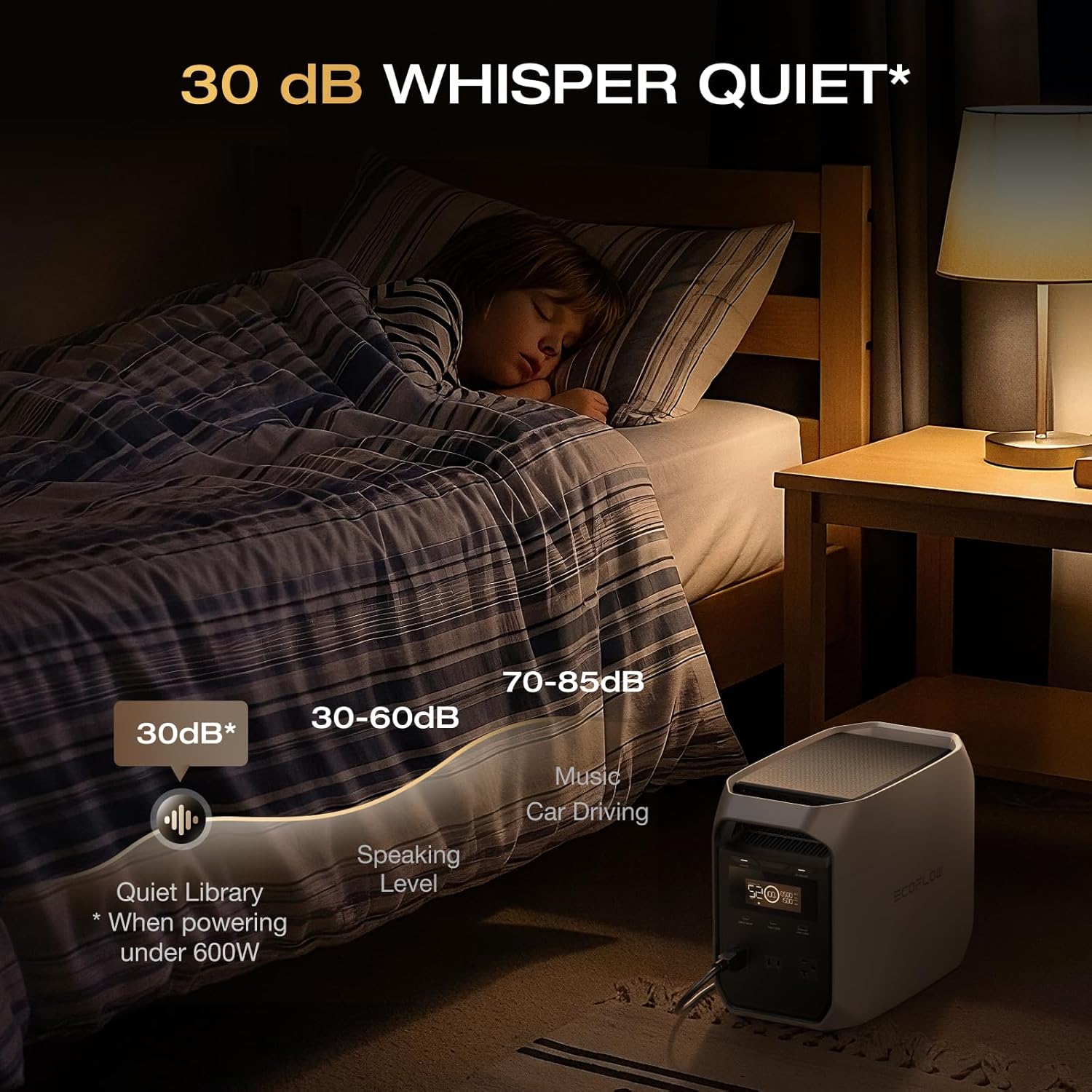
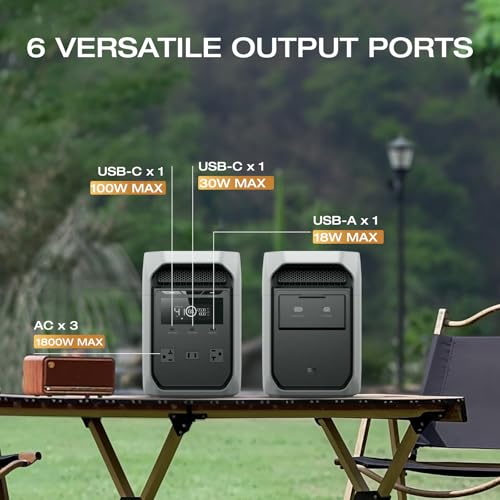
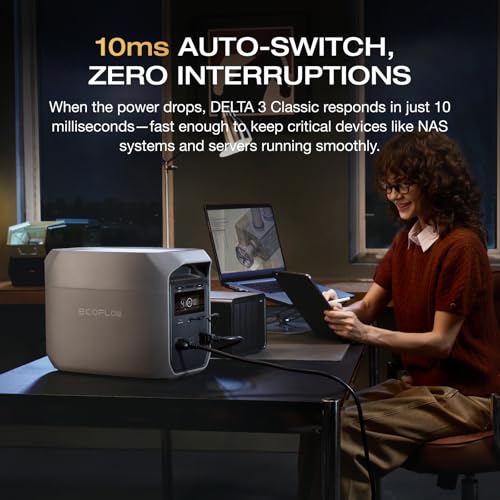
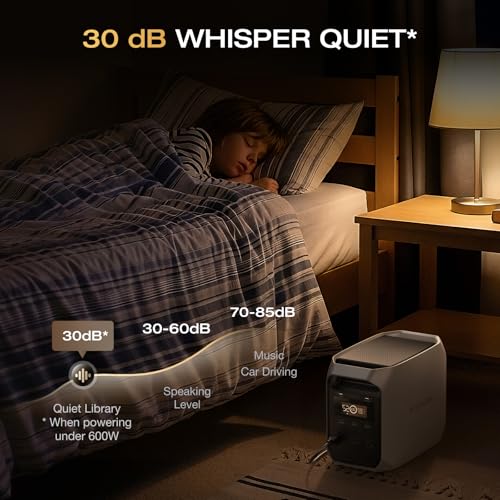
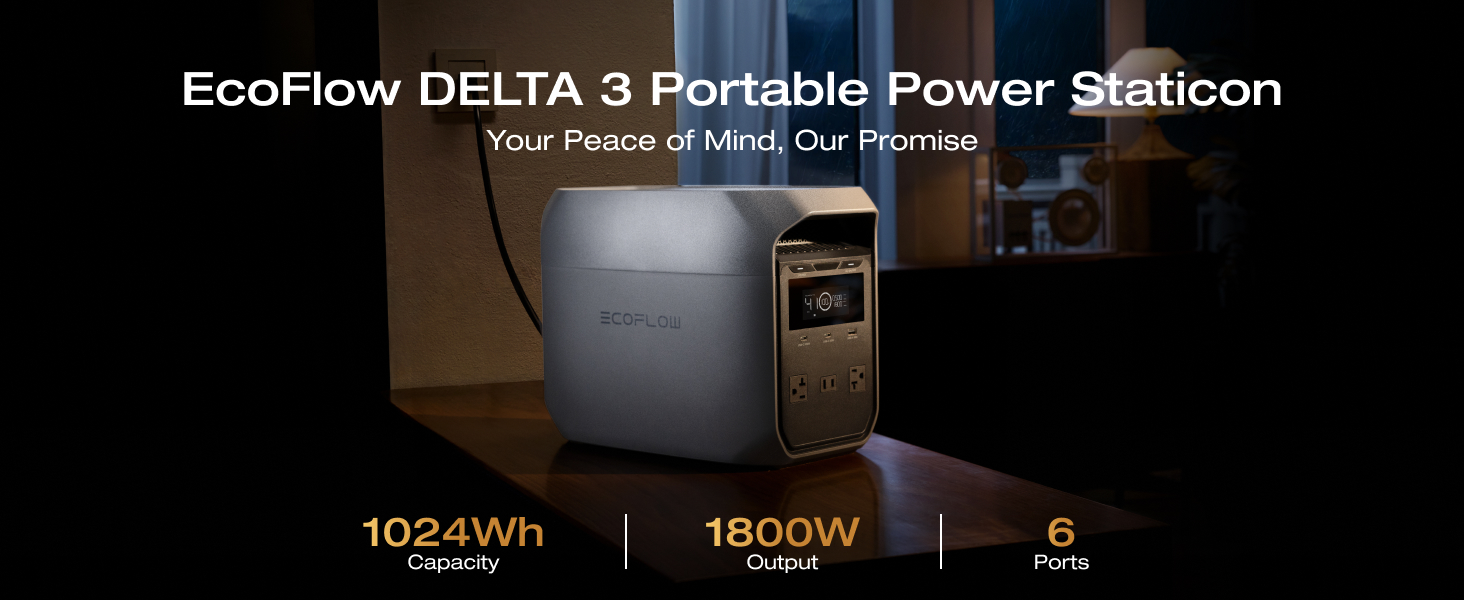
EF ECOFLOW Portable Power Station Delta 3 Classic
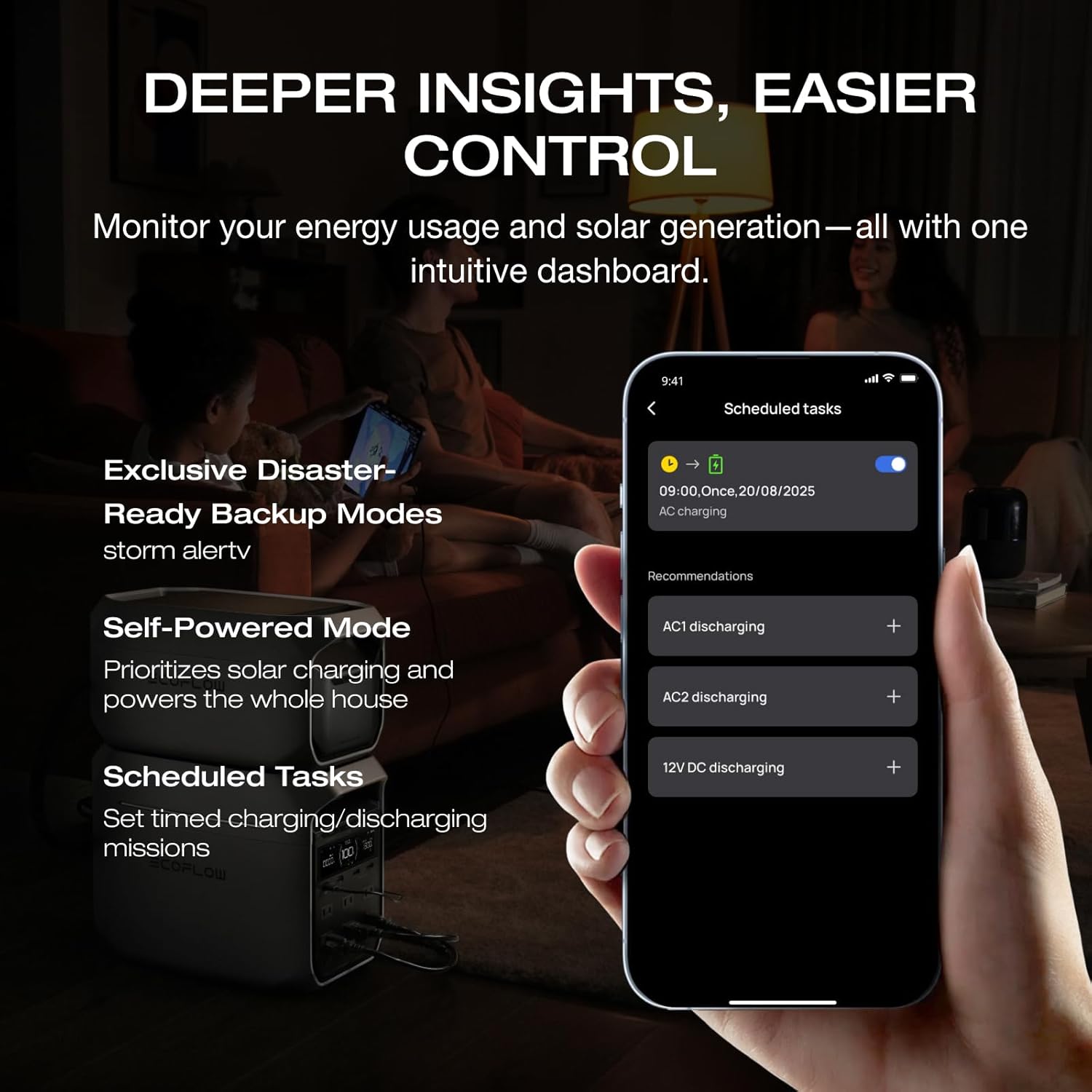
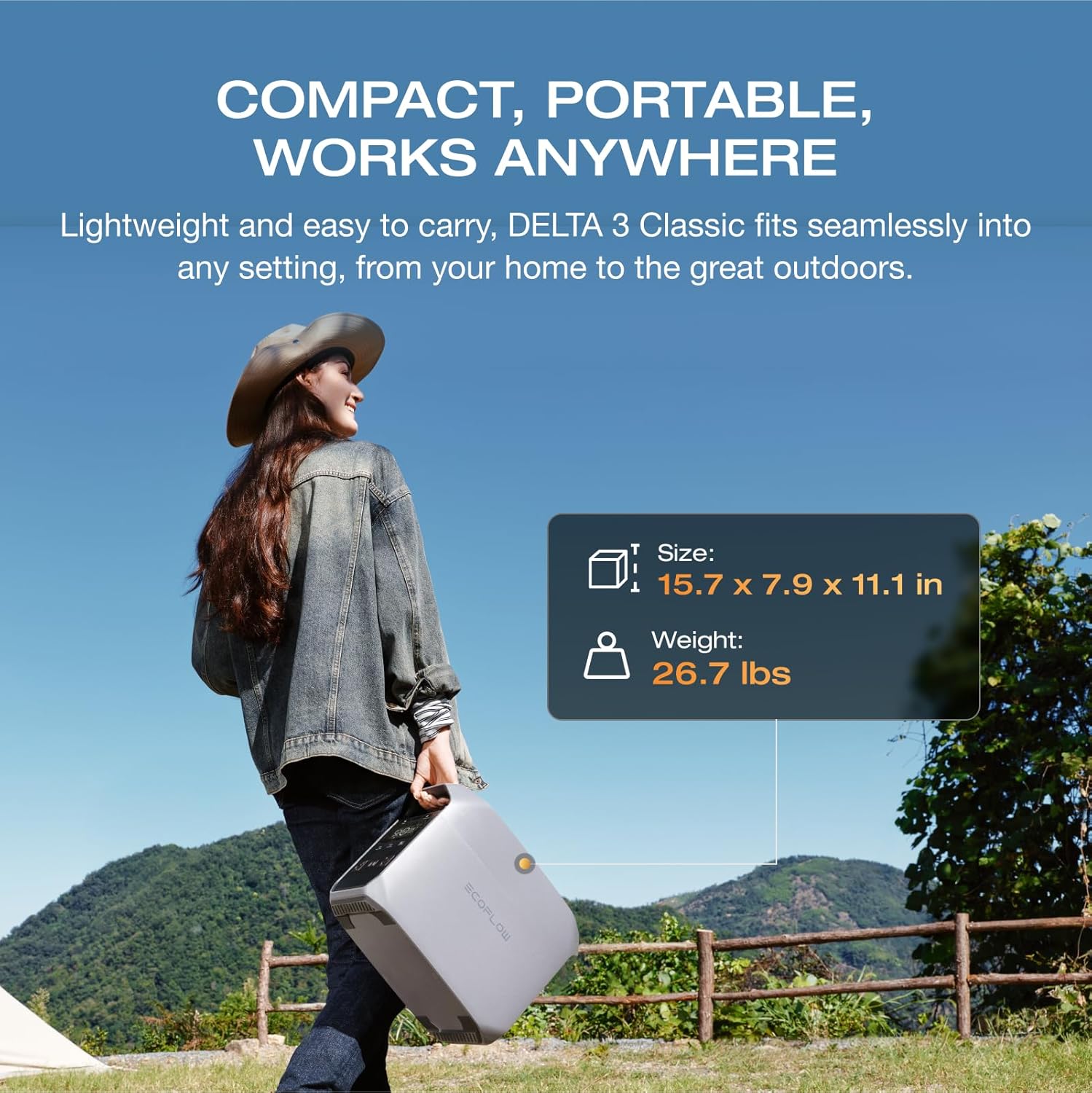


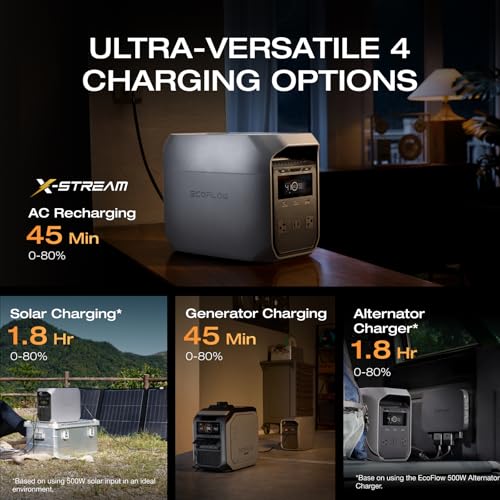
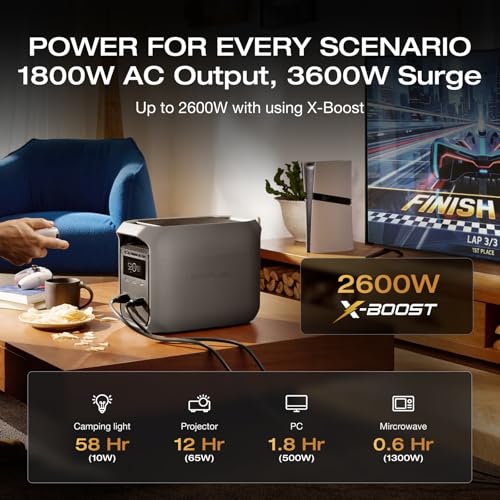
As an Amazon Associate we earn from qualifying purchases. Product prices and availability are accurate as of the date/time indicated.
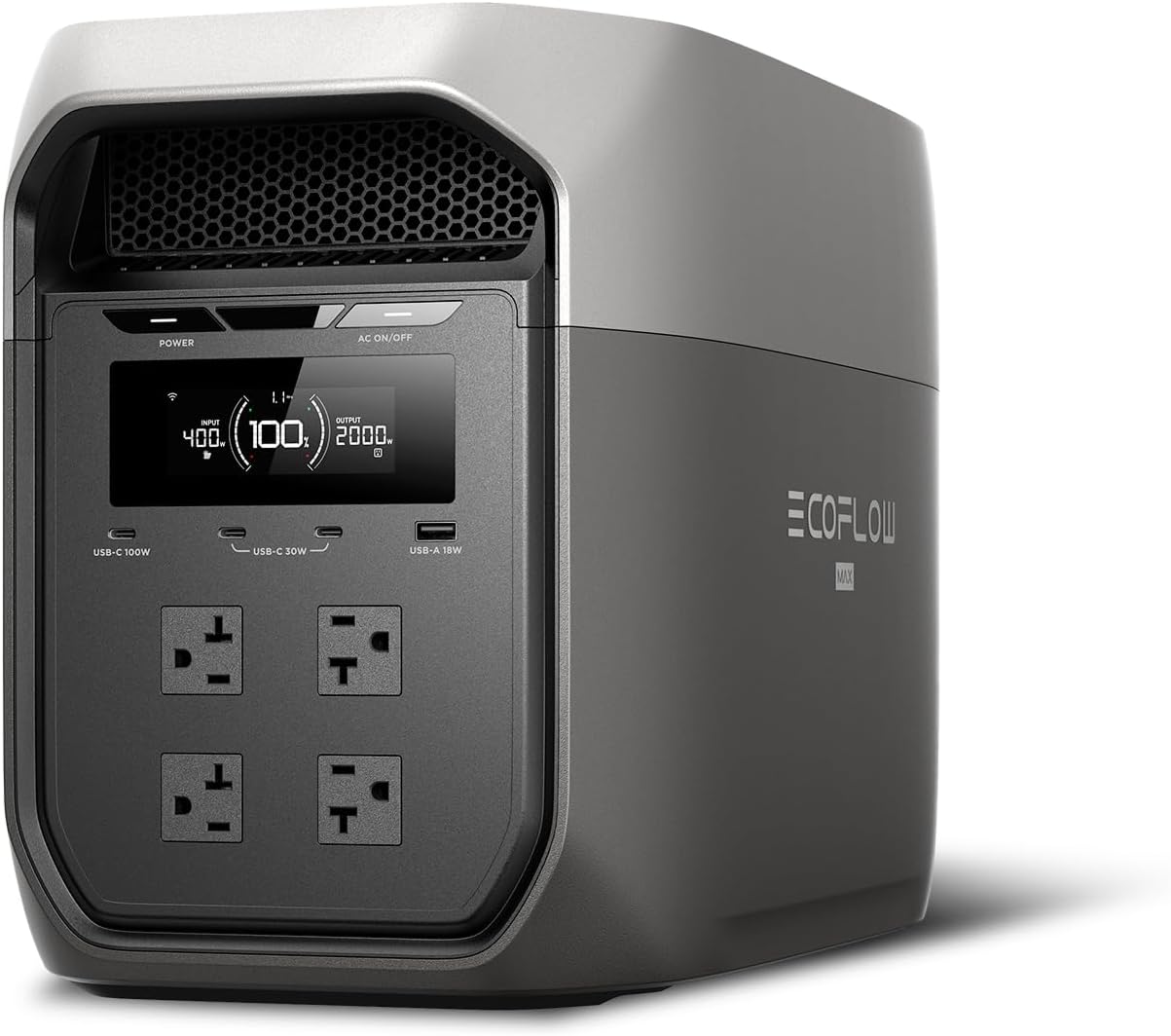
Prime EF ECOFLOW DELTA 3 Max Portable Power Station


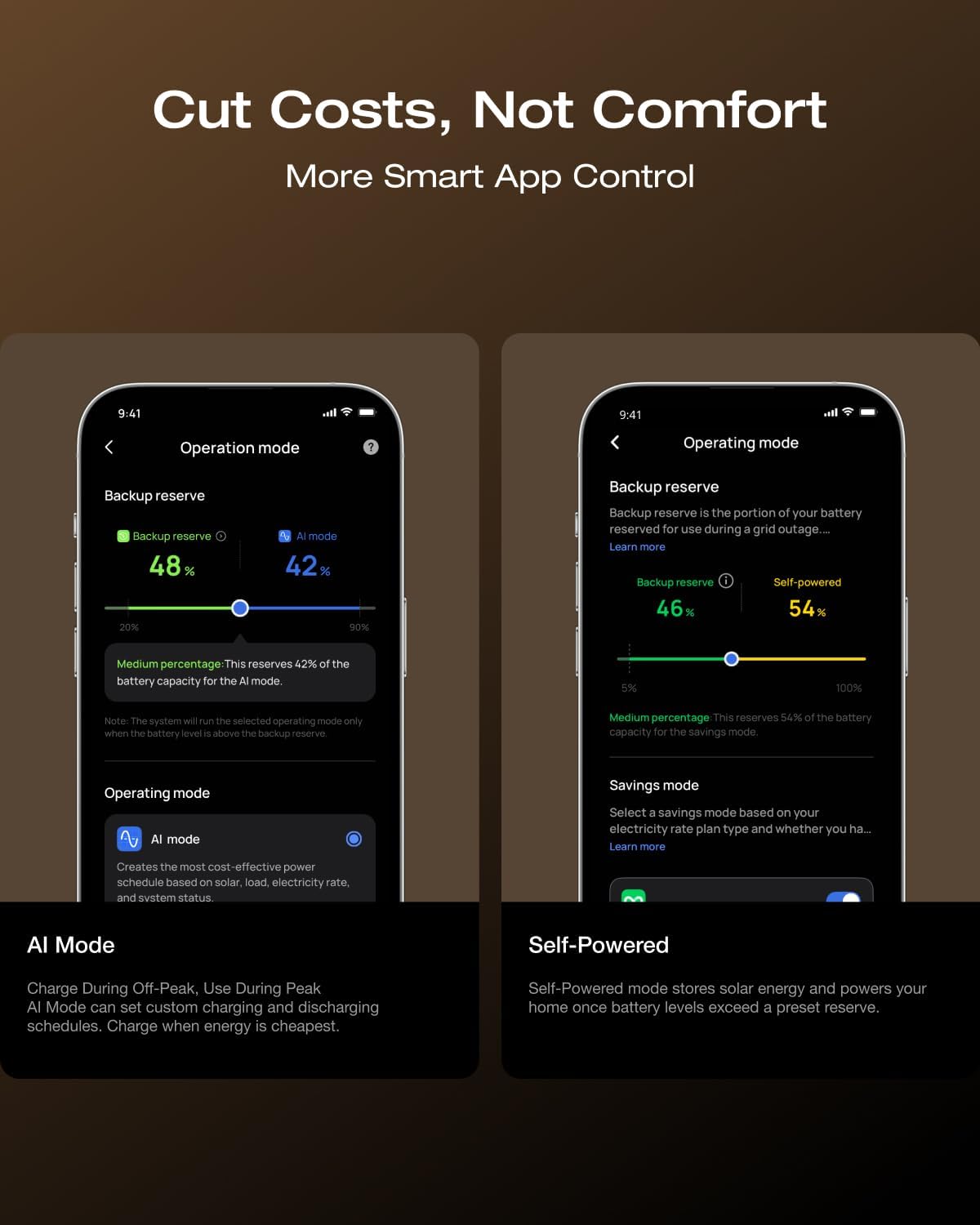


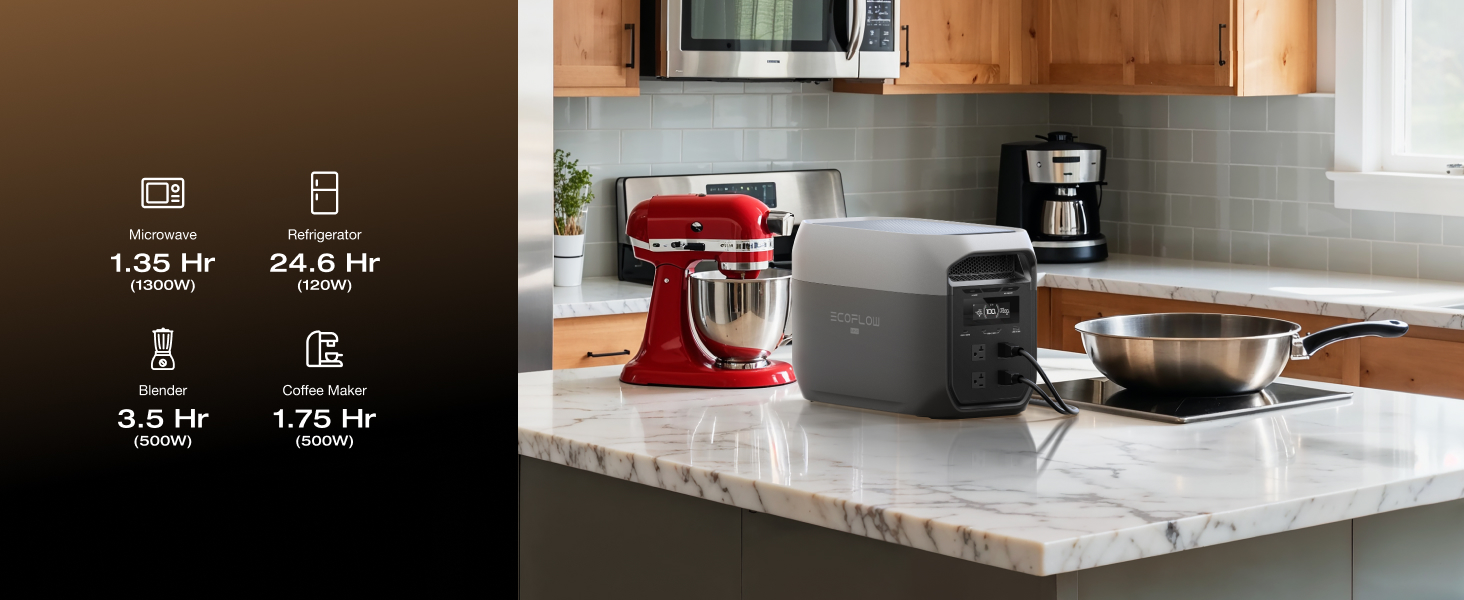

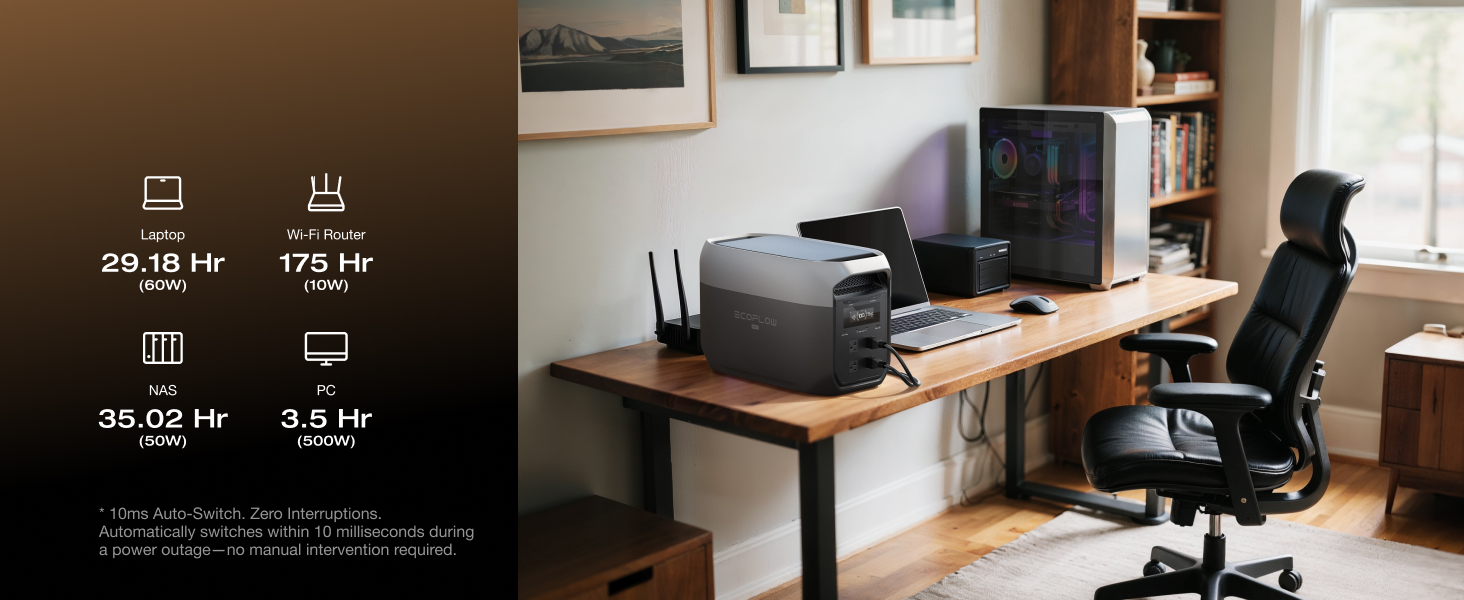





As an Amazon Associate we earn from qualifying purchases. Product prices and availability are accurate as of the date/time indicated.
Specs Side by Side
Figures come from the makers’ US product pages. Watt-hours (Wh) are the size of the tank; watts (W) are how fast you can pour from it. “Not stated” means the US page gives no figure.
| Spec | Anker C1000 Gen 2 | EcoFlow DELTA 3 Classic | Anker C2000 Gen 2 | EcoFlow DELTA 3 Max |
|---|---|---|---|---|
| Capacity | 1,024 Wh | 1,024 Wh | 2,048 Wh | 2,048 Wh |
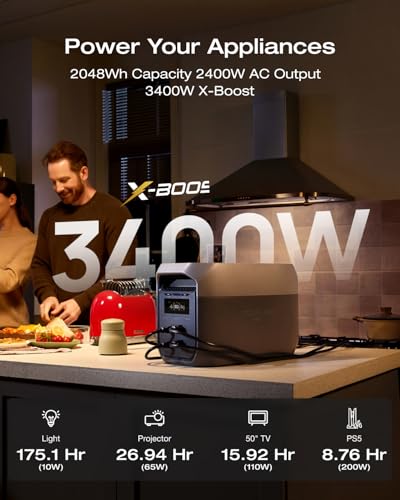
| Continuous / peak | 2,000 W / 3,000 W | 1,800 W / 3,600 W | 2,400 W / 4,000 W | 2,400 W / 4,800 W |
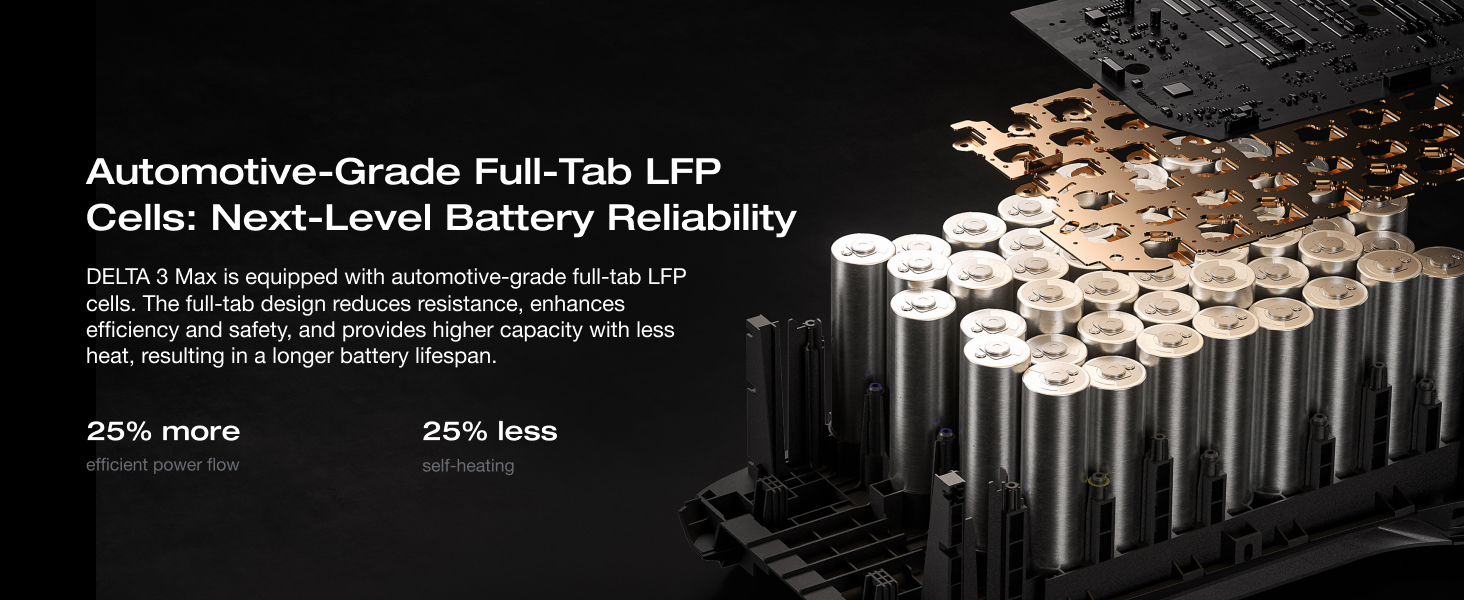
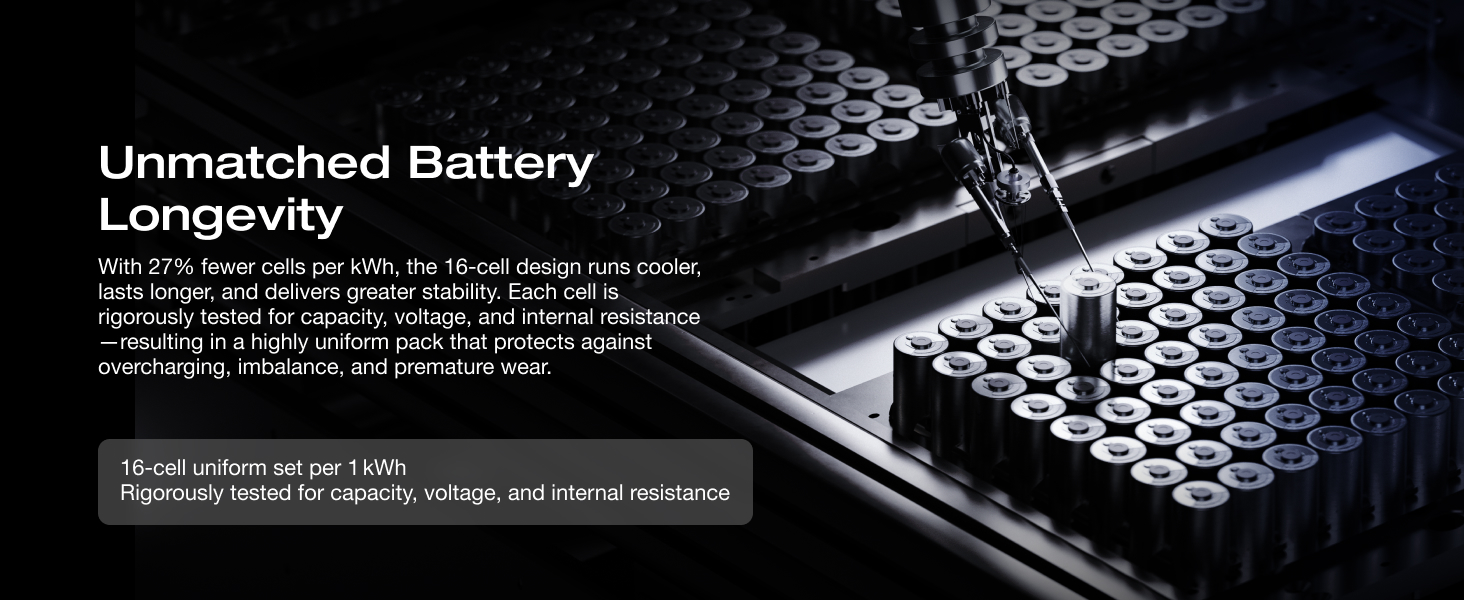
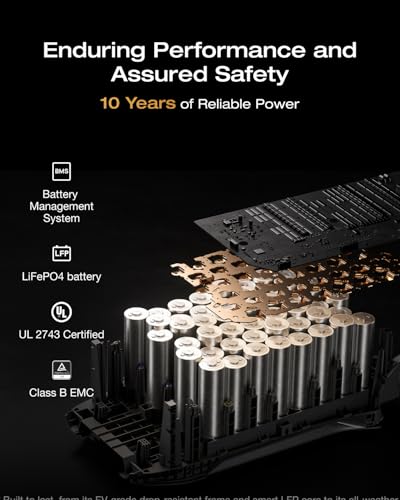
| Chemistry | LiFePO4 | LiFePO4 | LiFePO4 | LFP |
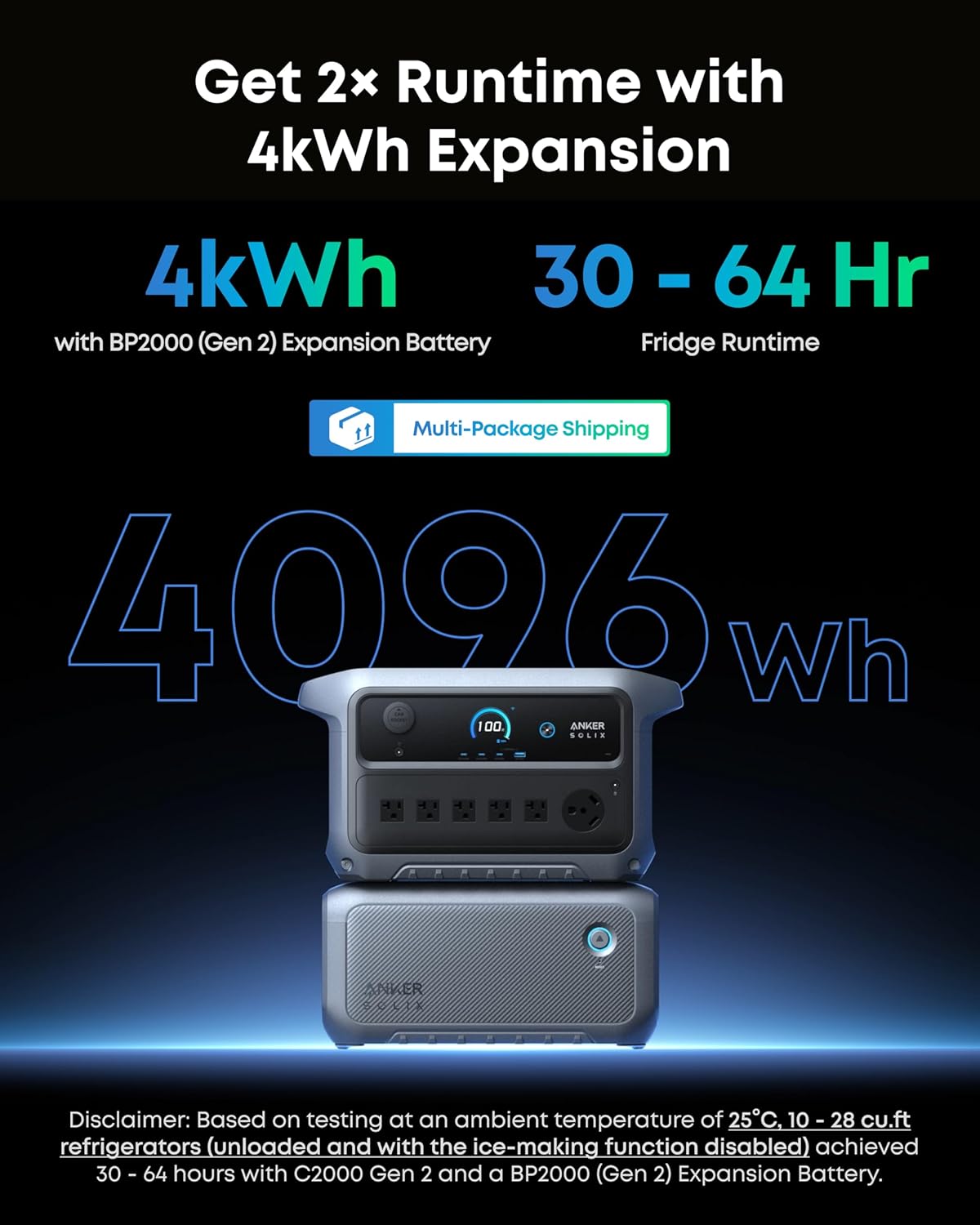
| Expansion | No | No (EcoFlow’s Amazon listing) | Yes, to 4 kWh with BP2000 Gen 2 | No (Max Plus expands) |
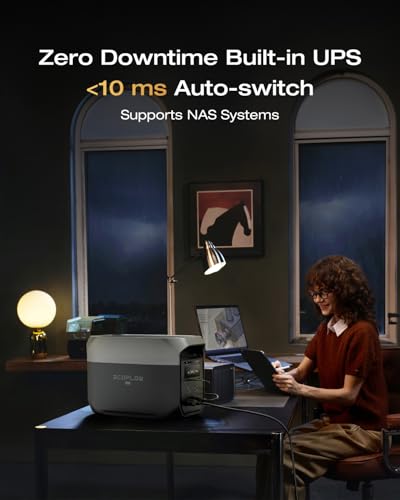
| UPS switchover | 10 ms | 10 ms | 10 ms | 10 ms |
| Rated cycles | 4,000 to 80% | Not stated | 4,000 to 80% | Not stated |
| Weight | 24.9 lb | 26.7 lb | 41.7 lb | About 44.8 lb (20.3 kg) |
| Warranty | 5 years | 3 years, plus 2 with app registration | 5 years | 3 years, plus 2 with app registration |
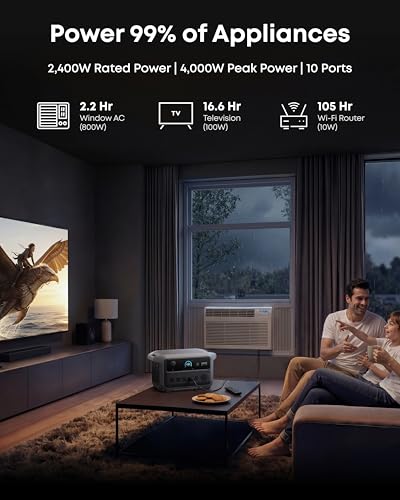
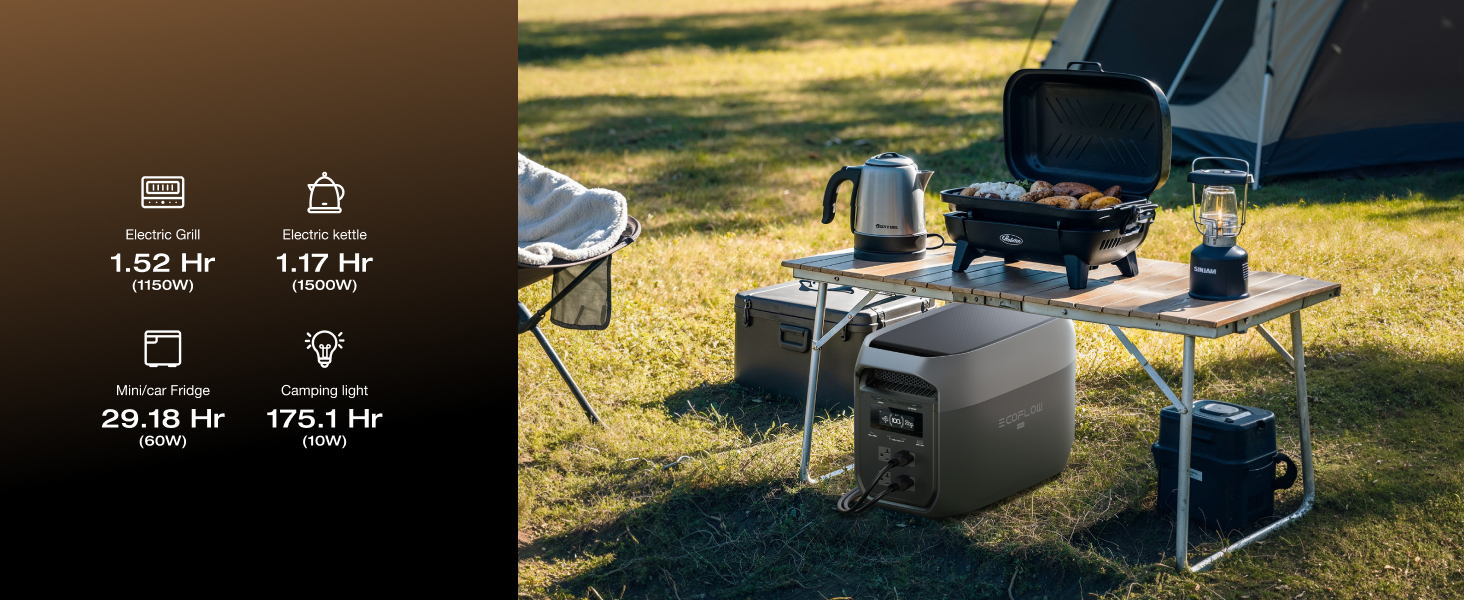
Same capacity means same runtime. A fridge averaging 150 W gets 1,024 Wh x 0.85 inverter efficiency / 150 W = about 5.8 hours at the 1 kWh tier, and 2,048 x 0.85 / 150 = about 11.6 hours at the 2 kWh tier. (0.85 is a common planning figure for conversion loss.) The brands differ in what surrounds that number.
The Four Differences That Matter
1. Surge Rating Against Continuous Rating
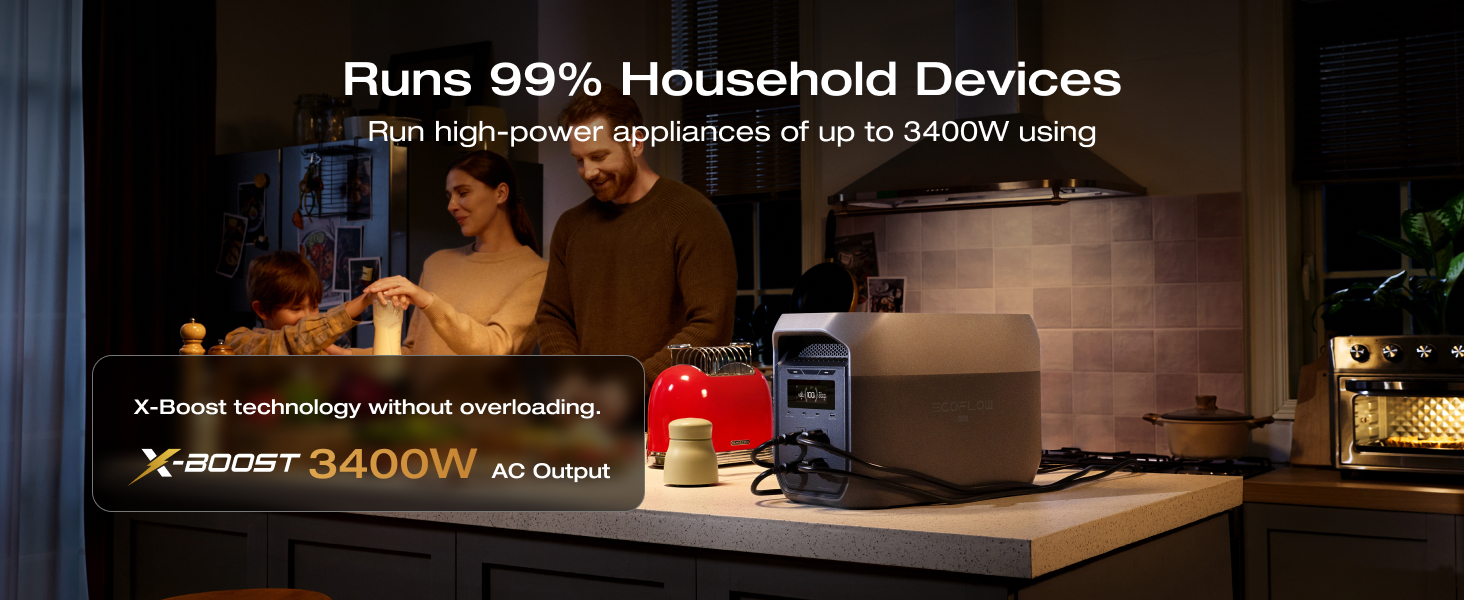
Continuous rating decides whether a load keeps running; surge rating decides whether a motor starts. Anker leads on continuous at the 1 kWh tier (2,000 W against 1,800 W). EcoFlow leads on surge at both tiers: 3,600 W against 3,000 W, and 4,800 W against 4,000 W.
Anker’s own guidance puts a French-door fridge’s startup draw at 900 to 2,000 W. With a 1,500 W microwave already running, the worst case is 1,500 + 2,000 = 3,500 W. That clears the DELTA 3 Classic’s 3,600 W but not the C1000 Gen 2’s 3,000 W. At the 2 kWh tier, both stations clear it, since 3,500 W is under 4,000 W. For the one-to-one 1 kWh matchup, see C1000 against DELTA 3.
2. Expansion Is the Biggest Split
Anker expands at the 2 kWh tier: one BP2000 Gen 2 is 2,048 Wh, so C2000 Gen 2 + BP2000 = 2,048 + 2,048 = 4,096 Wh. At 150 W average, 4,096 x 0.85 / 150 = about 23 hours of fridge. EcoFlow expands through different models. The DELTA 3 Plus is listed at 1 to 5 kWh, and the DELTA 3 Max Plus up to 10 kWh with extra batteries; the Max and the Classic do not expand.
At 10 kWh, 10,000 x 0.85 / 150 = about 57 hours of fridge. That is a multi-day plan the Anker lineup in this size range does not reach. If you are not sure you will ever add a battery, buy the fixed unit. If you might, buy the expandable model on day one, because the fixed units cannot be upgraded later. The expansion battery explainer lists what to check.
3. Warranty and Cycle Ratings
Anker lists 5 years on these models with no registration requirement stated in its warranty policy. EcoFlow lists 3 years on the Classic and Max, plus 2 more when you register in the app; the DELTA 3 Plus is listed at 5 years. Anker publishes 4,000 cycles to 80 percent. EcoFlow’s US pages for the Classic and Max give a 10-year life claim but no cycle number, although its DELTA 3 Plus page lists 4,000 cycles to 80 percent.
At one full cycle a day, 4,000 cycles is 4,000 / 365 = about 11 years. For backup that cycles a few times a year, the calendar ages the battery first, so warranty terms matter more than cycle counts.
4. Solar Input and Charging
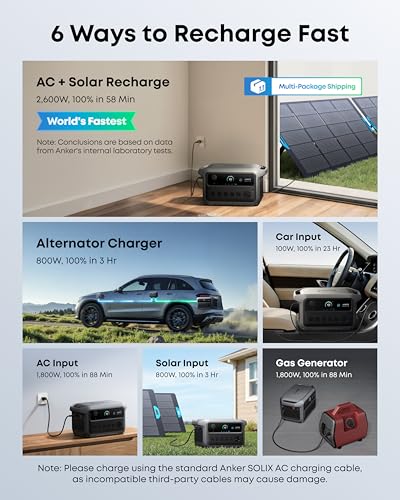
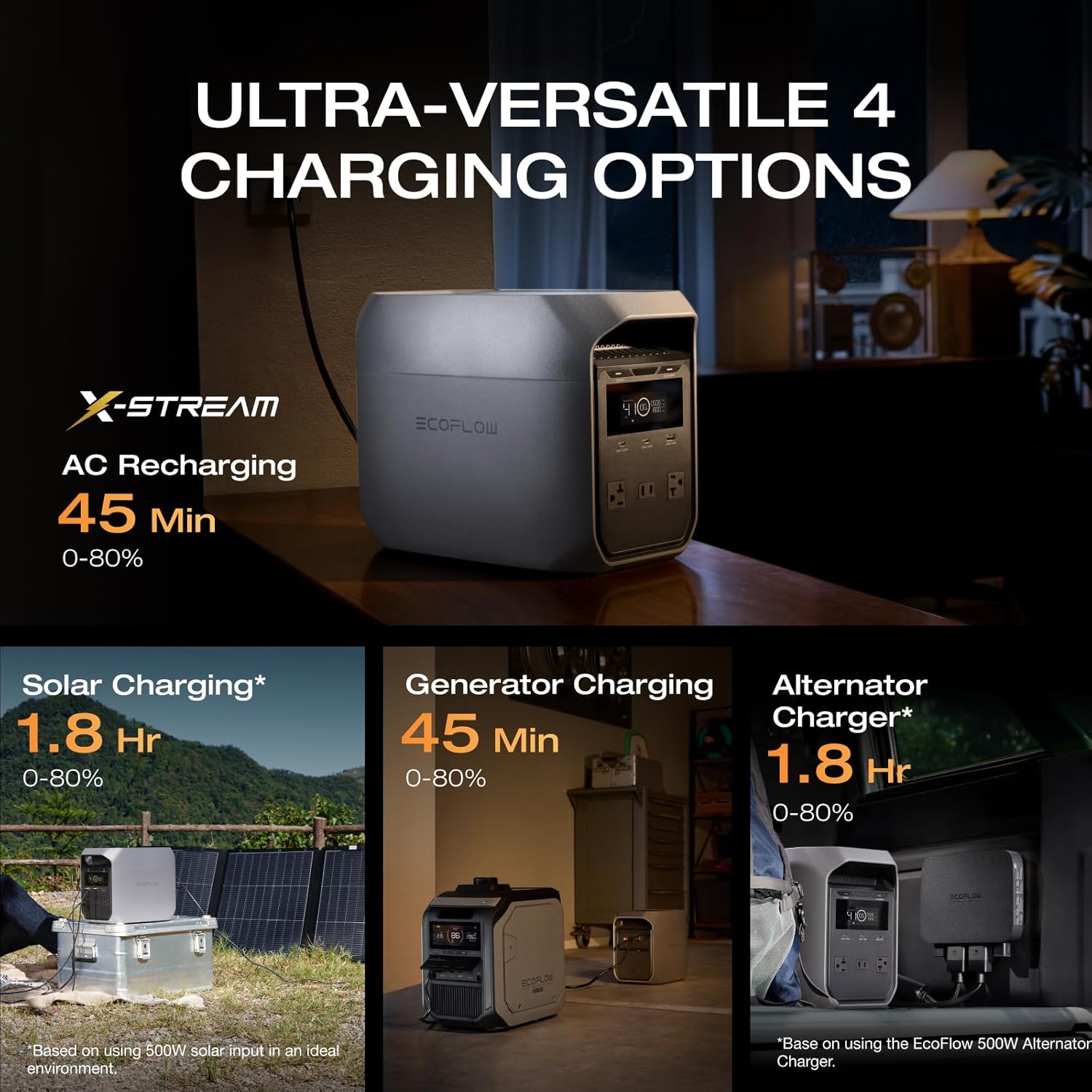
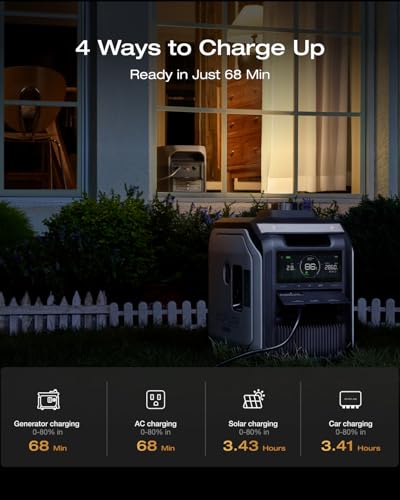
At the 2 kWh tier, Anker lists 800 W of solar input (11 to 60 V, 17 A) and 1,800 W AC charging, with a full AC charge in about 88 minutes. EcoFlow’s US page for the Max lists 0 to 80 percent in 68 minutes on AC and does not state a solar rating; EcoFlow’s UK page lists 500 W. Assuming each runs at its limit with a 0.75 derate, a full solar refill is 2,048 / (800 x 0.75) = about 3.4 peak sun hours on the Anker, and 2,048 / (500 x 0.75) = about 5.5 on the EcoFlow, if the UK figure applies.
The Anker C1000 Gen 2 has a current limit worth knowing: 8.2 A in the 11 to 28 V band, so a single 20 V panel gives about 8.2 x 20 = 164 W. See how many watts of solar a power station needs.
What Is the Same
Both brands use lithium iron phosphate cells, 120 V AC output on these models, a phone app, and a 10 ms switchover. Neither lineup here outputs 240 V. For a 240 V well pump, you need a larger system from either brand; see large power stations for home backup.
Choose Anker SOLIX If
- You want a published cycle rating and a 5-year warranty without an app step.
- Your heaviest steady load sits near 2,000 W at the 1 kWh tier.
- You want expansion at the 2 kWh tier through the BP2000 Gen 2.
Best for: a fridge, router, and lights from a unit that moves between rooms; the C1000 Gen 2 is 24.9 lb.
Avoid if: you start large compressors alongside a 1,500 W load on the 1 kWh unit.
Choose EcoFlow If
- Your loads include motors with high startup draw.
- You want a path above 5 kWh through the DELTA 3 Max Plus.
- You will register in the app to get the full 5 years.
Best for: kitchens where the fridge, microwave, and coffee maker share one station, and a household that may grow its battery.
Avoid if: you buy the Classic or Max and later want more capacity; neither expands.
We research and compare; we do not run our own product trials. The score on each card reflects verified buyer ratings, as explained on how we choose. For the wider field, see our EcoFlow guide and the home backup power station guide.
FAQ
Is Anker SOLIX or EcoFlow better for home backup?
Neither wins on every spec. Anker leads on continuous output at 1 kWh, published cycles, and warranty terms. EcoFlow leads on surge rating and on how far some models expand. Size the load first with our sizing guide.
Does the DELTA 3 expand?
It depends on the model. EcoFlow lists the DELTA 3 Plus as expandable, the DELTA 3 Max Plus up to 10 kWh, and the Max as not expandable; its Amazon listing says the same for the Classic. Check the model name on any listing.
Which brand has the longer warranty?
Anker lists 5 years on the C1000 Gen 2 and C2000 Gen 2. EcoFlow lists 3 years plus 2 with app registration on the Classic and Max, so both reach 5 years, but only EcoFlow needs the extra step.
Can either brand run a refrigerator?
Yes, within the load math above. See the fridge runtime guide for your own fridge’s numbers.
Changelog: November 2026: first published.









