


As a rule of thumb of ours, choose an electric snow shovel for steps, decks, and a driveway under about 400 sq ft with snow up to 6 inches; choose a snow blower once the driveway is larger or the snow regularly runs deeper, because a shovel is 11 to 12 inches wide and a blower is 21 inches or more.
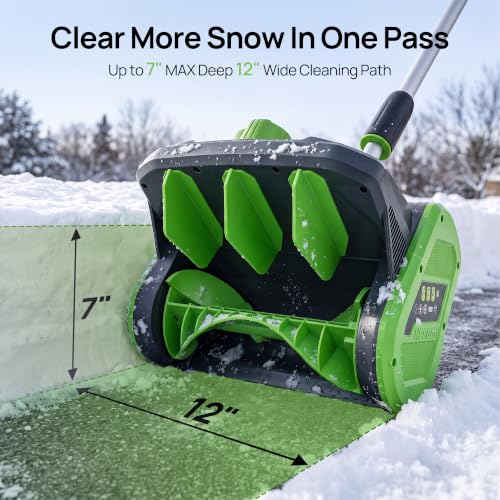
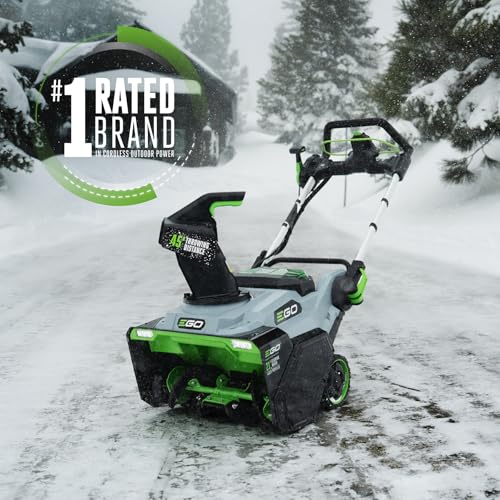
Catalog examples of each side, which differ from the models named in the table, so check their listings: a 12 in cordless shovel and a 21 in cordless blower.

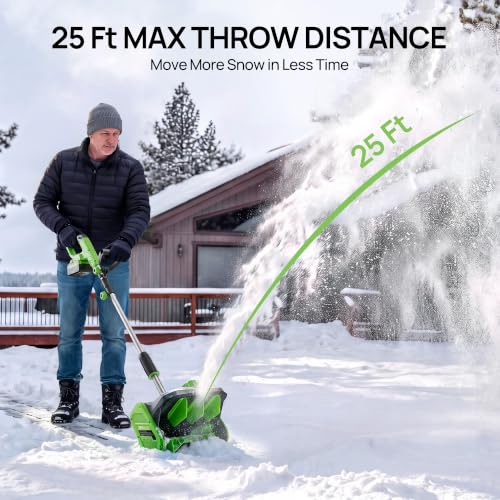
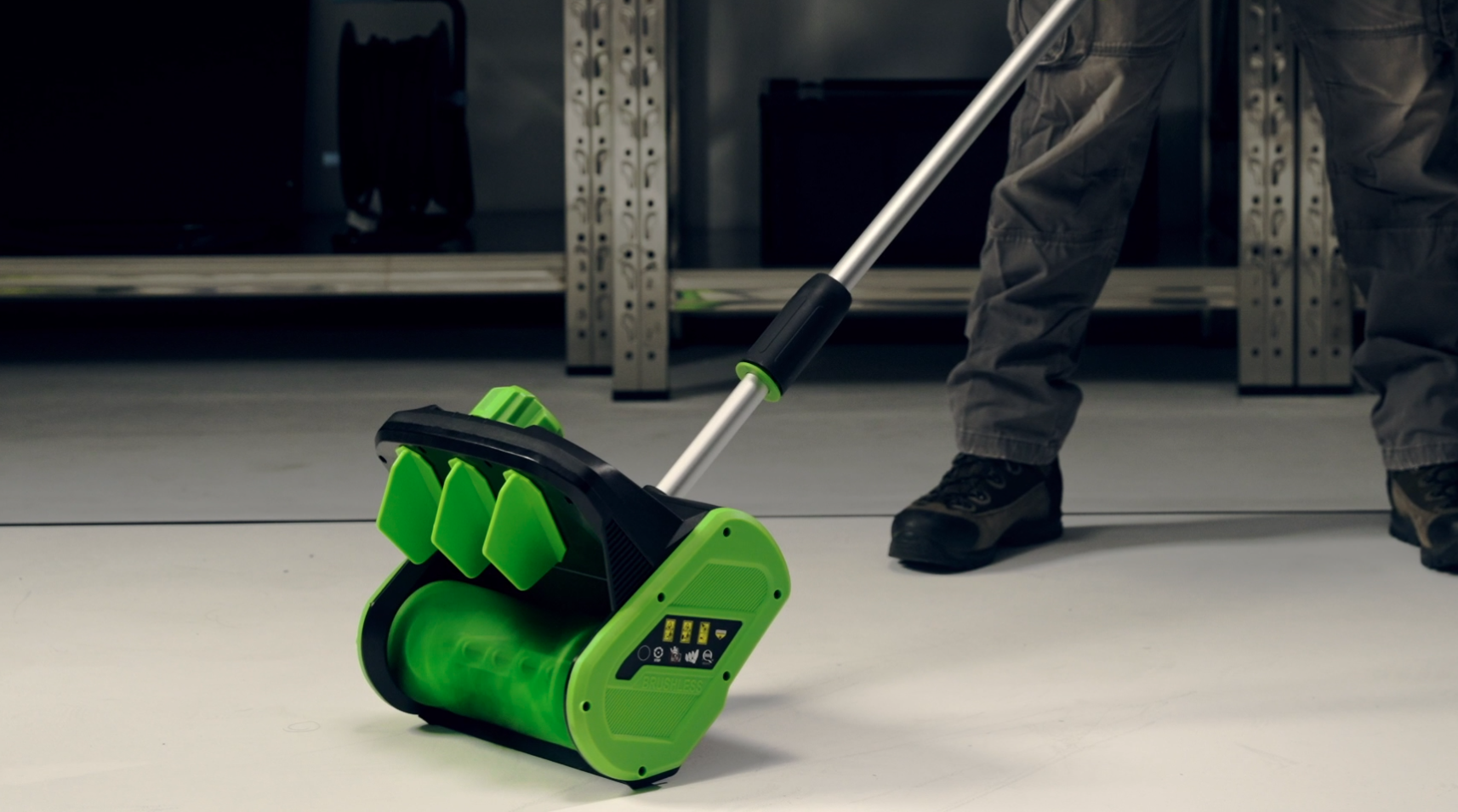
Vibekio 20V 12-Inch Cordless Snow Shovel





As an Amazon Associate we earn from qualifying purchases. Product prices and availability are accurate as of the date/time indicated.

EGO Power+ 21" Electric Snow Blower


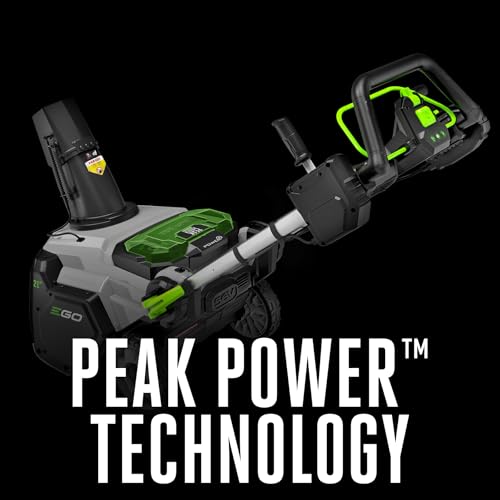
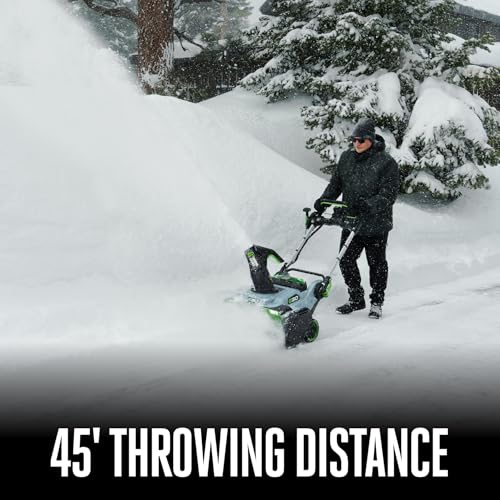
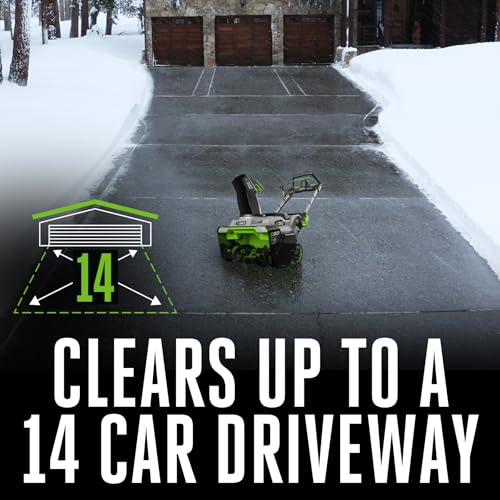
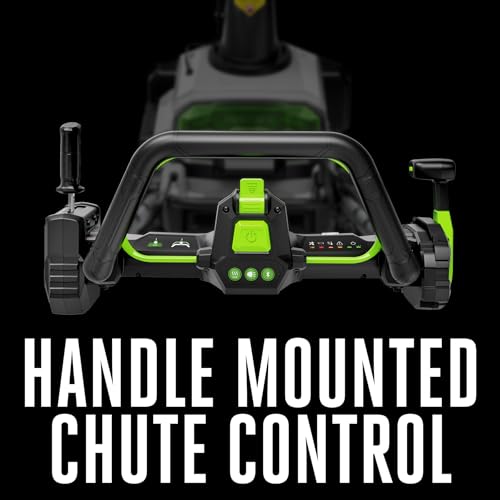
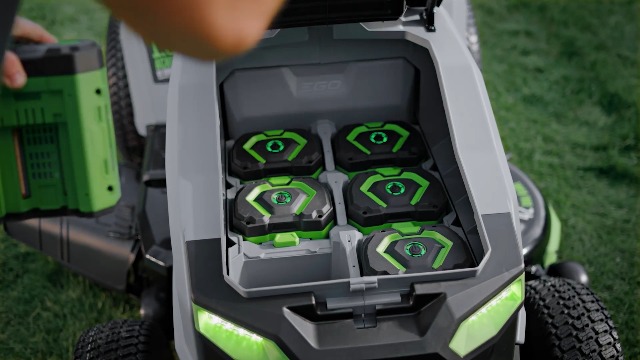
As an Amazon Associate we earn from qualifying purchases. Product prices and availability are accurate as of the date/time indicated.
Specs Side by Side
| Spec | Electric snow shovel | Snow blower (21 in single-stage) |
|---|---|---|
| Clearing width | 11 to 12 in (Snow Joe 24V-SS11: 11 in; Toro Power Shovel: 12 in) | 21 in (EGO SNT2102; Toro Power Clear 721 E) |
| Depth per pass | About 4 to 7 in | About 12 to 13 in intake |
| Throw distance | Up to 20 ft (Toro and Snow Joe pages) | Up to about 35 ft |
| Power | Corded 7.5 A or 24V battery | Battery, or gas engine |
| Passes on a 20 ft wide drive | 240 / 12 = 20 passes | 240 / 21 = 12 passes |
| Storage | Hangs on a wall | Floor space |
Figures come from Toro and Snow Joe product pages and the EGO and Toro blower pages. Toro’s product page lists the Power Shovel at 6 in deep and a Toro dealer page says 4 in; Snow Joe and retailer listings give 7 in for the 24V-SS11. Check the model you buy.
The Differences That Matter
1. Width sets your time
On a 20 ft by 40 ft driveway, a 12 in shovel makes 20 passes of 40 ft, or 800 ft of walking. A 21 in blower makes 12 passes, or 480 ft. A 26 in two-stage makes 10 passes, or 400 ft. Each pass is also deeper with the blower, so the shovel often needs a second go.
2. Depth limits the shovel
A powered shovel is meant for light snow in layers. At 6 inches over 400 sq ft, that is 400 x 0.5 = 200 cu ft, about 1,250 lb at 6.2 lb per cu ft (a 10 to 1 snow-to-water rule of thumb). Doable with a shovel, but the same storm at 12 inches doubles it.
3. Weight and storage
A shovel hangs on a hook. A blower needs floor space and, if gas, fuel storage away from living space. Gas models need the carbon monoxide rule: never run the engine in a garage or other enclosed area; keep it outdoors, away from doors, windows, and vents.
4. Surface and aim
A shovel’s small auger suits steps and decks where a blower will not fit. On gravel, use extra caution with either tool; EGO notes its scraper bar can catch on large cracks or debris. For glaze ice, use ice melt.
Choose Each If
- Choose the electric snow shovel if: your drive is under about 400 sq ft (our rough cutoff), snow is usually a few inches, or you have steps and a deck.
- Choose the snow blower if: your drive is 800 sq ft or more or your storms leave more than 6 inches. See best electric snow blowers.
- Avoid if: you clear more than about 400 sq ft every storm (shovel), or you only have steps and a short walk (blower).
FAQ
Is a snow blower better than a regular shovel?
For a large driveway, yes, on time. For a few steps, no. See best snow shovels.
How much snow can an electric shovel take?
Maker, dealer, and listing pages give 4 to 7 inches per pass, depending on the model. Take deeper snow in layers.
Do I need ice melt too?
For glaze ice, yes; see ice melt for concrete. We research and compare; we do not run our own product trials. Our method is on one page.
Changelog: November 2026: first published.









