


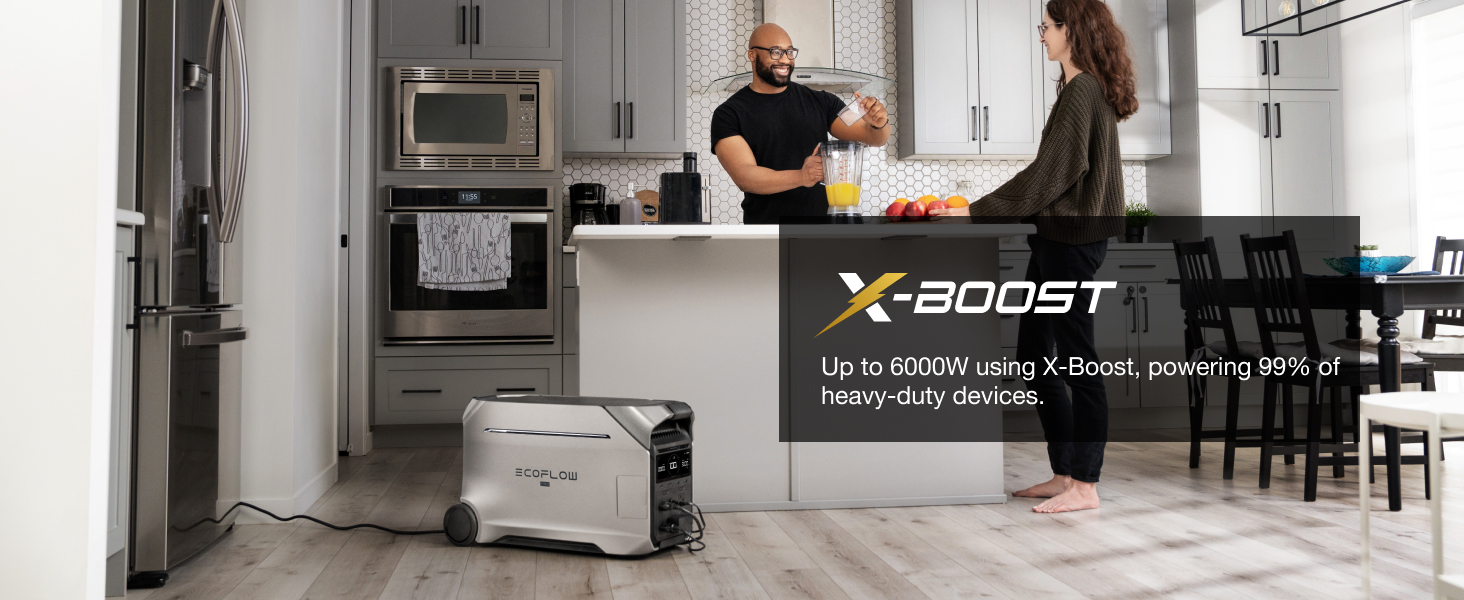
The Anker SOLIX F3800 Plus gives you 6,000 W continuous; the EcoFlow DELTA Pro 3 gives you 4,000 W, with 6,000 W available through X-Boost, and more storage per unit at 4,096 Wh against 3,840 Wh. If your load is mostly resistive and under 4,000 W, the DELTA Pro 3 is the lighter, roomier box. If you run motors and a 240 V dryer-class load together, the F3800 Plus has more headroom.
We research and compare; we do not run our own product trials. Figures come from ankersolix.com and us.ecoflow.com unless noted. See how we choose. EcoFlow also sells the older DELTA Pro (3,600 Wh, 3,600 W); this page covers the current DELTA Pro 3.

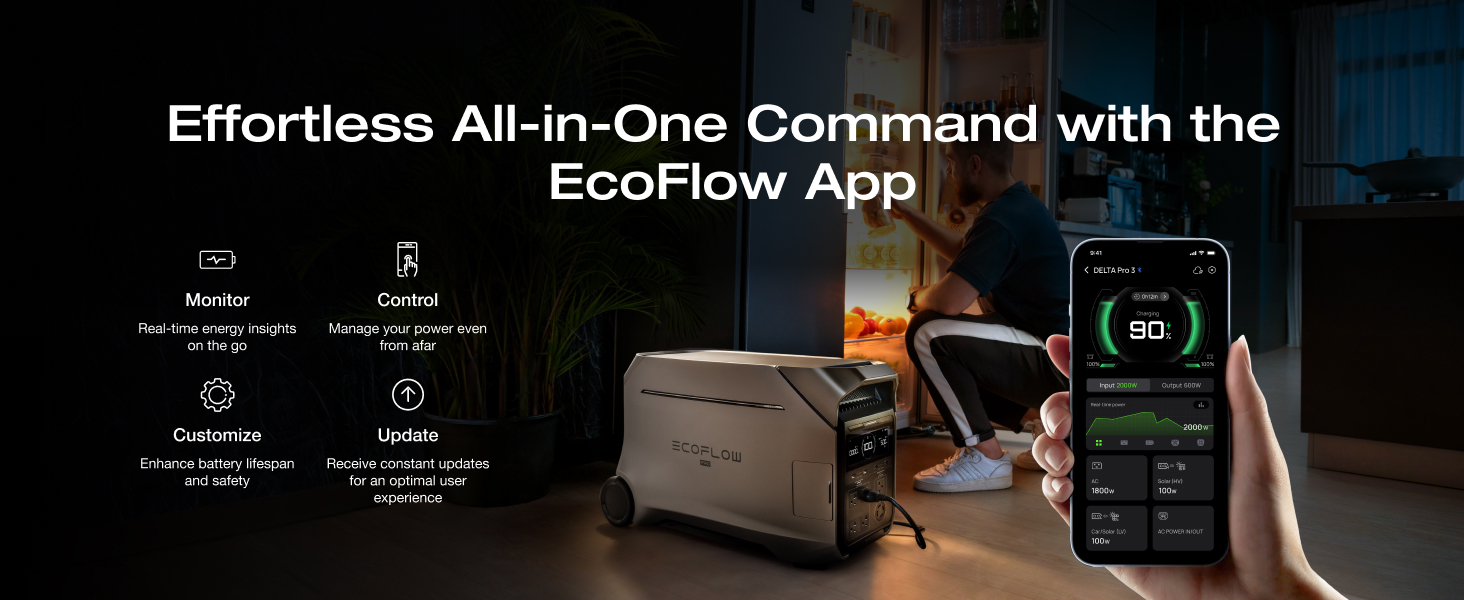
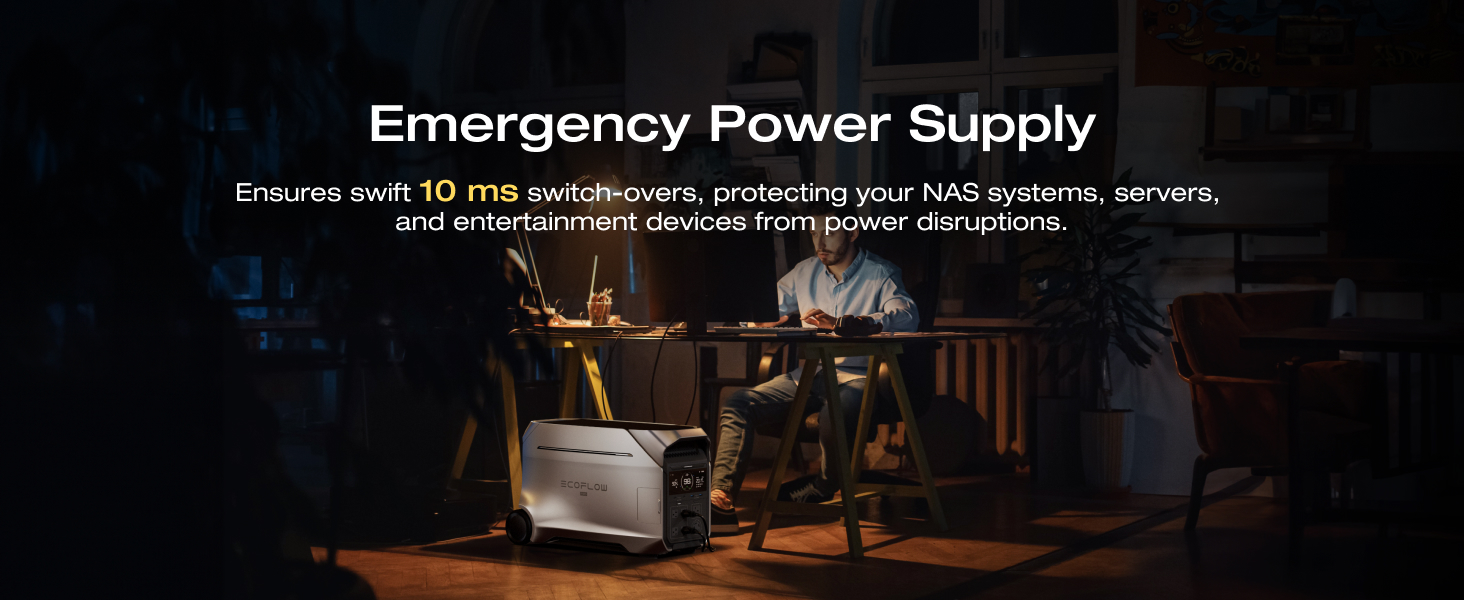
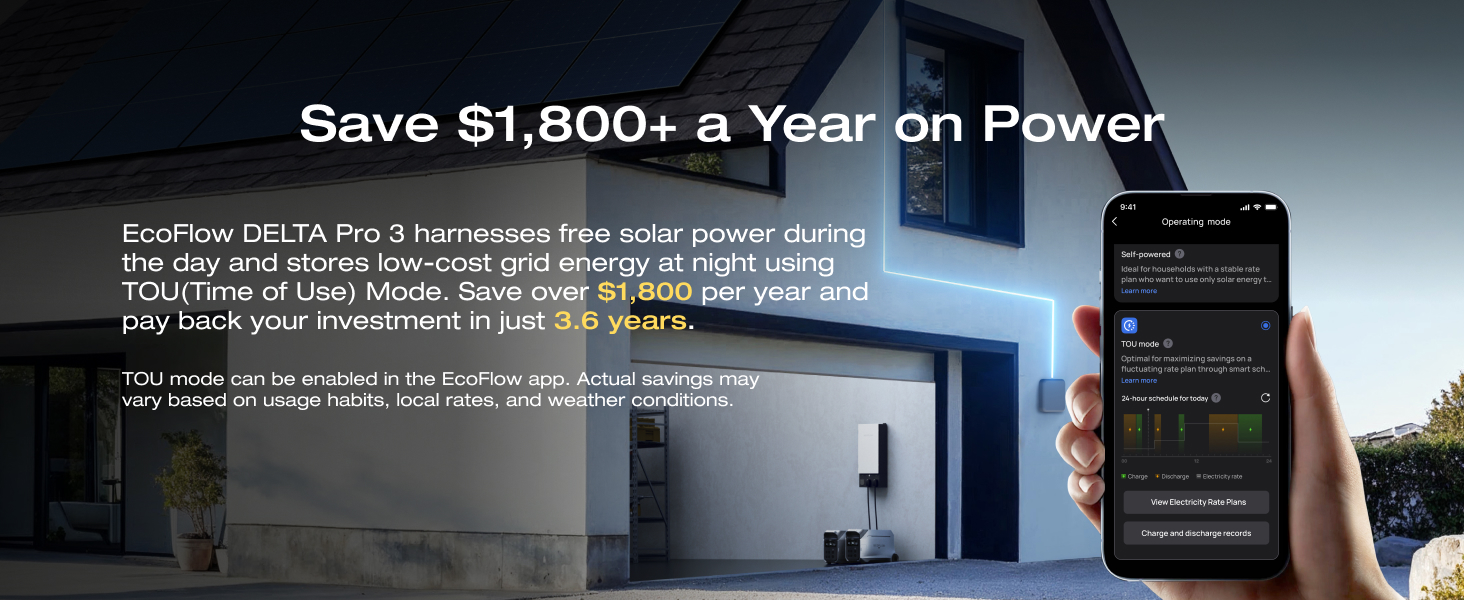
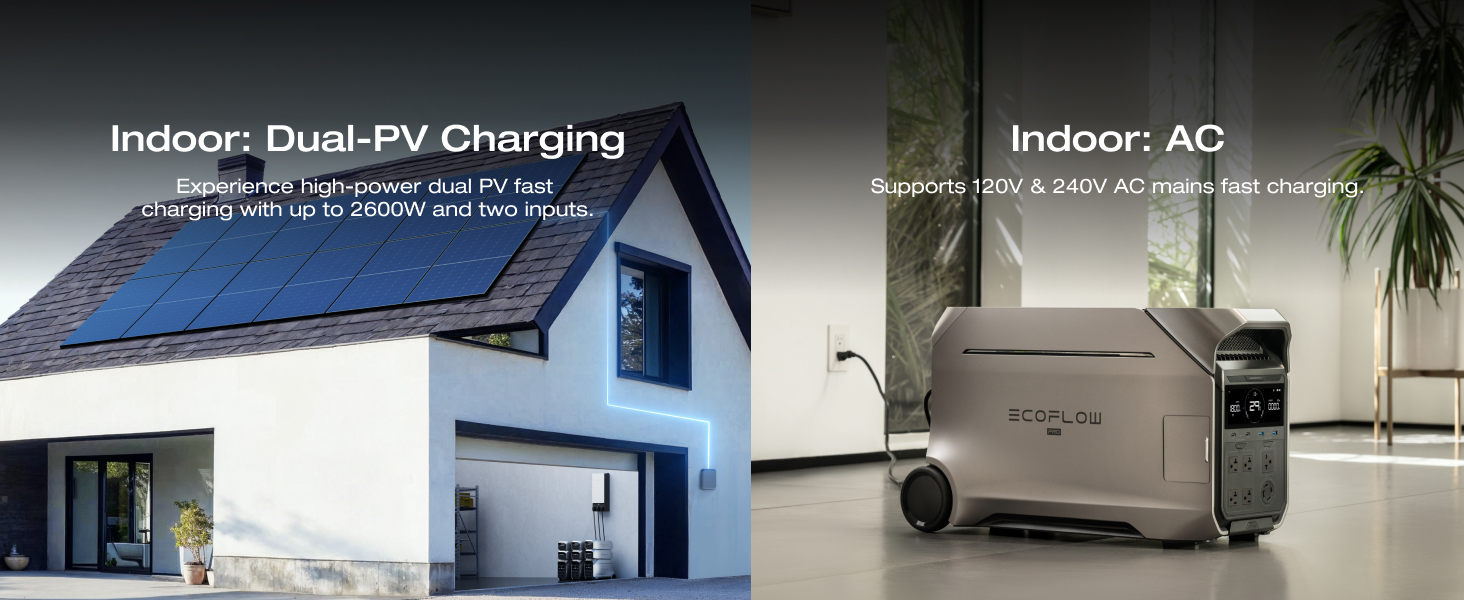
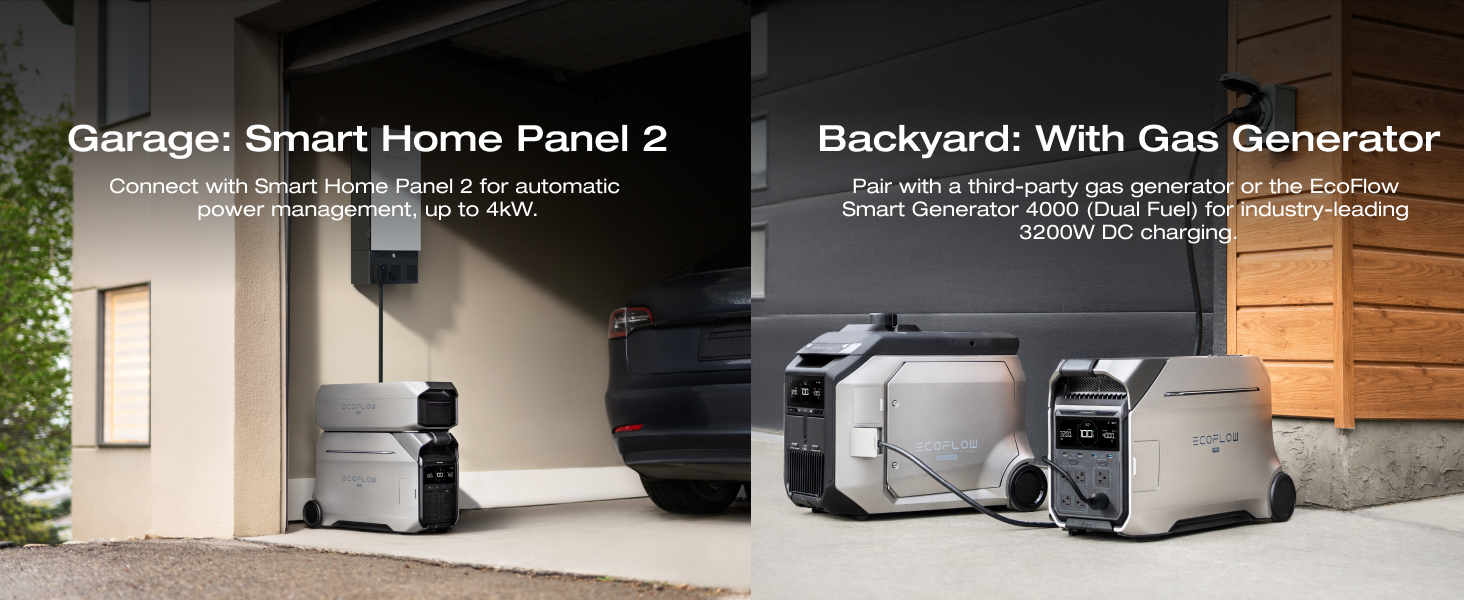
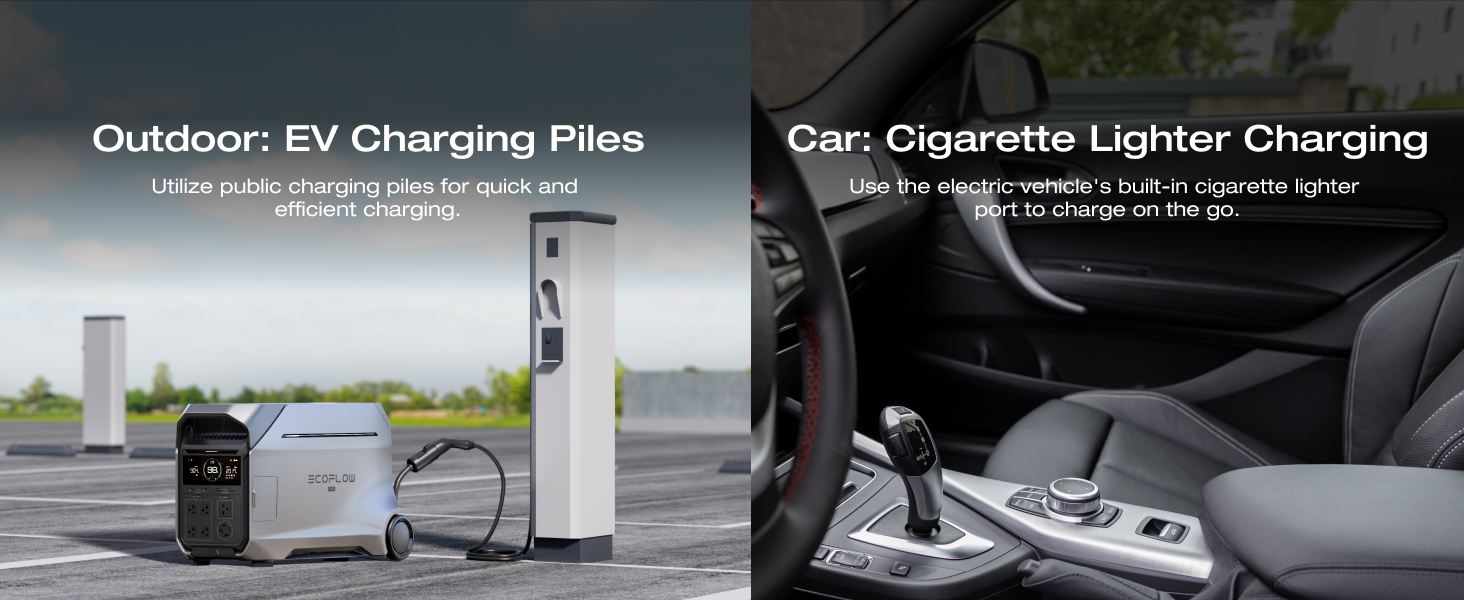
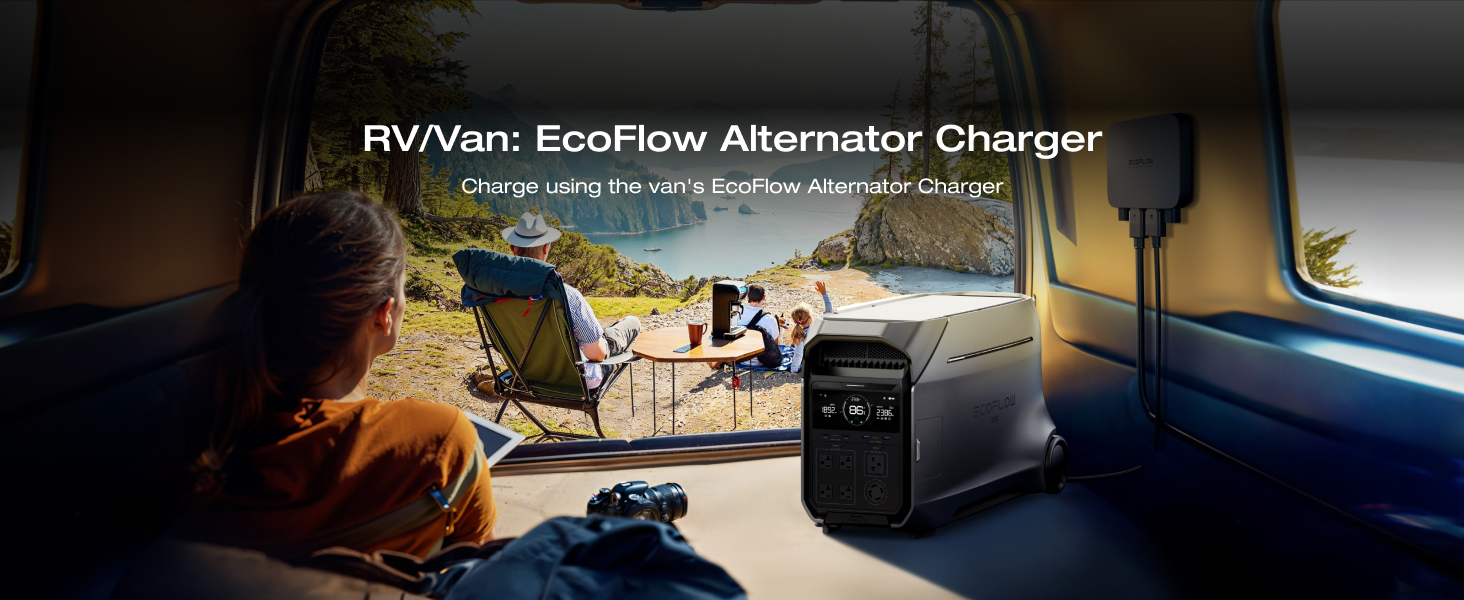
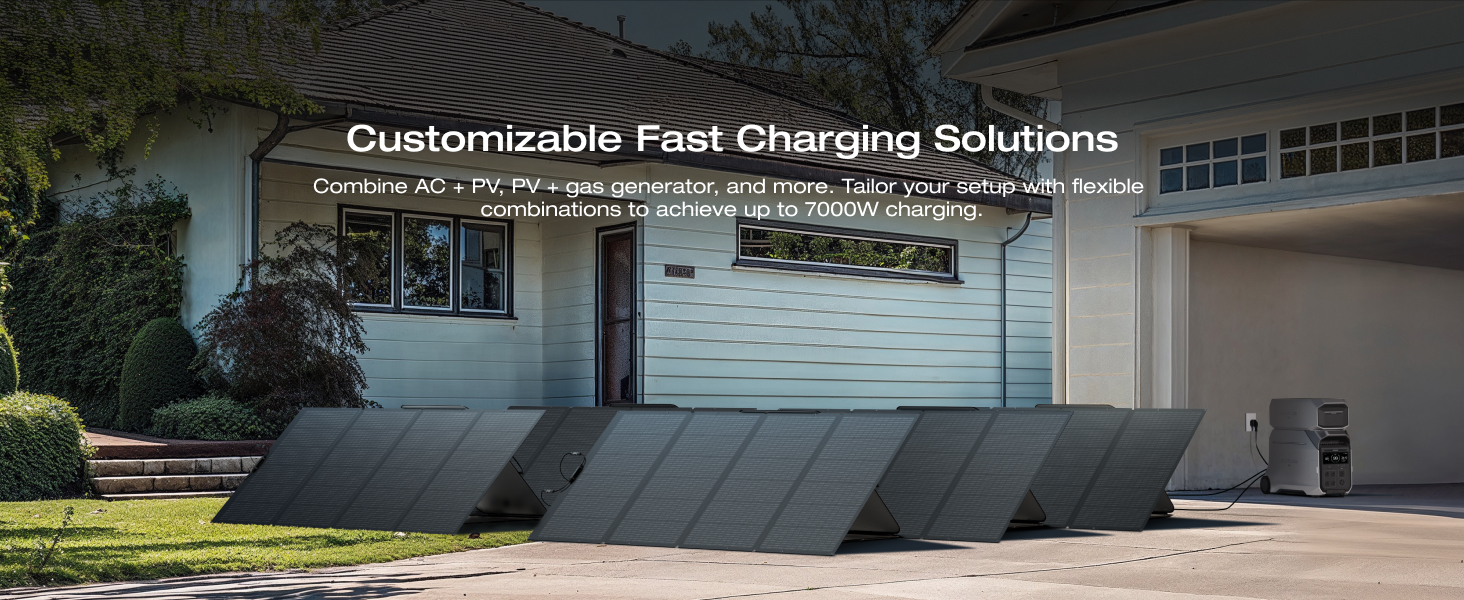
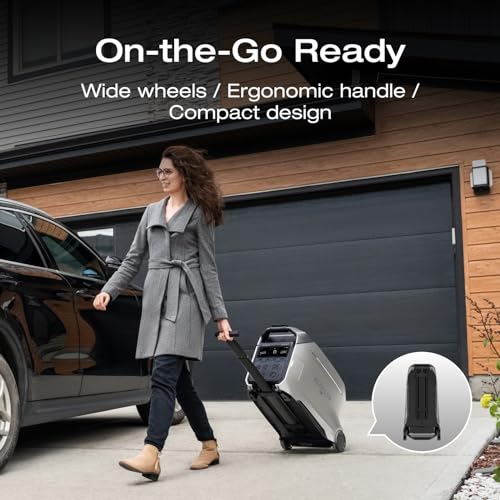
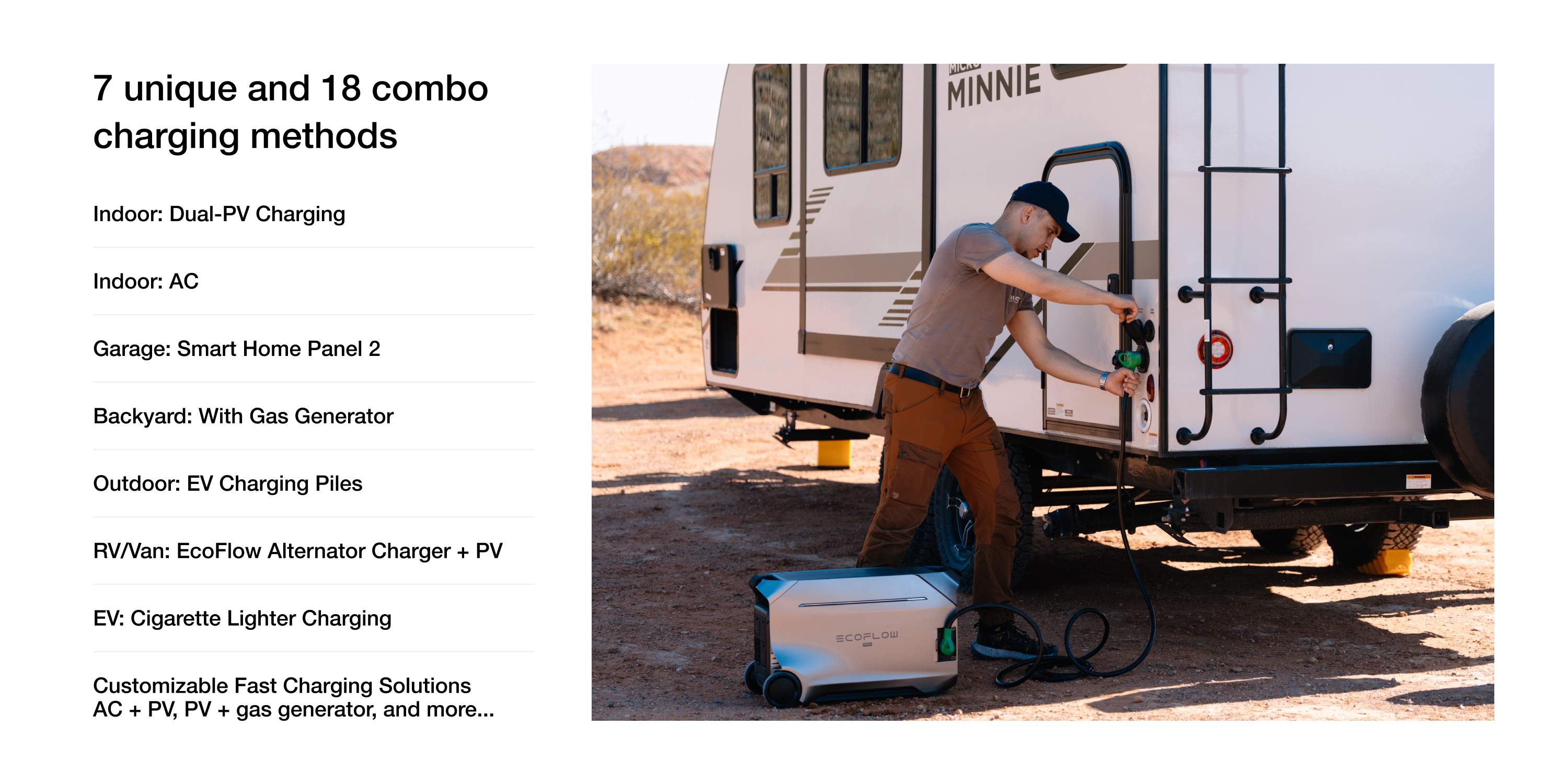
EF ECOFLOW DELTA Pro 3 Portable Power Station





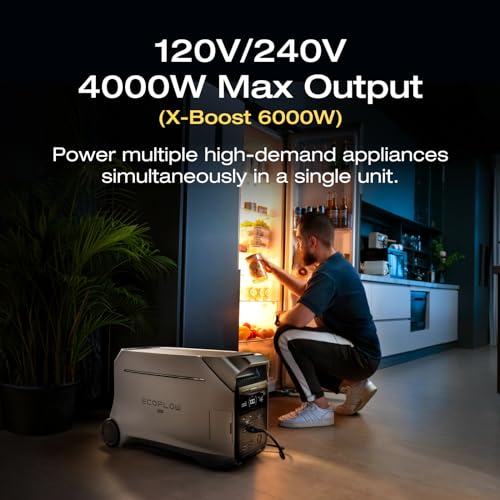
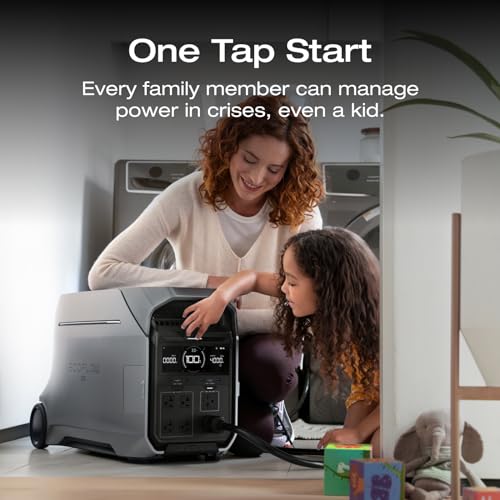
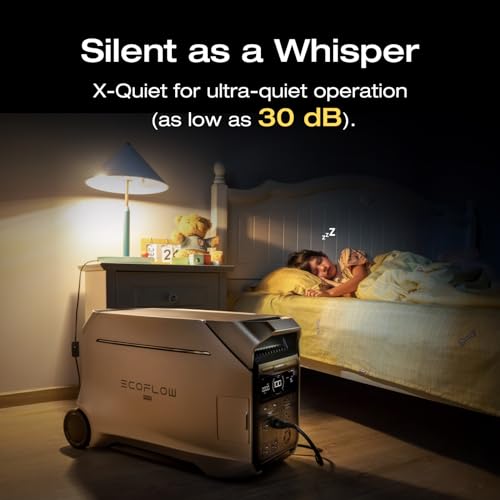
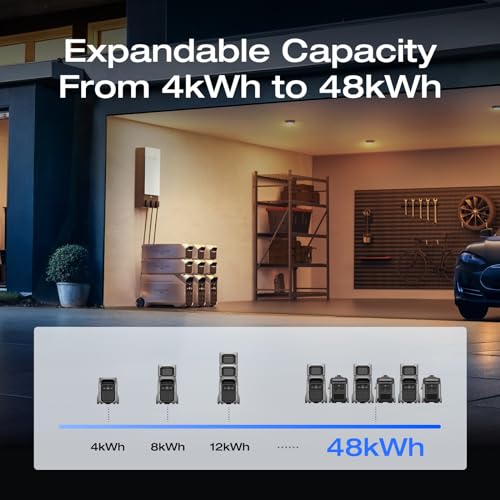
As an Amazon Associate we earn from qualifying purchases. Product prices and availability are accurate as of the date/time indicated.
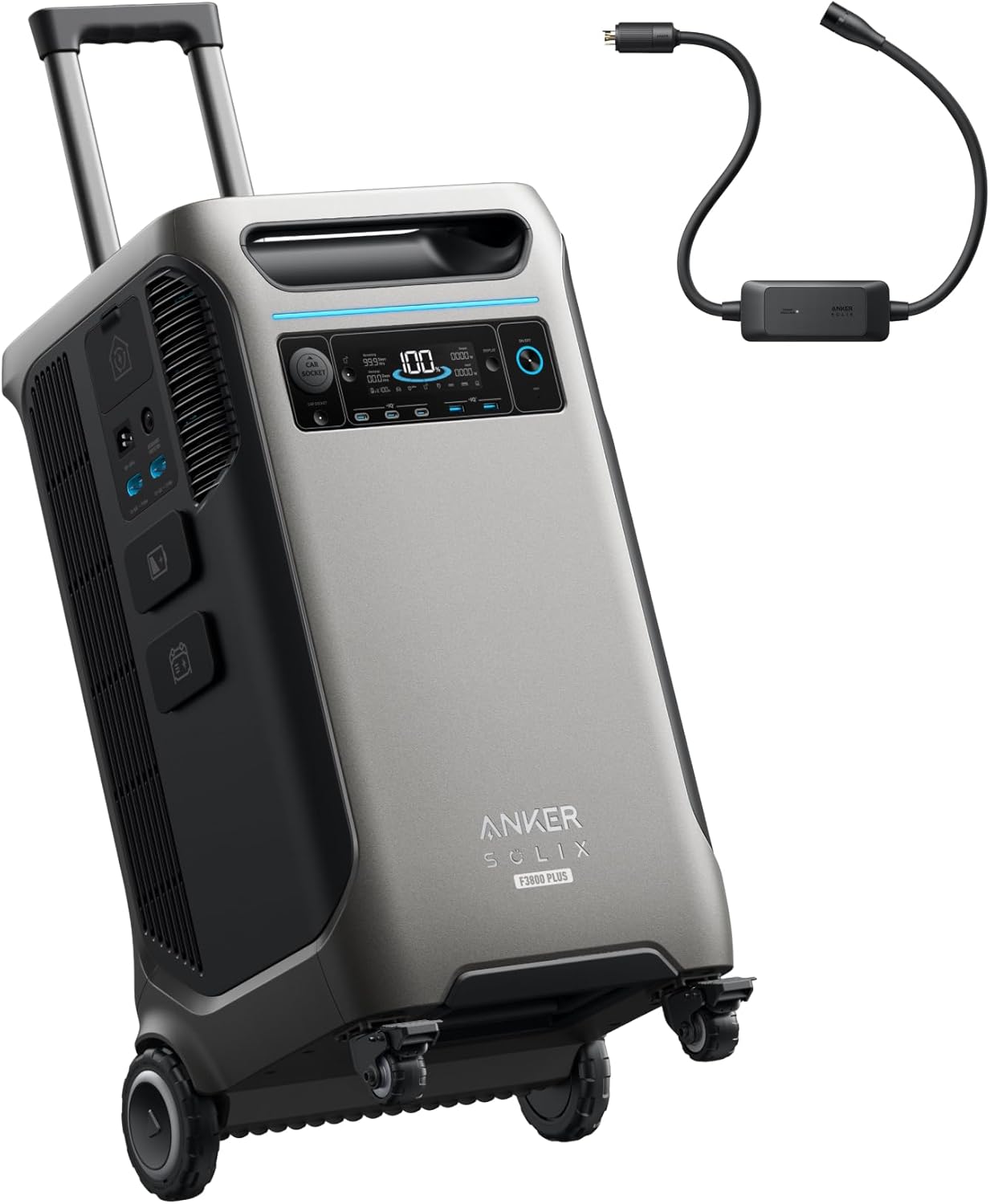
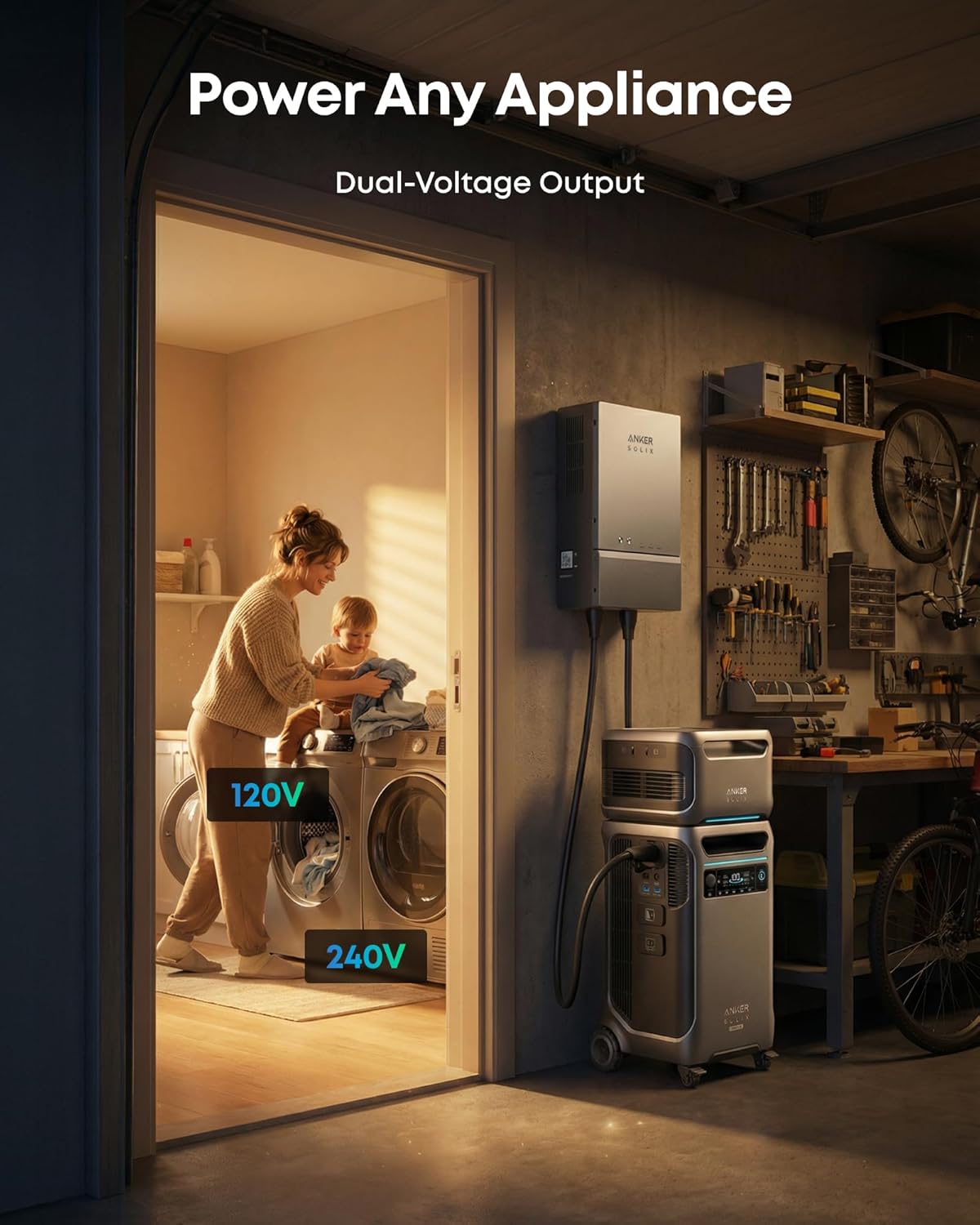
Anker SOLIX F3800 Plus Portable Power Station






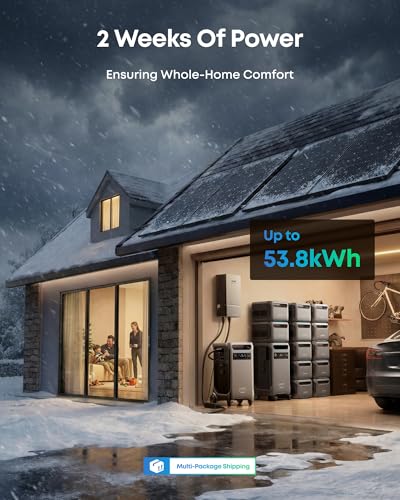
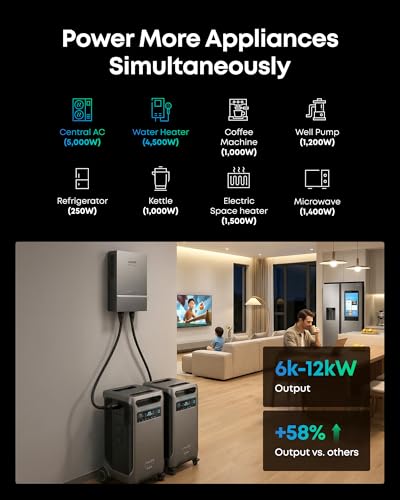
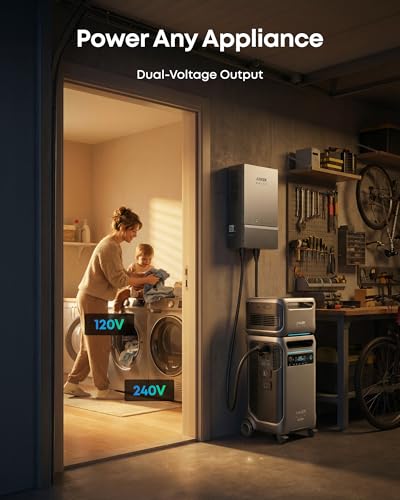
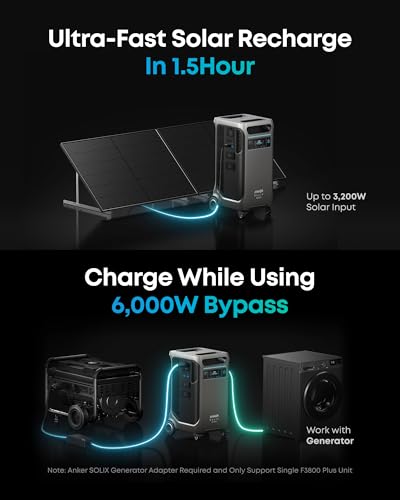
As an Amazon Associate we earn from qualifying purchases. Product prices and availability are accurate as of the date/time indicated.
Specs Side by Side
| Spec | EcoFlow DELTA Pro 3 | Anker SOLIX F3800 Plus |
|---|---|---|
| Battery per unit | 4,096 Wh LFP | 3,840 Wh LFP |
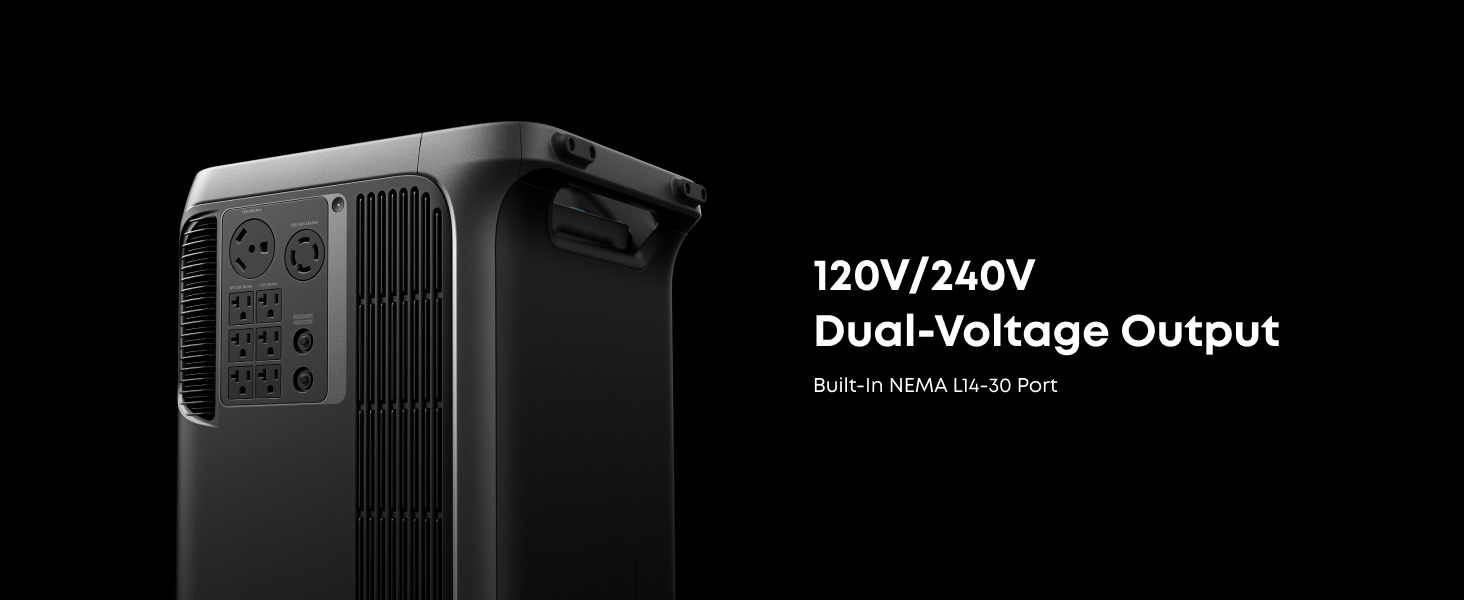
| Continuous AC | 4,000 W per unit, 120/240 V | 6,000 W per unit, 120/240 V |
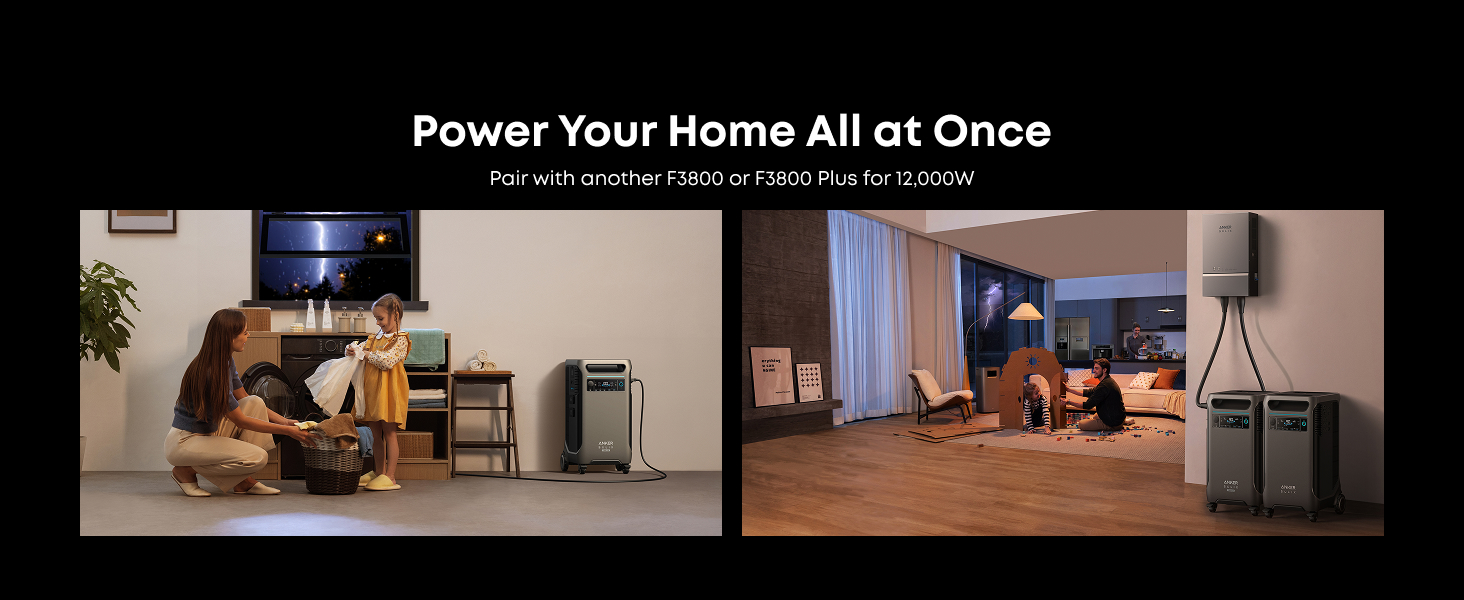
| Boost | 6,000 W with X-Boost | Not applicable; two units pair for 12,000 W |
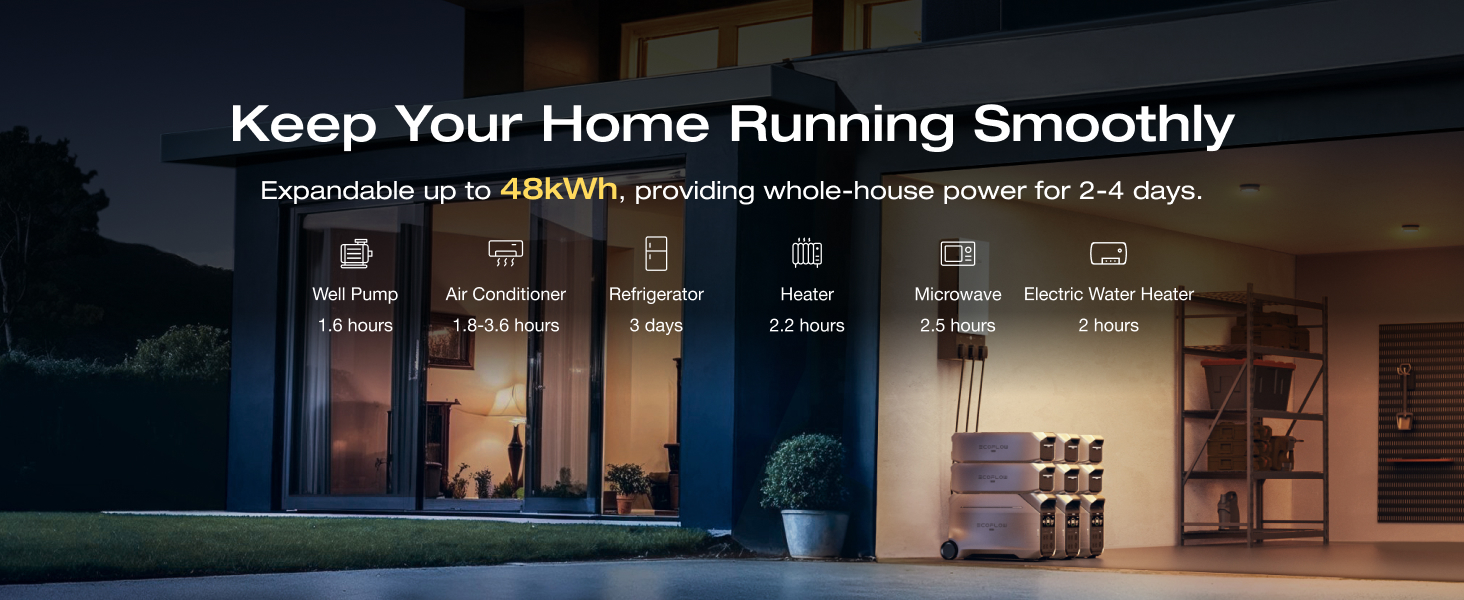
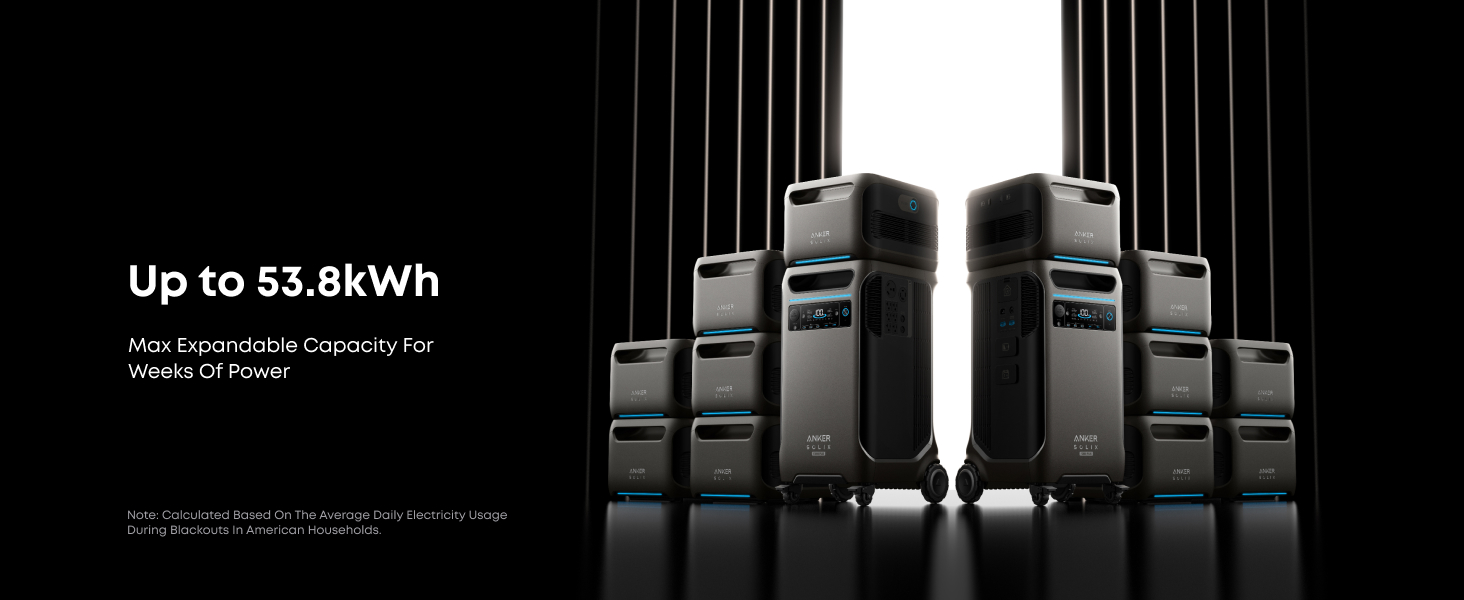
| Expansion | 12 kWh per unit with two extra batteries; EcoFlow lists 4 to 48 kWh overall | Up to 6 batteries (26.9 kWh); 53.8 kWh with two units |
| Rated cycles | 4,000 to 80% | 3,000 or more |
| Weight | 113.5 lb (51.5 kg) | 136.7 lb |
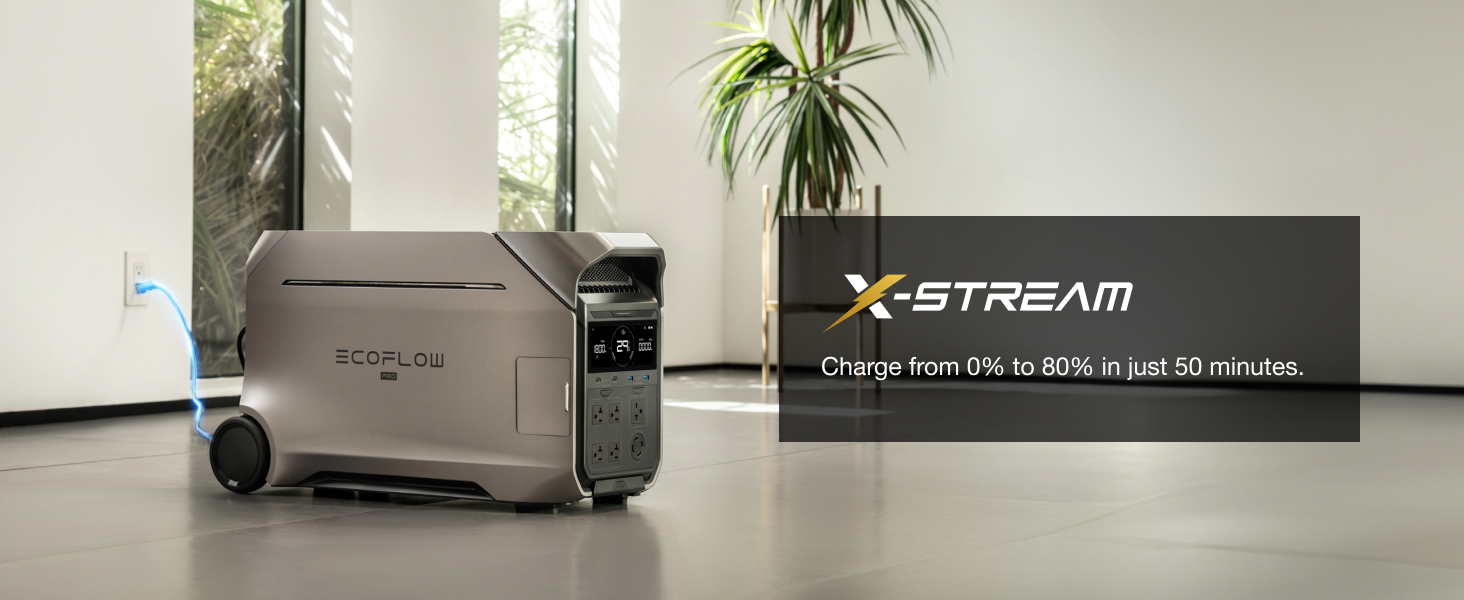
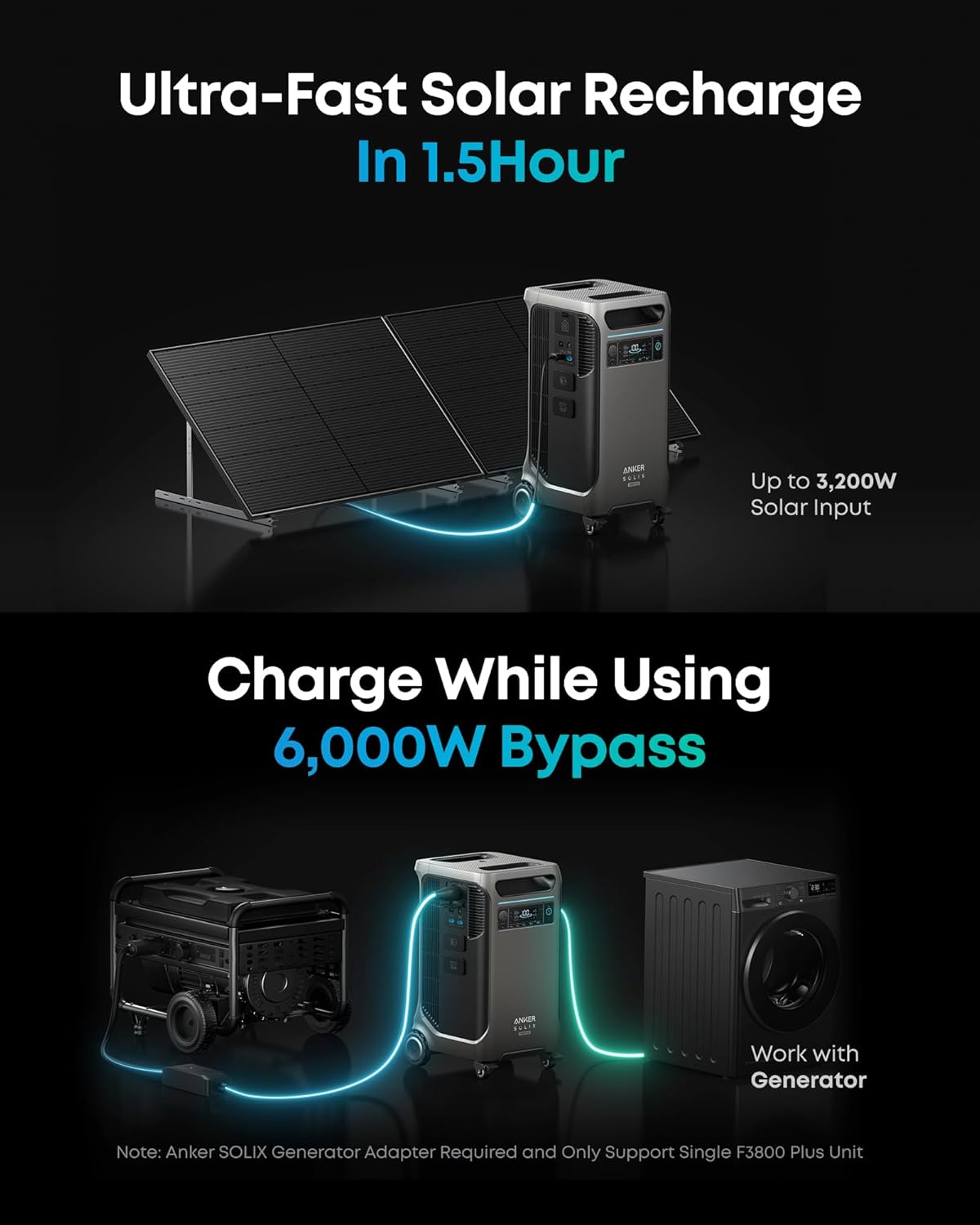
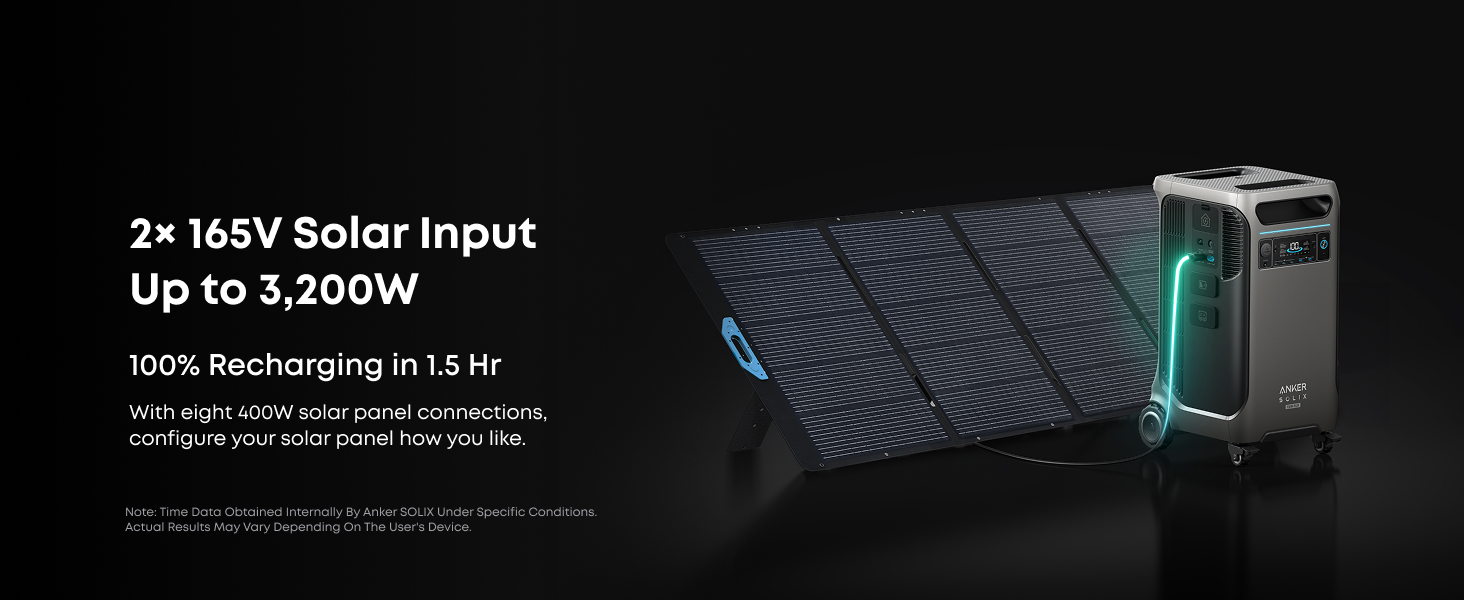
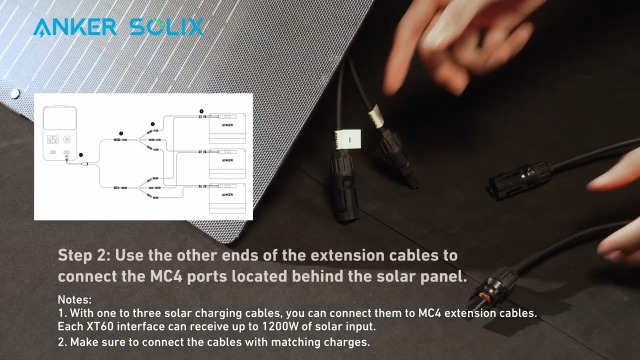
| Solar input | 2,600 W across two ports (1,600 W high-voltage plus 1,000 W low-voltage) | 3,200 W |
| Warranty | 5 years (3 standard plus 2 with app registration) | 5 years |
The Differences That Matter
1. Output: 4,000 W vs 6,000 W
6,000 / 4,000 = 1.5 times the continuous output on the Anker. X-Boost narrows the gap for supported devices, but EcoFlow’s manual says it suits heating-type devices and not appliances with strict voltage requirements, so size to the continuous rating. A 240 V well pump plus a fridge plus a 3,000 W heater already crosses 4,000 W.
2. Energy and Weight
Usable energy at a 0.85 planning figure (ours): EcoFlow 4,096 x 0.85 = 3,482 Wh; Anker 3,840 x 0.85 = 3,264 Wh. A 1,000 W load runs about 3.5 hours on the first and 3.3 on the second. Weight per kWh of stored energy: 113.5 / 4.096 = 27.7 lb for the EcoFlow, 136.7 / 3.84 = 35.6 lb for the Anker, both including the inverter.
3. Growing the System
One DELTA Pro 3 reaches 12 kWh with two extra batteries, and EcoFlow lists 4 to 48 kWh overall for larger setups. Anker lists 26.9 kWh per unit and 53.8 kWh with two. Either ceiling is more than a typical essentials plan needs; our battery sizing guide shows how to count.
4. Home Panel and Generator Use
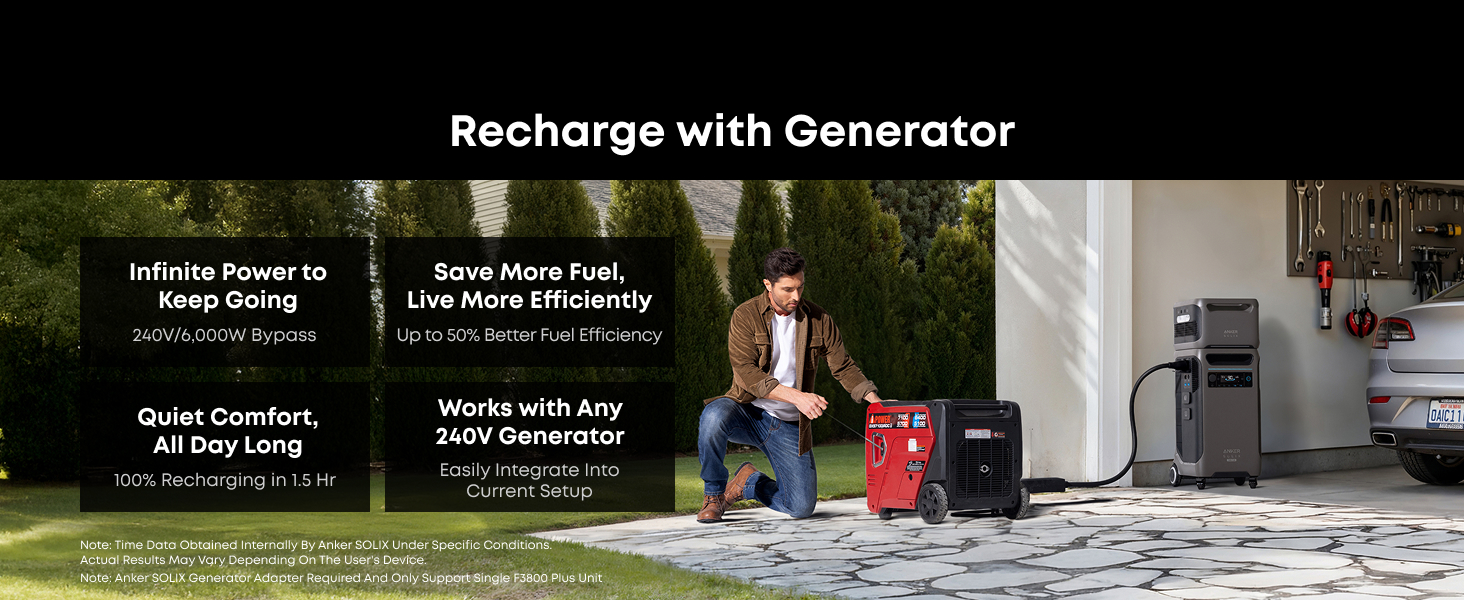
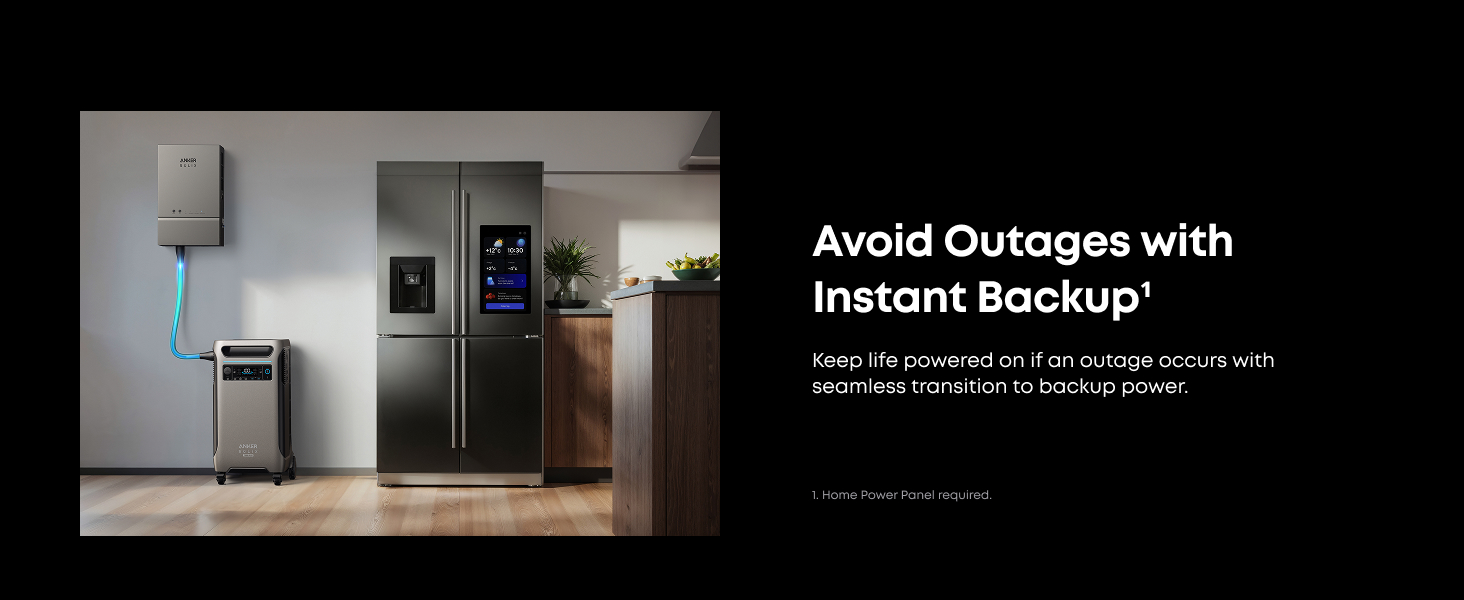
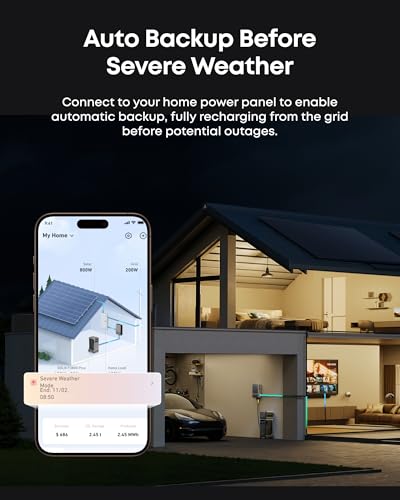
EcoFlow pairs with its Smart Home Panel 2 (explained here); Anker has its own home panel, transfer switch, and inlet options. All panel work belongs to a licensed electrician. If you recharge from a gas generator, run it outdoors, at least 20 feet from the home, far from windows, doors, and vents, with exhaust pointed away and working carbon monoxide alarms on every level and outside sleeping areas, per the generator manual and CPSC guidance.
Choose the DELTA Pro 3 If
- Best for: loads under 4,000 W, more storage per box, lower weight per kWh.
- You want a 4,000-cycle rating to 80%.
- Avoid if: your continuous load is regularly above 4,000 W and you want one unit.
Choose the F3800 Plus If
- Best for: 6,000 W continuous from one case and 3,200 W solar input.
- You plan to pair two units for 240 V at higher power.
- Avoid if: you cannot place a 136.7 lb unit.
Related: F3800 Plus vs DELTA Pro Ultra for bigger loads, and whole-home battery backup options.
FAQ
Is the DELTA Pro 3 the same as the DELTA Pro?
No. The original DELTA Pro is 3,600 Wh and 3,600 W; the DELTA Pro 3 is 4,096 Wh and 4,000 W. Match the model name when you buy extra batteries.
Can either run central air?
Possibly. Compare the AC nameplate start-up amps against each unit’s ratings before you rely on it; Anker’s page lists no surge figure for the F3800 Plus.
Do I need an electrician?
Only to connect either unit to a home panel. Plug-in use needs none; never backfeed through an outlet.
Changelog: November 2026: first published.









