Pick electric for the lowest-effort set-and-forget smoking, pellet for the best mix of smoke flavor and automatic temperature control, and propane when you have no outlet nearby. The three differ mainly in fuel, power needs and how much real wood smoke you get.
| Factor | Electric | Pellet | Propane |
|---|---|---|---|
| Heat source | Electric element | Wood pellets from a hopper | Gas burner |
| Needs an outlet | Yes | Yes, for controller, auger and fan | Usually no |
| Smoke source | Wood chips on a tray | The burning pellets | Wood chips or chunks on a tray |
| Tending | Low | Low once set | Low to moderate |
| Also grills | No | Some can | Rarely |
Differences That Matter
Temperature ceiling
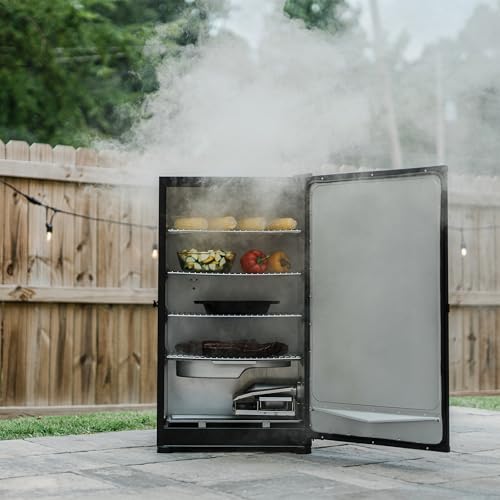
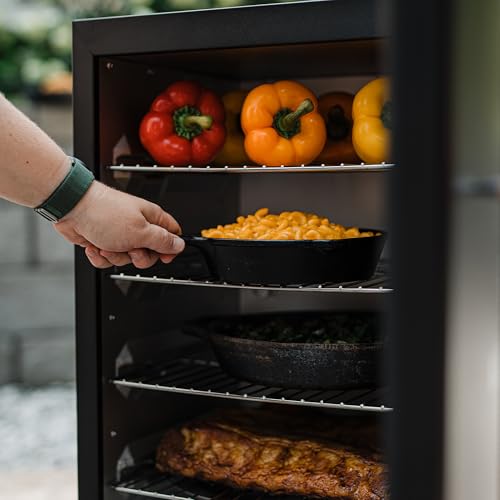
Electric smokers are built for low heat. Masterbuilt’s pages list 100 to 275°F for its 30-inch and 40-inch digital electric units, so neither sears. A pellet grill can cook across a wider range and may sear, depending on model; see best pellet grills for searing. A propane smoker’s range depends on the burner and cabinet.
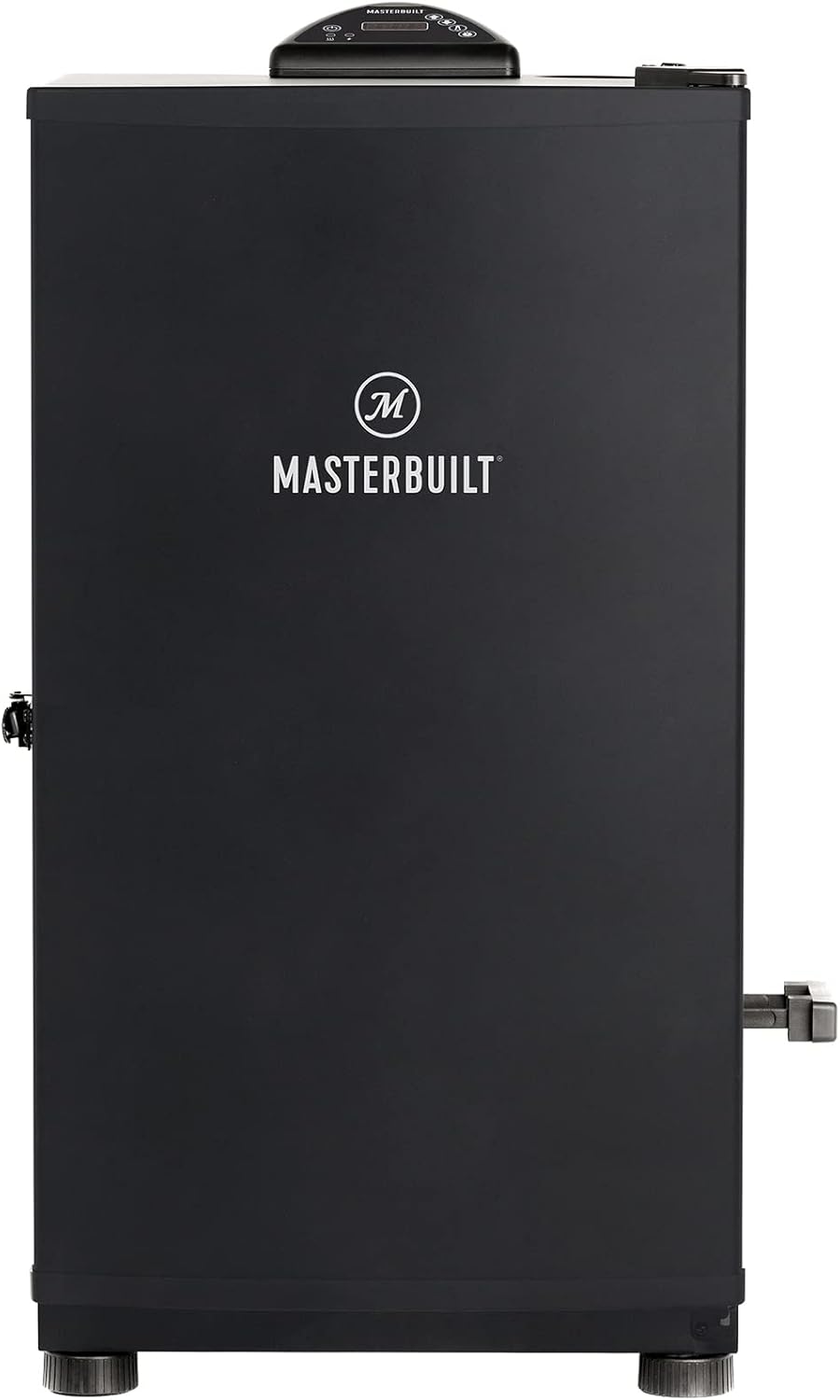
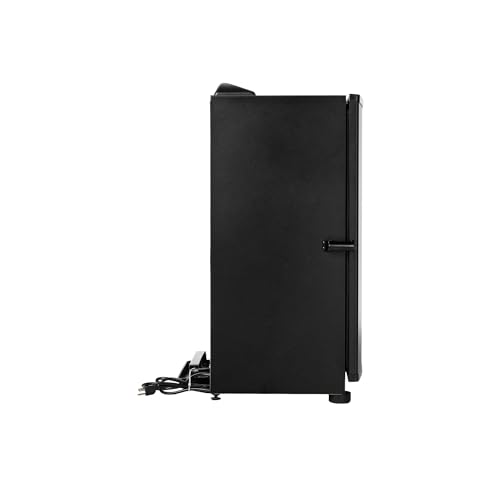
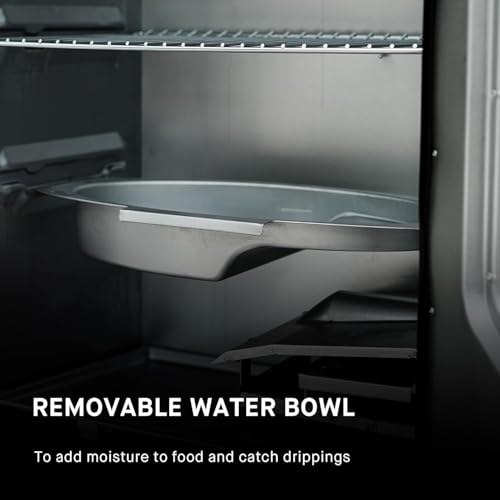
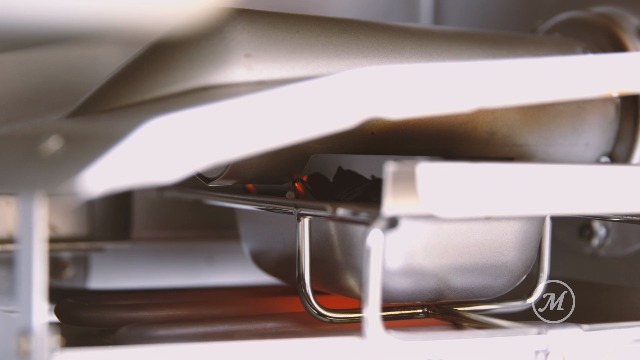
Masterbuilt® 30-inch Digital Electric Vertical BBQ


As an Amazon Associate we earn from qualifying purchases. Product prices and availability are accurate as of the date/time indicated.
Where the smoke comes from
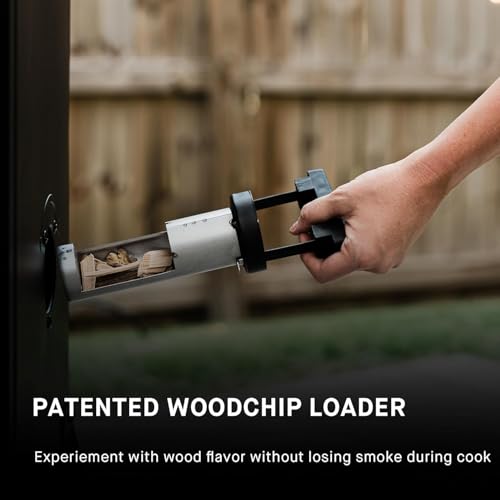
A pellet cooker makes smoke from the fuel itself, so flavor follows your pellet choice; see hardwood vs flavored blend pellets. Electric and propane smokers burn a separate pile of chips or chunks on a tray, which you refill by hand. How strong the smoke tastes depends on the model and the wood.
Fuel math for propane
A 20 lb cylinder holds about 436,000 Btu (20 lb x about 21,800 Btu per lb, which is the 91,420 Btu per gallon higher heating value on the Department of Energy’s AFDC page divided by the common 4.2 lb per gallon figure). If a smoker averaged 10,000 Btu per hour, an assumed example and not a rating, a cylinder would last about 436,000 / 10,000 = 43.6 hours. Check the maker’s own consumption figure. For gauges and refills see best propane tank gauges and refill accessories.
Outlet and weather
Electric and pellet models need a nearby outdoor-rated outlet; follow the manual on extension cords. If you lose power, see whether a power station can run a pellet grill. Propane avoids the outlet but means keeping a spare cylinder. For cold weather, see how to smoke meat in cold weather.
Choose Electric If
- You want the simplest start; see best electric smokers.
- You mostly smoke ribs, sausage and fish at low temperatures.
Choose Pellet If
- You want one cooker for smoking and everyday cooking; see best pellet grills.
- You want automatic temperature control with real wood smoke.
Choose Propane If
- You have no outlet where the smoker will sit; see best propane smokers.
- Look elsewhere if you do not want to handle cylinders.
Safety
Burning wood chips, pellets or gas makes carbon monoxide, so use all three outdoors only: CPSC says never use a grill indoors or in a garage, breezeway, carport, porch or under a surface that will burn. Keep them away from the house, railings and eaves (NFPA). On propane, check connections for leaks with soapy water; if you smell gas, shut off the valve, do not light, and call your gas supplier or 911; see how to check a propane grill for leaks. Do not modify regulators or valves. Use a food thermometer: 165°F for poultry, 160°F for ground meat, 145°F with a 3 minute rest for whole beef, pork and lamb.
FAQ
Which is easiest for a beginner?
Electric and pellet both need little tending; see best smokers for beginners.
Is a pellet grill the same as an electric smoker?
No. A pellet grill burns pellets and uses electricity for its controller, while an electric smoker heats with an element; see pellet grill vs smoker.
How do we pick between models?
We research specs and public ratings and do not use or review the products ourselves. Our method is in how we choose.
Changelog: November 2026: first published.