


Anker sells two different things under SOLIX. The X1 is an installed home battery built from 5 kWh modules, the closest match to the Powerwall 3. The F3800 Plus is a plug-in power station with 3,840 Wh and 6,000 W. Pick the Powerwall 3 for the highest output (up to 11.5 kW per unit) and built-in solar; pick the X1 for a modular install with 6.6 kW backup output per system; pick the F3800 Plus if you want to move it yourself.
Product figures come from ankersolix.com and Tesla’s Powerwall 3 datasheet and manuals. The Powerwall 3 and X1 are sold through installers, not Amazon, so only the F3800 Plus has a product card. We research and compare; we do not run our own product trials. See how we choose.
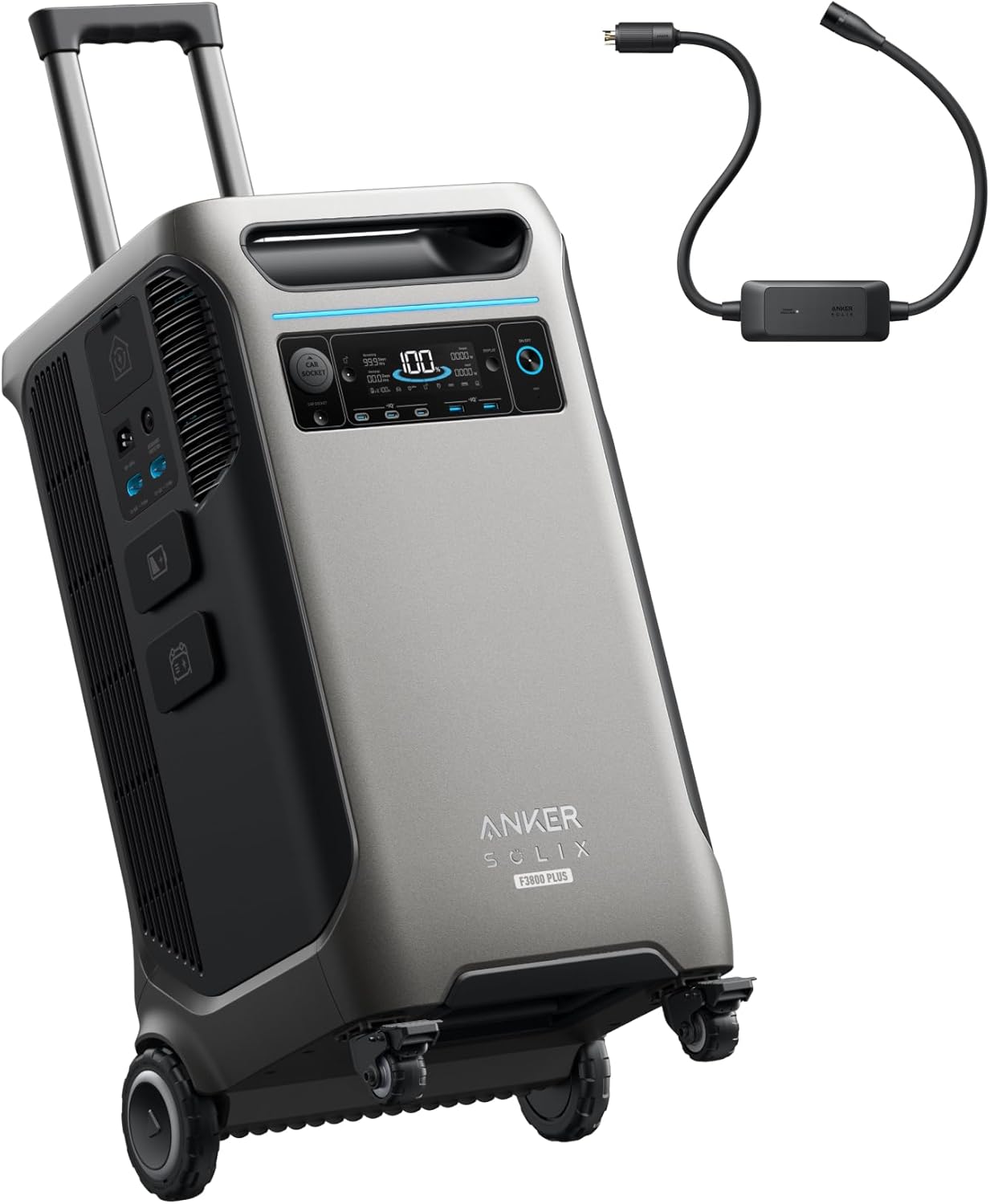
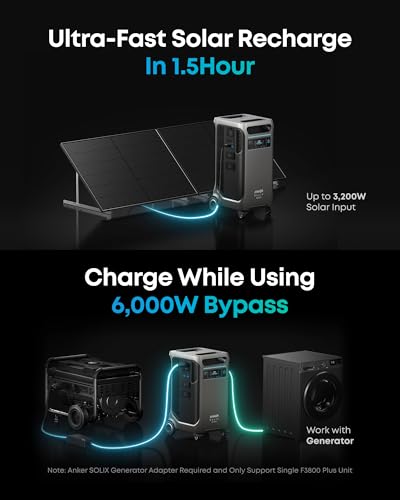
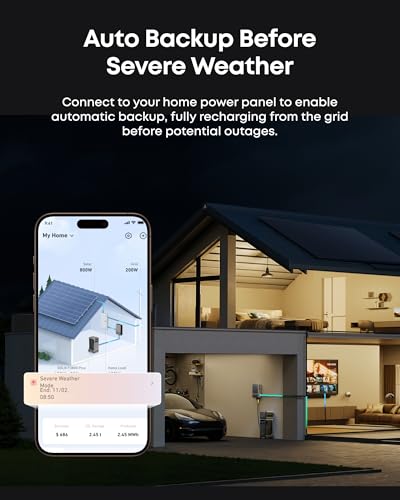
Anker SOLIX F3800 Plus Portable Power Station







As an Amazon Associate we earn from qualifying purchases. Product prices and availability are accurate as of the date/time indicated.
Specs Side by Side
| Spec | Tesla Powerwall 3 | Anker SOLIX X1 | Anker SOLIX F3800 Plus |
|---|---|---|---|
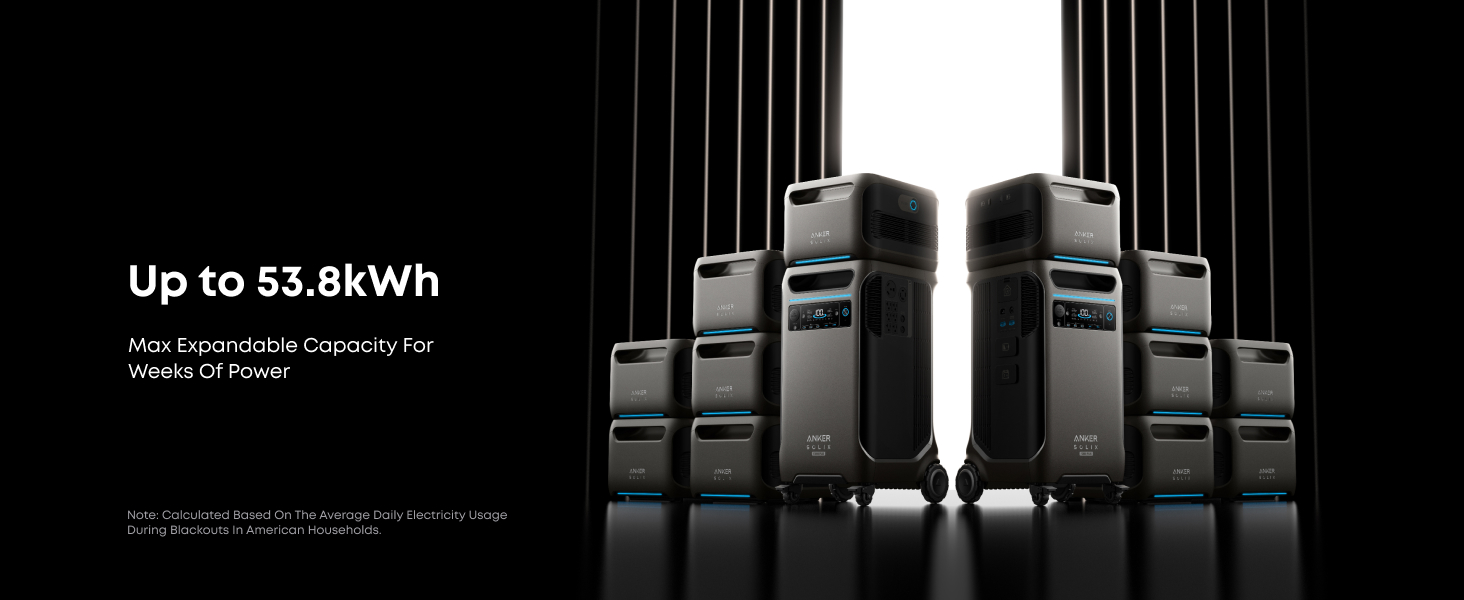
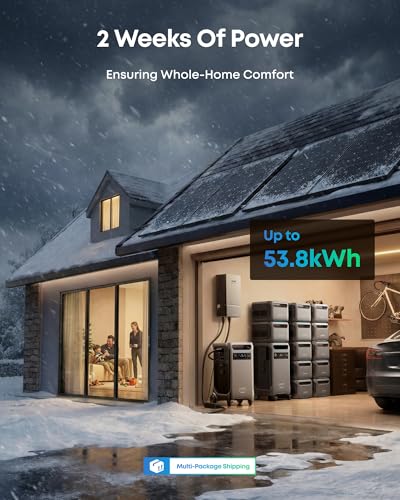
| Energy | 13.5 kWh nominal, per unit | 5 kWh per module, up to 6 modules (30 kWh) per system | 3,840 Wh; up to 6 expansion batteries |
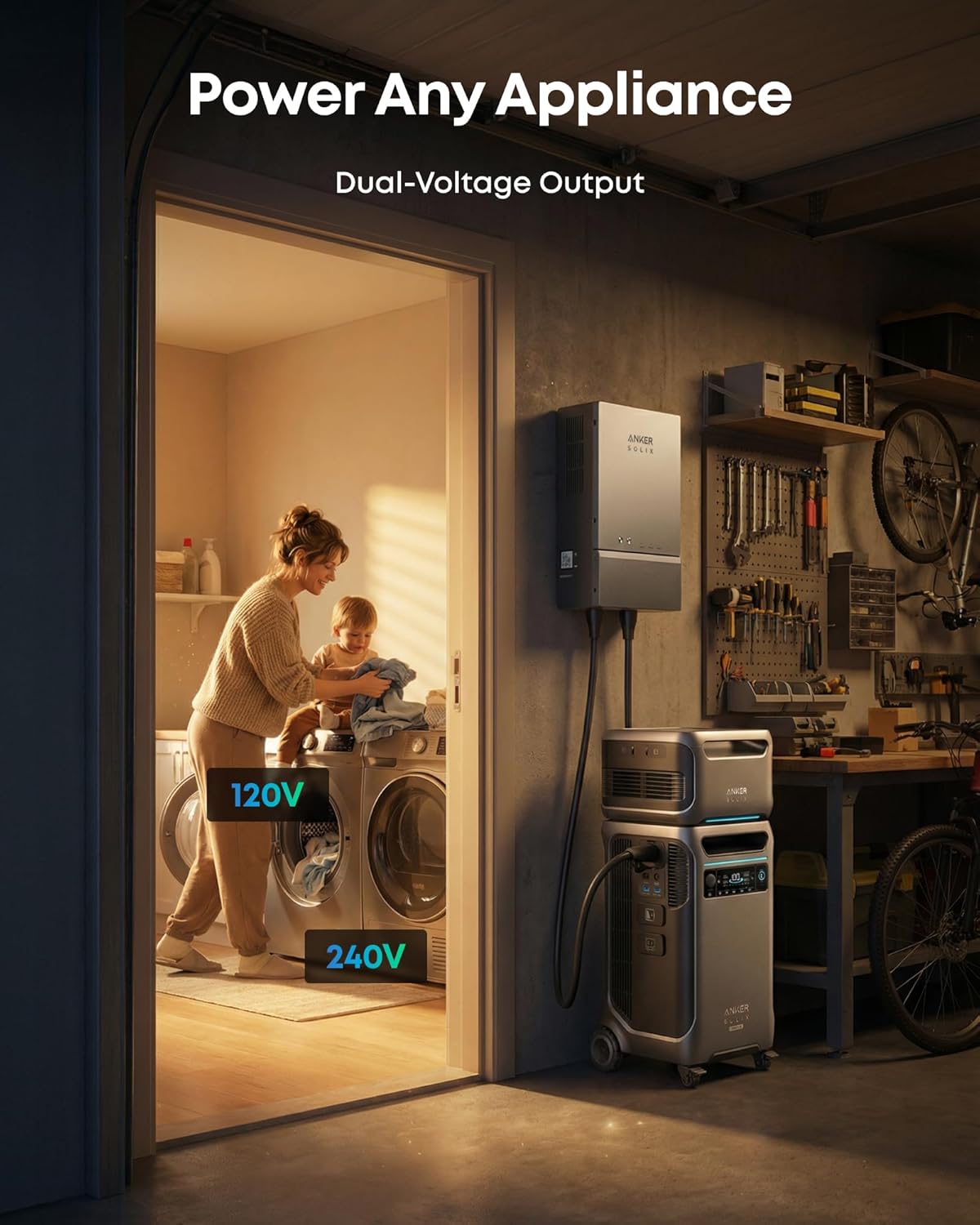
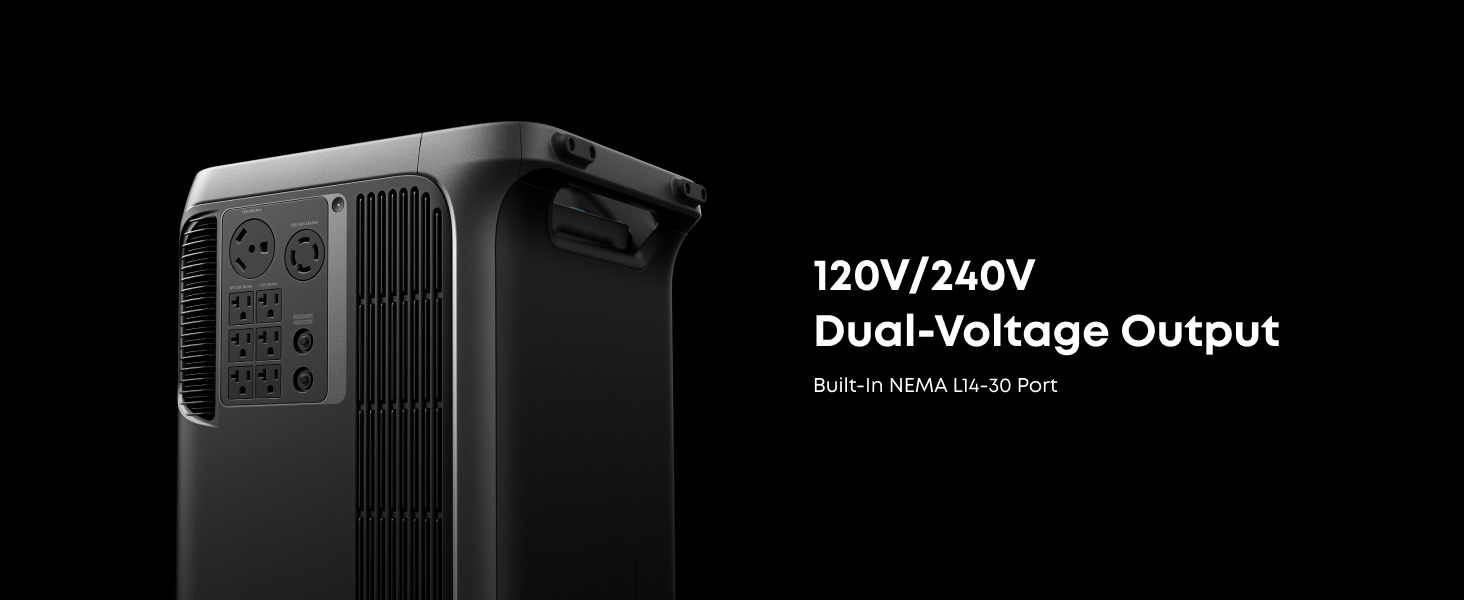
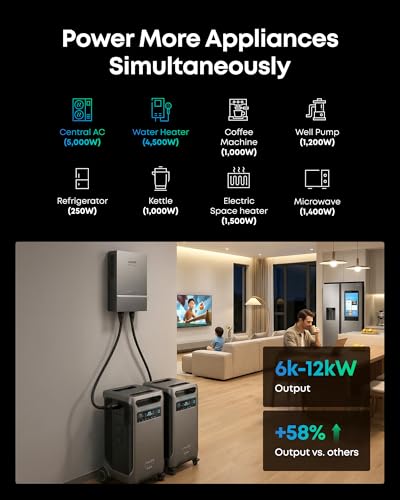
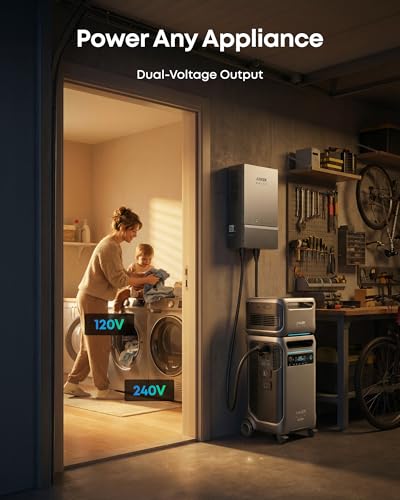
| Continuous output | Up to 11.5 kW per unit (5.8 to 11.5 kW by model) | 6.6 kW backup per system; 3 kW with 1 module, 6 kW with 2 | 6,000 W per unit, 120/240 V |
| Peak | 185 LRA motor start, per Tesla | 12 kW for 10 seconds (4.5 kW with 1 module) | Not on the page we read |
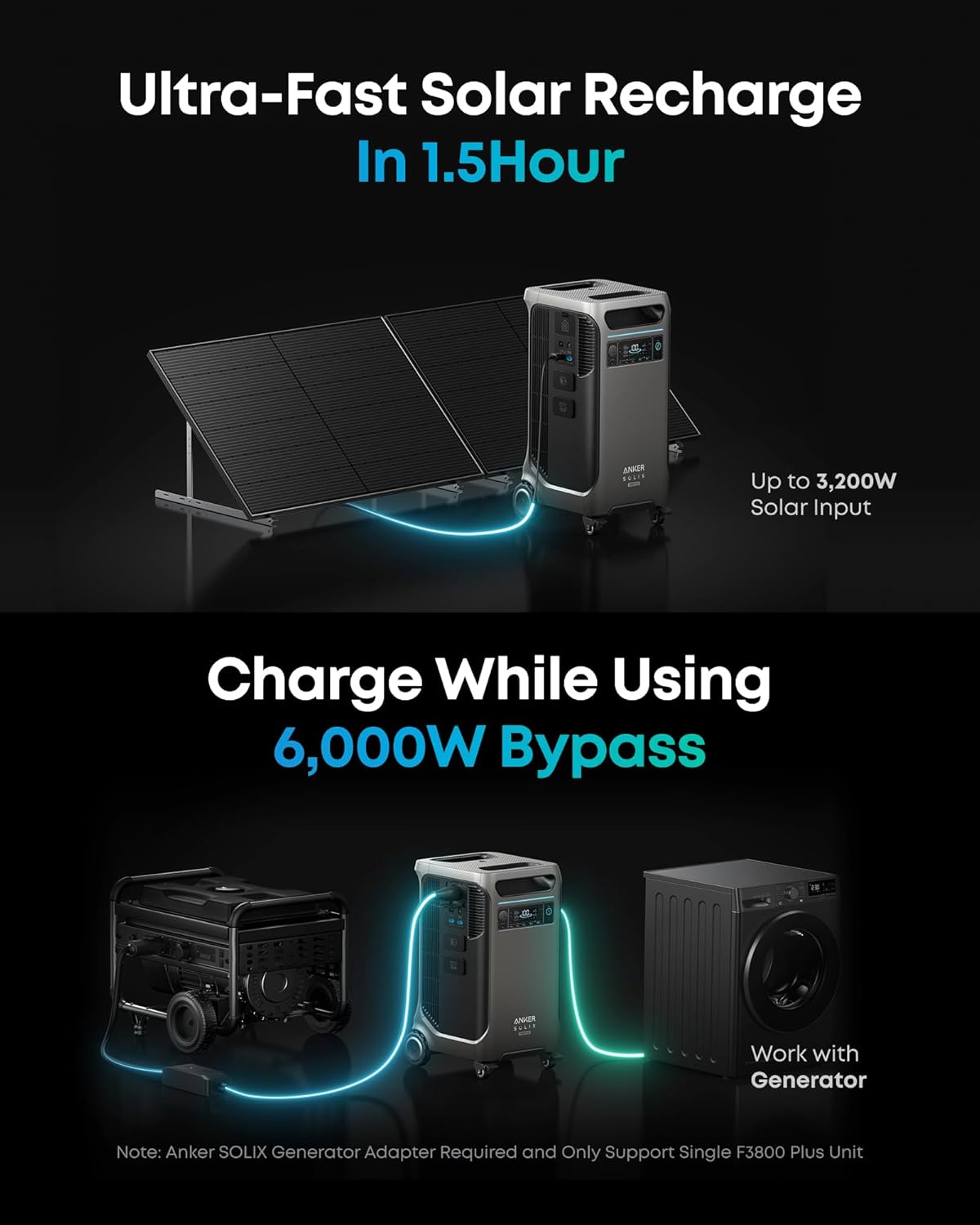
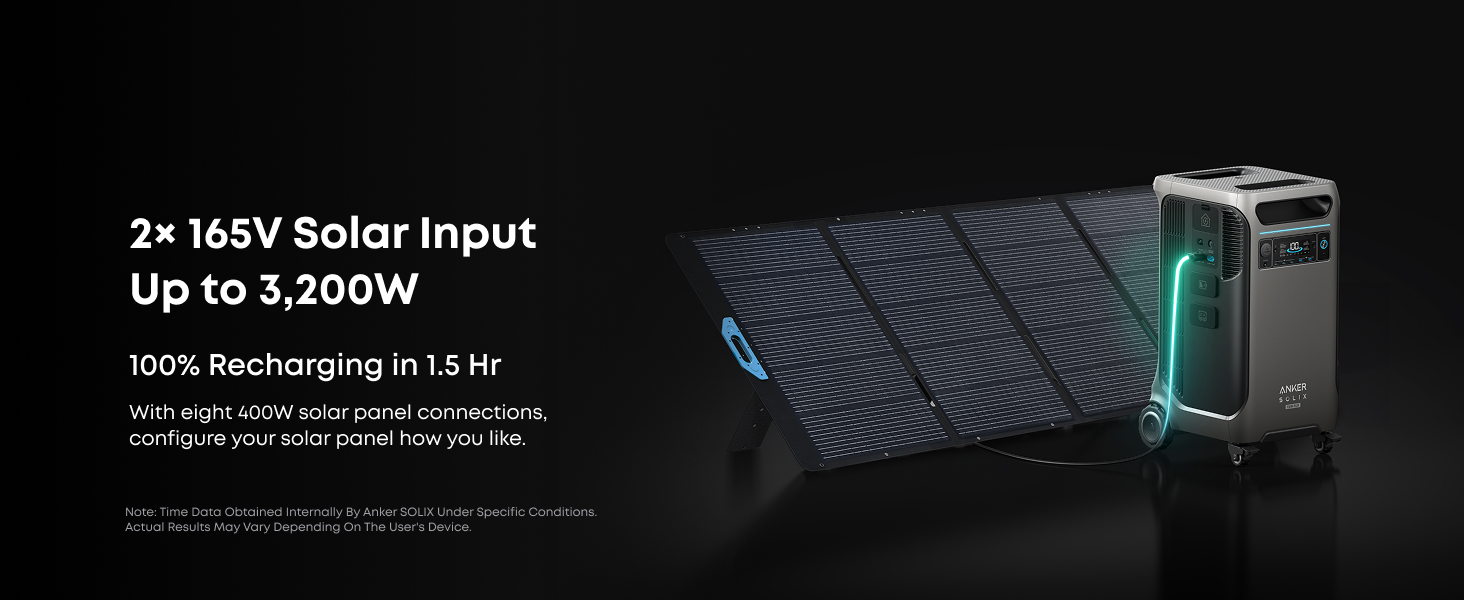
| Solar | Up to 20 kW DC (STC), built in | Not stated on the page we read | 3,200 W, 11 to 165 V |
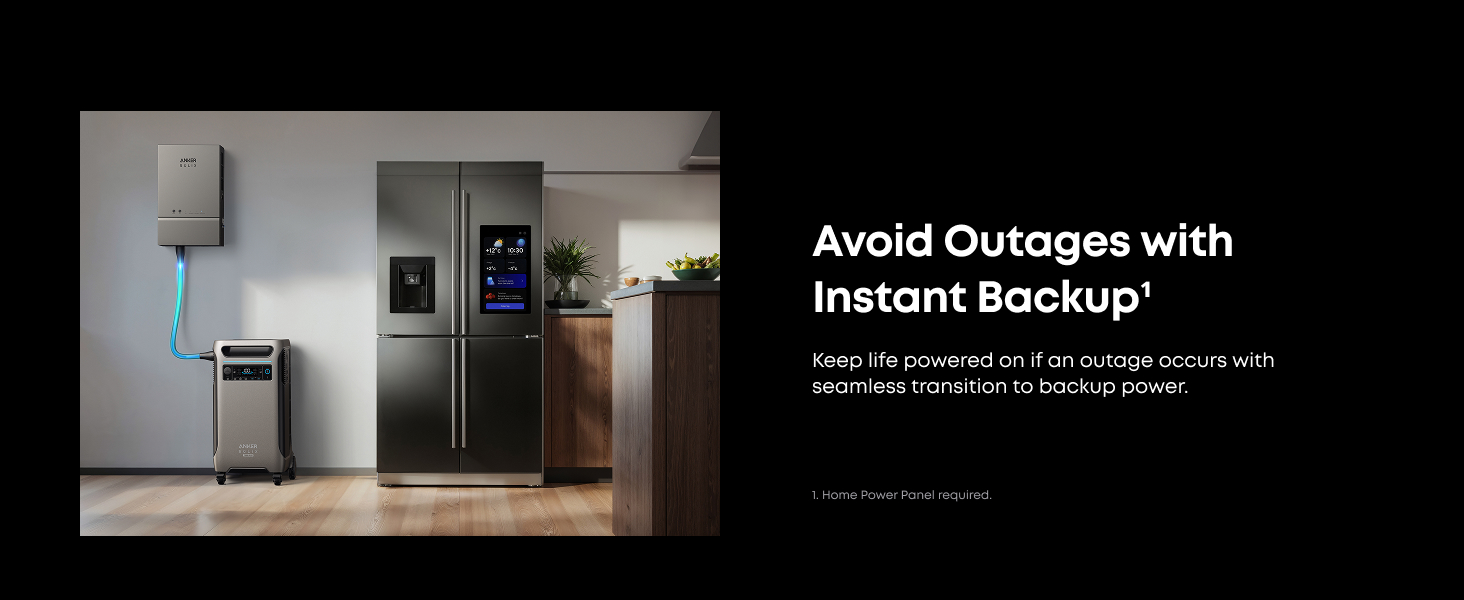
| Installation | Certified installer | Installer network | Plug-in; panel link needs an electrician |
| Warranty | 10 years, per Tesla’s terms | 10 years | 5 years |
The Differences That Matter
1. Energy: One Unit vs Modules
Runtime = usable Wh / load. At a 1,000 W load, one Powerwall 3 gives 13,500 / 1,000 = 13.5 hours. Two X1 modules hold 10,000 Wh; with a 0.85 planning factor for inverter loss (our assumption, not Anker’s), that is 8,500 / 1,000 = 8.5 hours. To match 13.5 kWh you need 13,500 / (5,000 x 0.85) = 3.2, so 4 modules. Tesla’s 13.5 kWh is a nominal AC figure, so the comparison is approximate. See how long a home battery lasts.
2. Power and Motor Starts
The top Powerwall 3 model gives 11.5 / 6.6 = about 1.7 times the X1’s backup output, and 11.5 / 6 = about 1.9 times the F3800 Plus. Anker notes a soft starter is required when the X1 powers an air conditioner or heat pump off-grid. Tesla rates motor starts at 185 LRA (locked-rotor amps); compare that with the compressor nameplate and ask the installer.
3. Solar and Installation
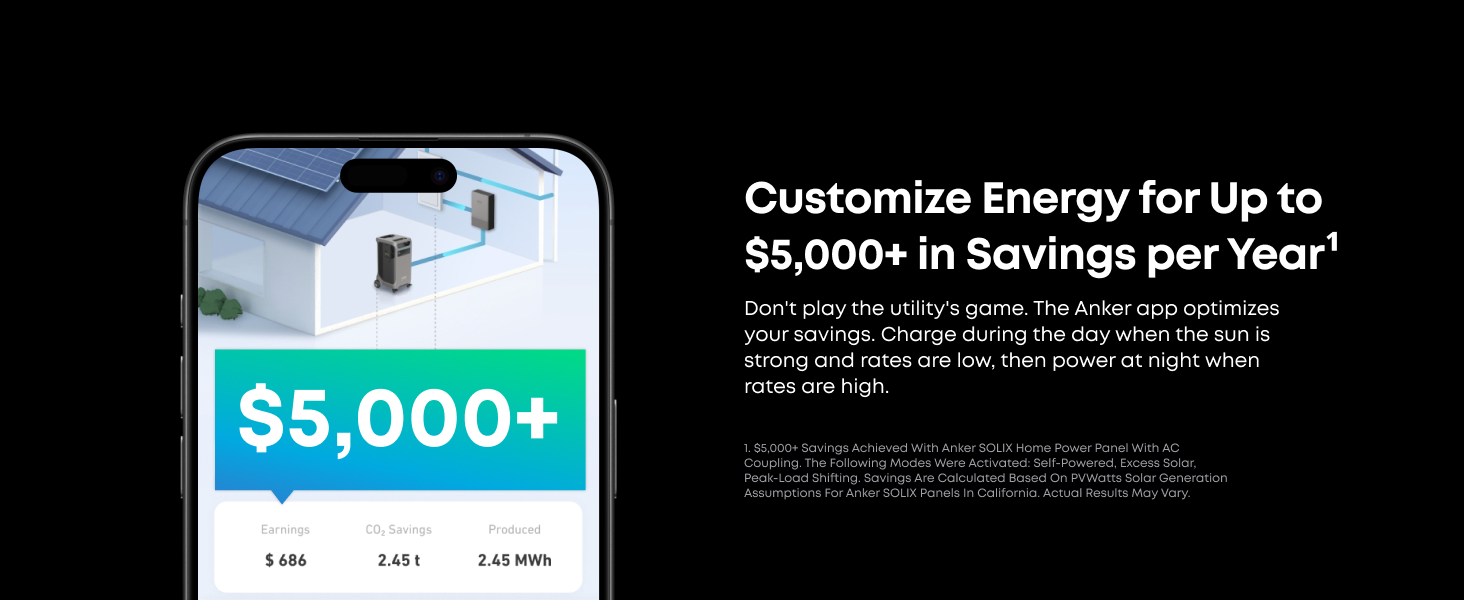
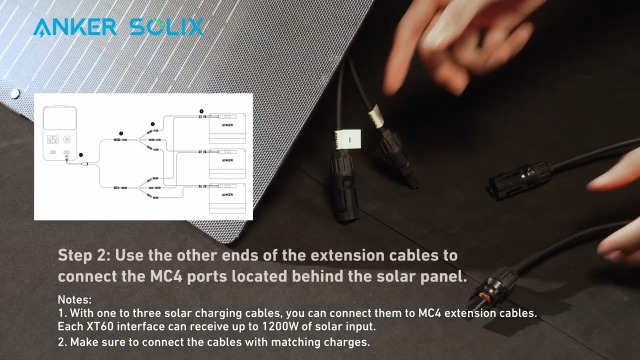
Tesla lists up to 20 kW DC of solar built in. The F3800 Plus takes 3,200 W of panels through its own ports. We did not find an X1 solar figure on the Anker page we read, so ask the installer. Wiring the Powerwall 3 or X1 into a panel is licensed work; our transfer switch basics explain the concept.
4. Warranty Terms
Tesla and Anker both list 10 years for their installed batteries; the F3800 Plus is 5. Tesla’s Powerwall 3 owner manual says the full term needs a reliable internet connection and may be limited to 4 years if the unit stays offline for a long time. Read each warranty document before you sign.
Choose the Powerwall 3 If
- You own the home long term and want 13.5 kWh and up to 11.5 kW in one unit with solar built in.
- You want more than 6.6 kW from a single unit.
- Avoid if you rent or may move soon.
Choose Anker SOLIX If
- X1: you want to add 5 kWh at a time to an installed system. Avoid if you need more than 6.6 kW and your installer cannot link systems; Anker’s spec table lists up to 6 systems in parallel (36 kW), which its footnote calls planned for Q2 2025.
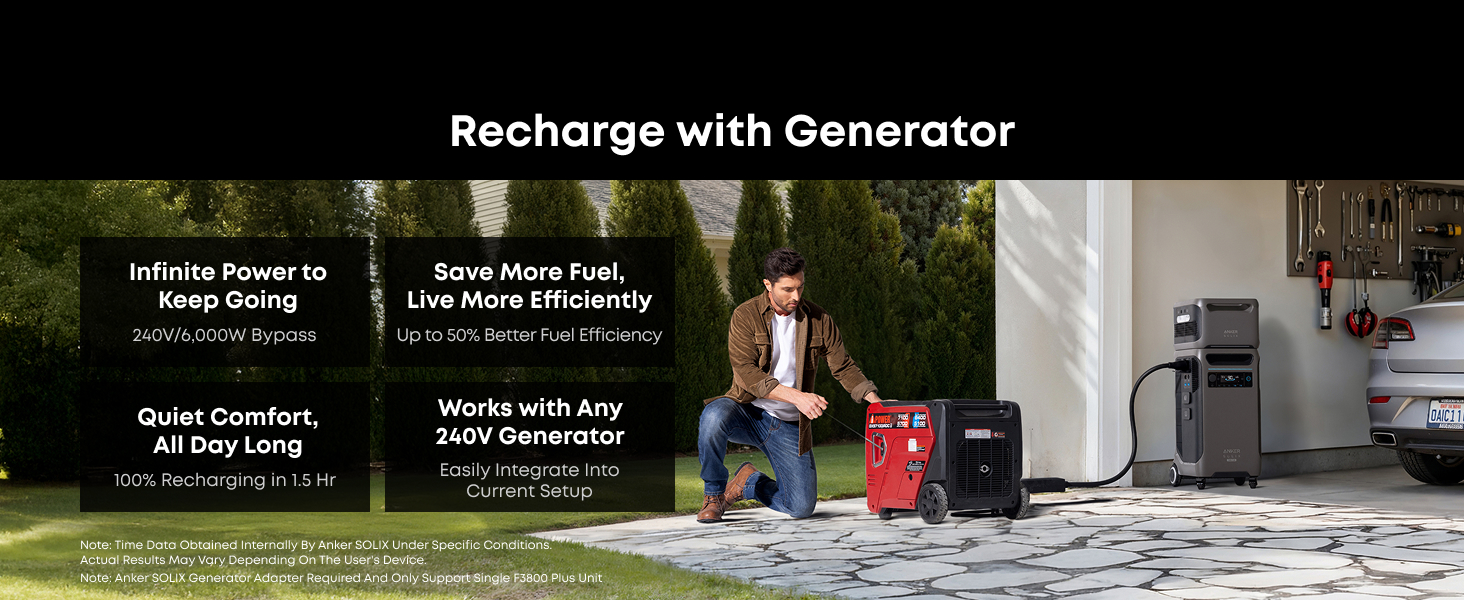
- F3800 Plus: you want 3,840 Wh you can move and expand later. Avoid if your simultaneous load tops 6,000 W; Anker lists 12,000 W only for two units with its Smart Home Power Kit. See F3800 Plus vs DELTA Pro Ultra.
For the other Tesla matchup, read DELTA Pro Ultra vs Powerwall 3, and for the wider decision whole-home battery backup options.
FAQ
Is the Powerwall 3 on Amazon?
No. Tesla sells it through its own channels and installers, so there is no store link here.
Is there a tax credit for either one?
The IRS shows no residential credit for property placed in service after December 31, 2025. See the tax credit explainer.
Can the F3800 Plus run a whole house?
One unit covers loads within 6,000 W; Anker lists 12,000 W for two units paired with its Smart Home Power Kit. Add up your running watts first.
Changelog: November 2026: first published.









