


Neither brand wins every line, so choose by how the house is powered and how often you want to open a battery drawer. First Alert’s battery combo alarm runs on one replaceable 9 V; Kidde’s 10-year model has a built-in battery with no changes for 10 years. The sensor type and interconnect style decide the rest, not the logo.

Prime First Alert Battery Combination Smoke & Carbon





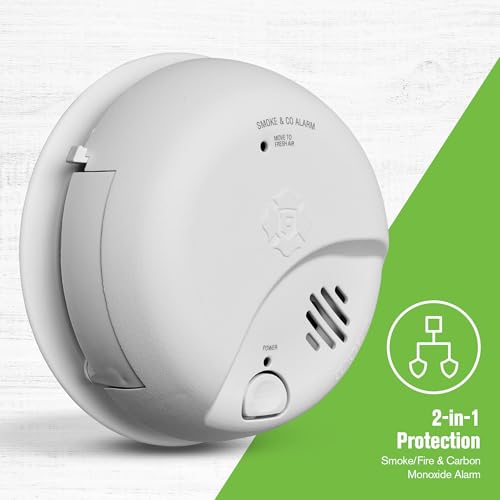
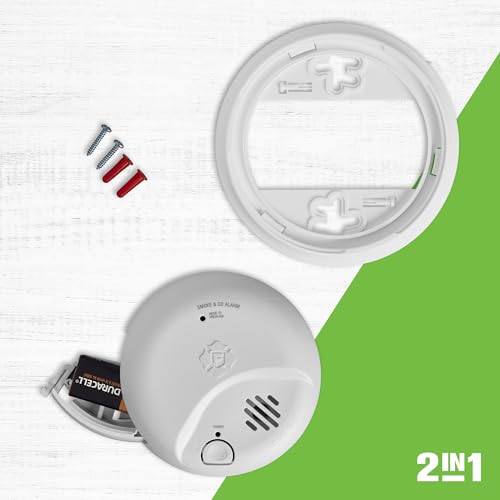
As an Amazon Associate we earn from qualifying purchases. Product prices and availability are accurate as of the date/time indicated.

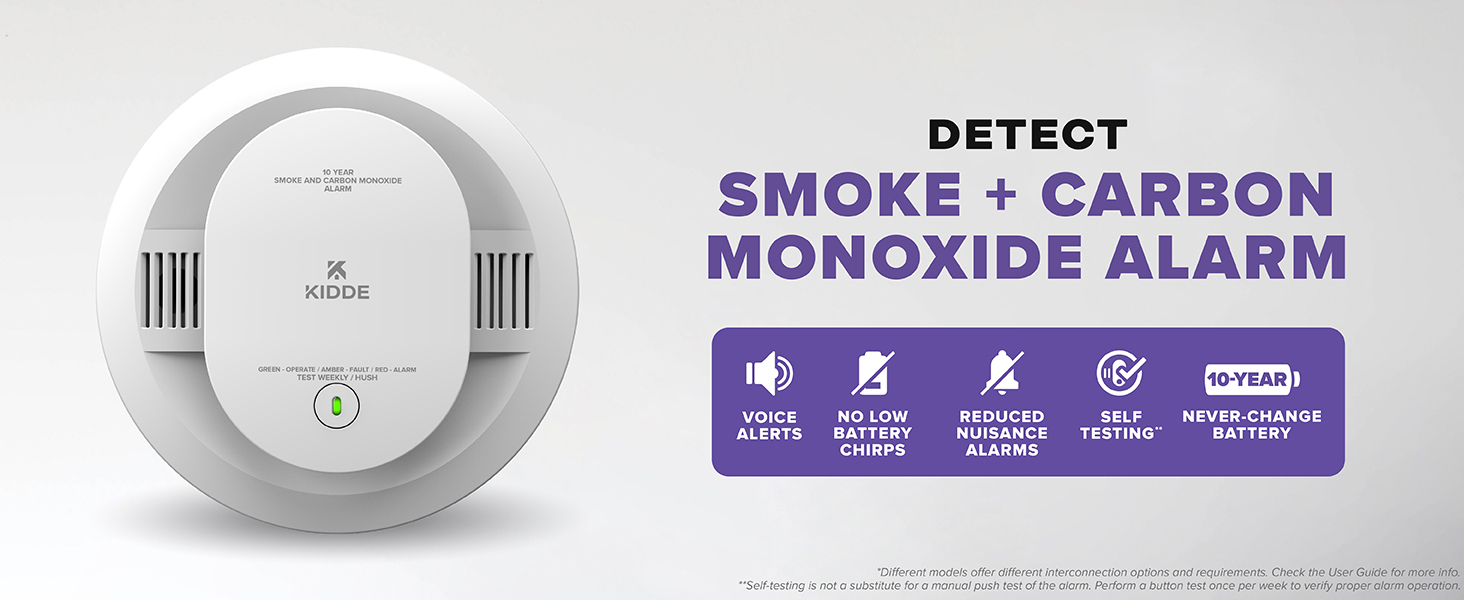
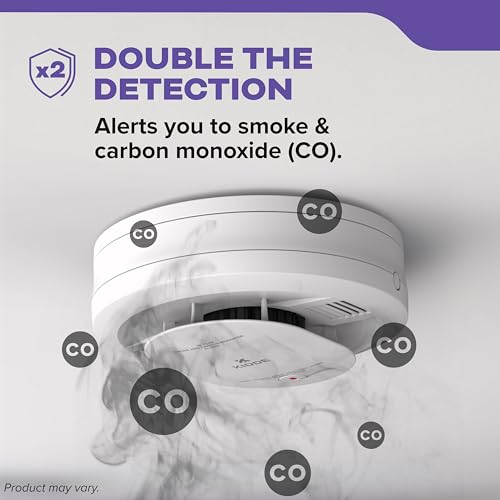
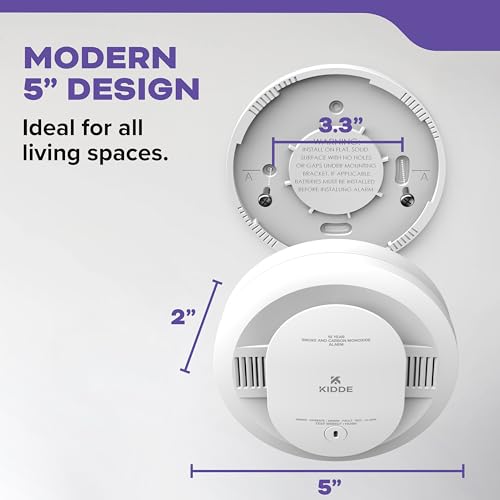
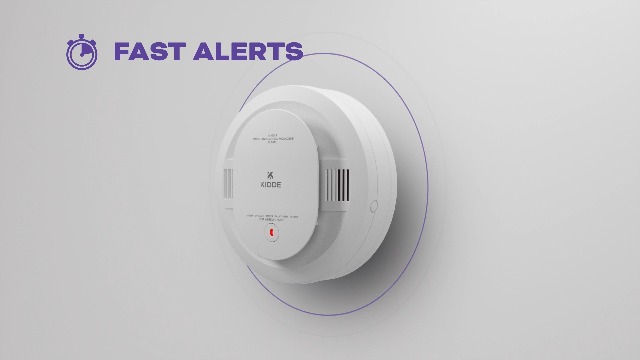
Prime Kidde Smoke & Carbon Monoxide Detector








As an Amazon Associate we earn from qualifying purchases. Product prices and availability are accurate as of the date/time indicated.
Side by side
| First Alert SMICO100 | Kidde 30CUD10-V | |
|---|---|---|
| Detects | Smoke and CO | Smoke and CO |
| Smoke sensor | Ionization (First Alert spec sheet) | Kidde’s page says “enhanced sensing technology” and does not name the sensor |
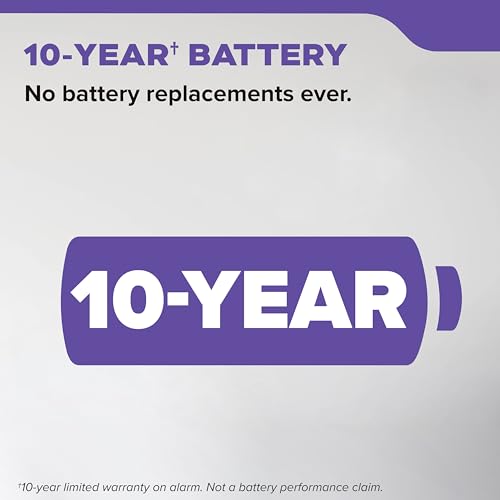
| Power | One replaceable 9 V alkaline | Built-in 10-year battery, “no battery changes for 10 years” (Kidde page) |
| Warranty | 10 years limited (First Alert) | 10 years limited, which Kidde says is not a battery claim |
| Loudness | 85 dB at 10 ft (First Alert) | 85 dB per the listing |
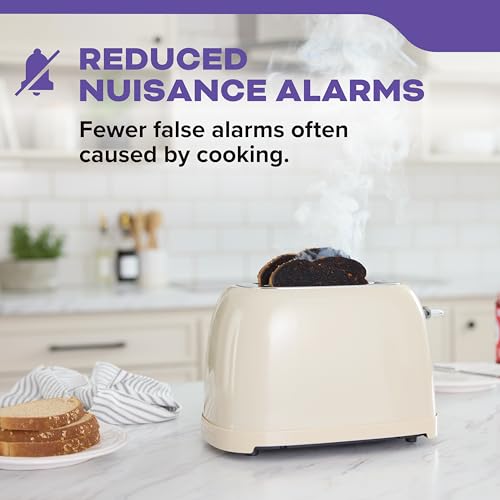
| Cooking false alarms | First Alert says Precision Detection reduces them | Kidde says its sensing reduces them |
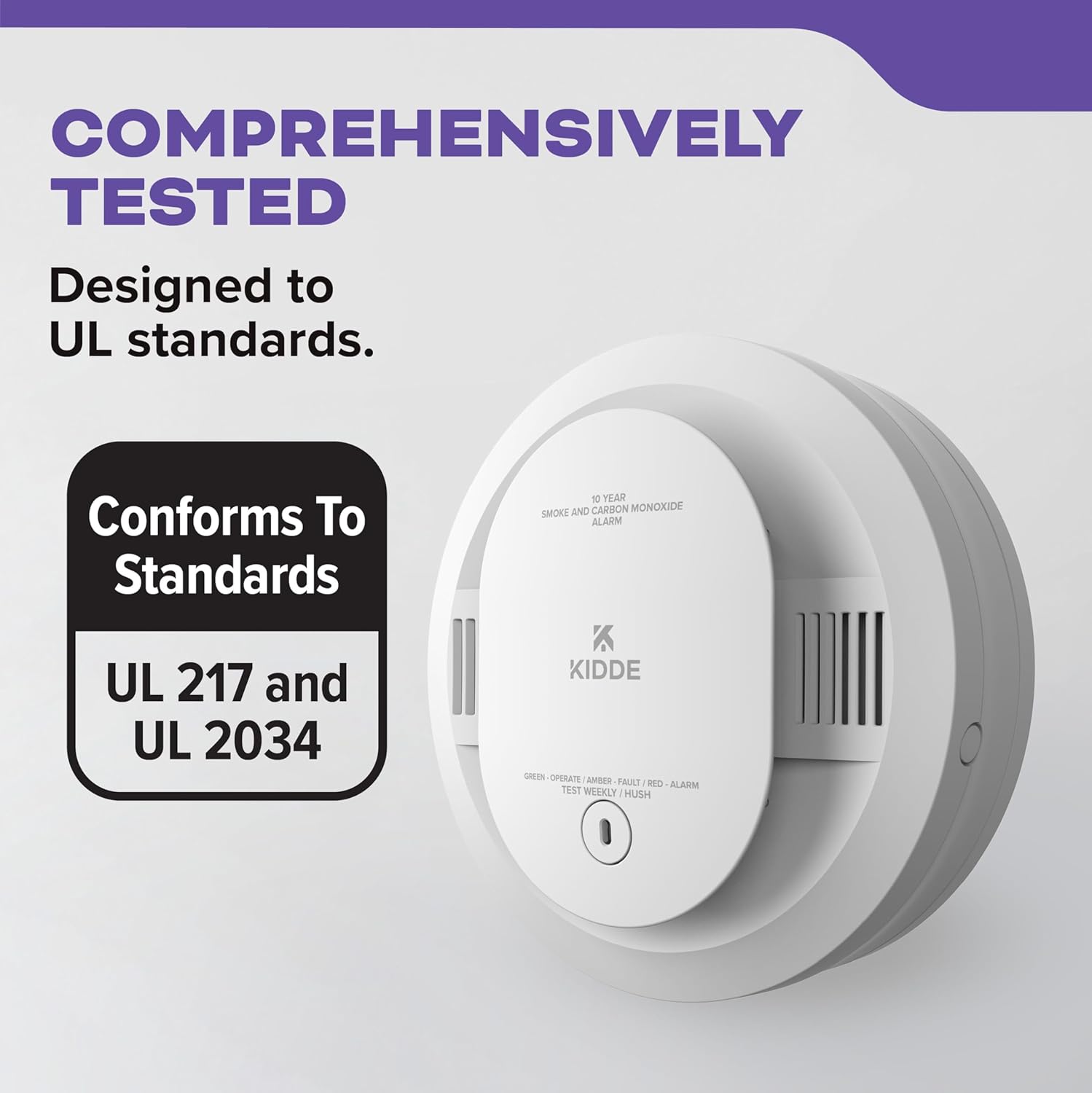
| Listed to | UL 217 and UL 2034 (spec sheet) | UL 217 10th Edition per the listing |
Four differences that matter
Sensor type
First Alert names ionization for the SMICO100. NFPA says ionization responds faster to flaming fires and photoelectric to smoldering ones, and suggests both types or a dual-sensor alarm. Kidde’s pages for its AA and 10-year combo alarms do not name the sensor, so read the model’s manual before assuming either. The photoelectric vs ionization guide covers the trade-off.
Battery routine
Kidde’s page for the AA-powered 30CUDR says to change batteries every 6 months. In a six-alarm home that adds up over 10 years: 6 alarms x 2 AA x 2 changes a year x 10 years = 240 AA cells. A built-in 10-year battery replaces that with one swap of the whole unit at year 10. The 9 V First Alert sits in between: you replace a battery when it chirps. See the 10-year battery picks.
Interconnect
The hardwired SMICO100-AC is listed as interconnecting with most First Alert and BRK alarms. Retailer listings show wire-free Kidde models, and the 20SDR-VRF smoke alarm is listed for up to 12 compatible alarms. Do not assume alarms from two brands talk to each other; confirm in both manuals. More in wireless interconnected alarms.
Kitchen false alarms
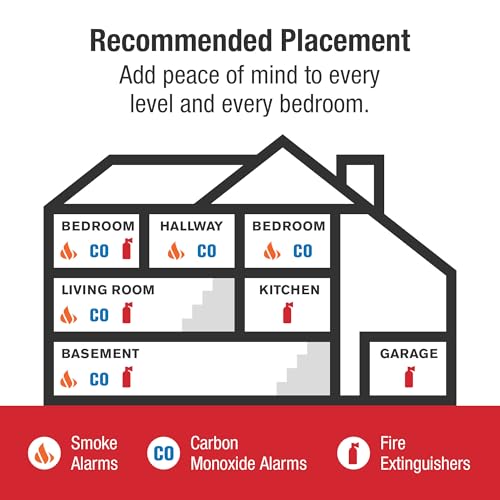
Both makers claim fewer cooking nuisance alarms, and neither claim comes with a head-to-head number. NFPA says to keep smoke alarms at least 10 ft from the stove. If a hallway alarm near the kitchen keeps sounding, read smoke alarms for kitchens before swapping brands.
Choose First Alert if
- You want an ionization sensor plus CO in one battery unit that takes a standard 9 V.
- You already own First Alert or BRK alarms and want a hardwired replacement in the same family.
- Avoid if you want a built-in battery; the SMICO100 uses a replaceable 9 V.
Choose Kidde if
- You want a built-in battery and no changes for the alarm’s life.
- You want wire-free interconnect without opening walls, using Kidde’s VRF models.
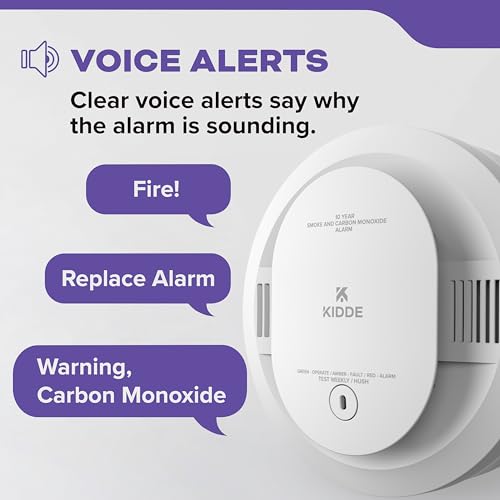
- You want voice alerts, which the 30CUD10-V listing includes.
- Avoid if you need a named ionization sensor; Kidde’s pages do not state the type.
Both brands also sell app-connected alarms; the smart smoke detector guide compares them.
FAQ
Which brand has fewer false alarms?
No source I found compares them directly. Each maker says its newer sensing reduces cooking alarms, so placement matters more than brand.
How long does either alarm last?
NFPA says to replace smoke alarms 10 years after the manufacture date. A combination alarm also has a CO sensor with its own end-of-life warning, so follow the model’s manual.
Can I mix First Alert and Kidde in one home?
Yes as standalone alarms. Interconnect between brands works only if both makers’ documentation says so.
Changelog: November 2026: first published.









