Neither type wins outright. Ionization alarms respond faster to flaming fires, photoelectric alarms respond faster to smoldering ones, and the best protection is both types in the home, either as two alarms or one dual-sensor unit. If you must pick one type for a spot near the kitchen or a bathroom, NFPA says photoelectric is the better choice because it reduces nuisance alarms.

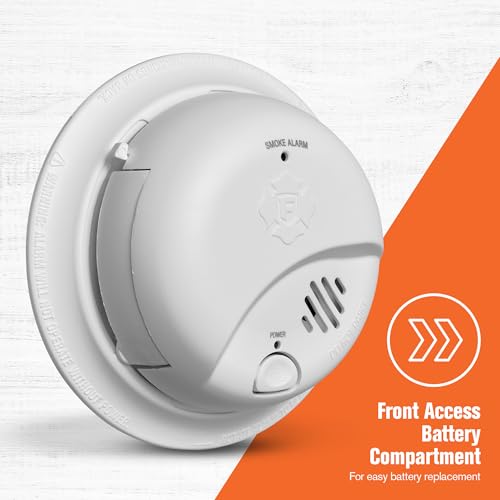
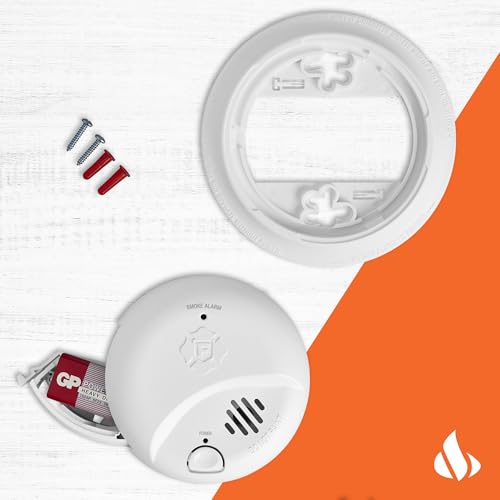
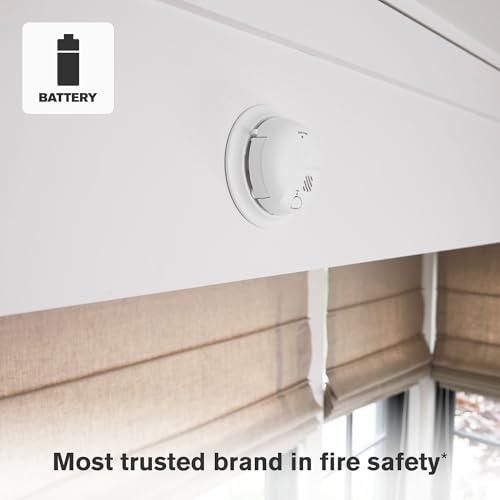
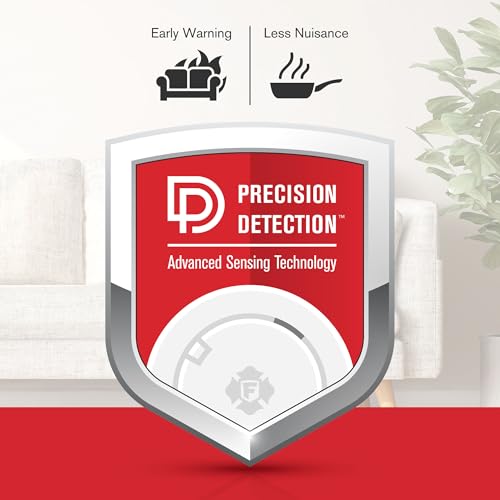
Prime First Alert Battery Smoke Alarm




As an Amazon Associate we earn from qualifying purchases. Product prices and availability are accurate as of the date/time indicated.
Side by side
| Photoelectric | Ionization | |
|---|---|---|
| Responds faster to | Smoldering fires | Flaming fires |
| Near kitchen or bathroom | NFPA: the best type to install there, to reduce nuisance alarms | Not the type NFPA names for those spots |
| Example model | Check the box or manual; the label must say photoelectric | First Alert SMI100 (maker page: ionization, 9 V battery, 85 dB at 10 ft) |
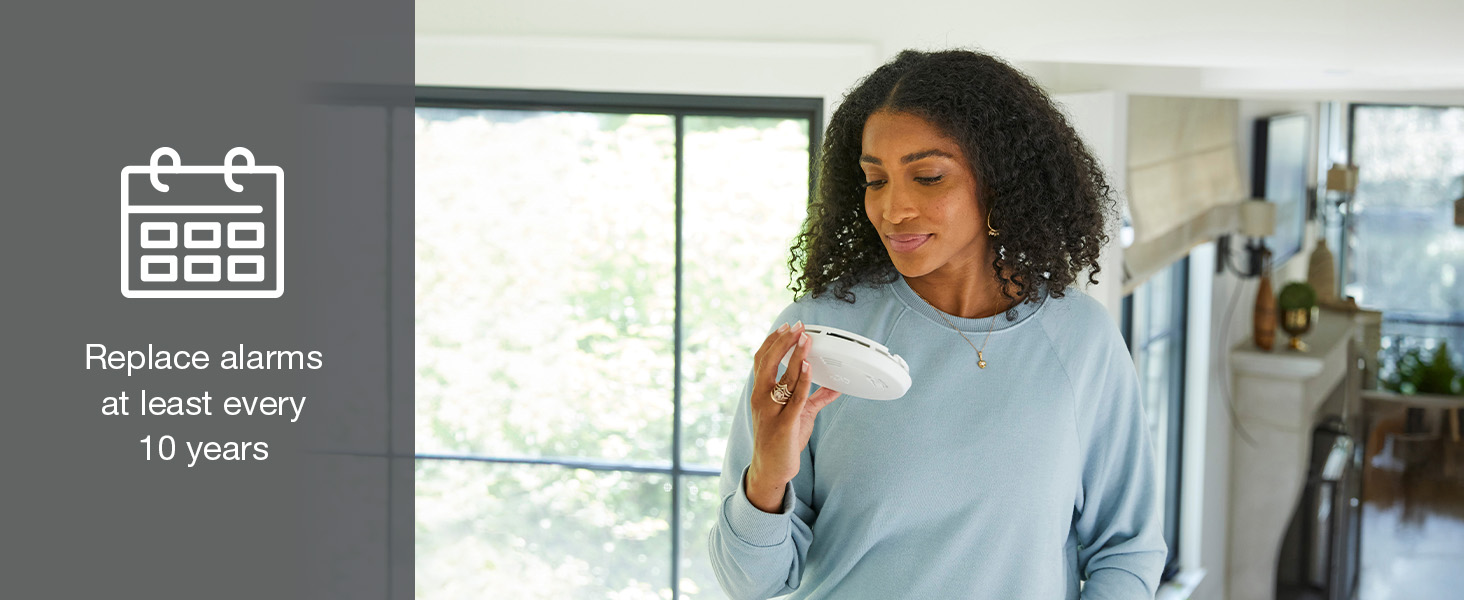
| Replace | 10 years from the manufacture date, per NFPA | 10 years from the manufacture date, per NFPA |
The differences that matter
1. Which fire each one catches first
NFPA’s smoke alarm guidance says ionization alarms are more responsive to flaming fires and photoelectric alarms are more responsive to smoldering fires. A house fire can begin either way, and you cannot know which in advance. That is the reason for covering both, not for picking a winner.
2. False alarms near the kitchen
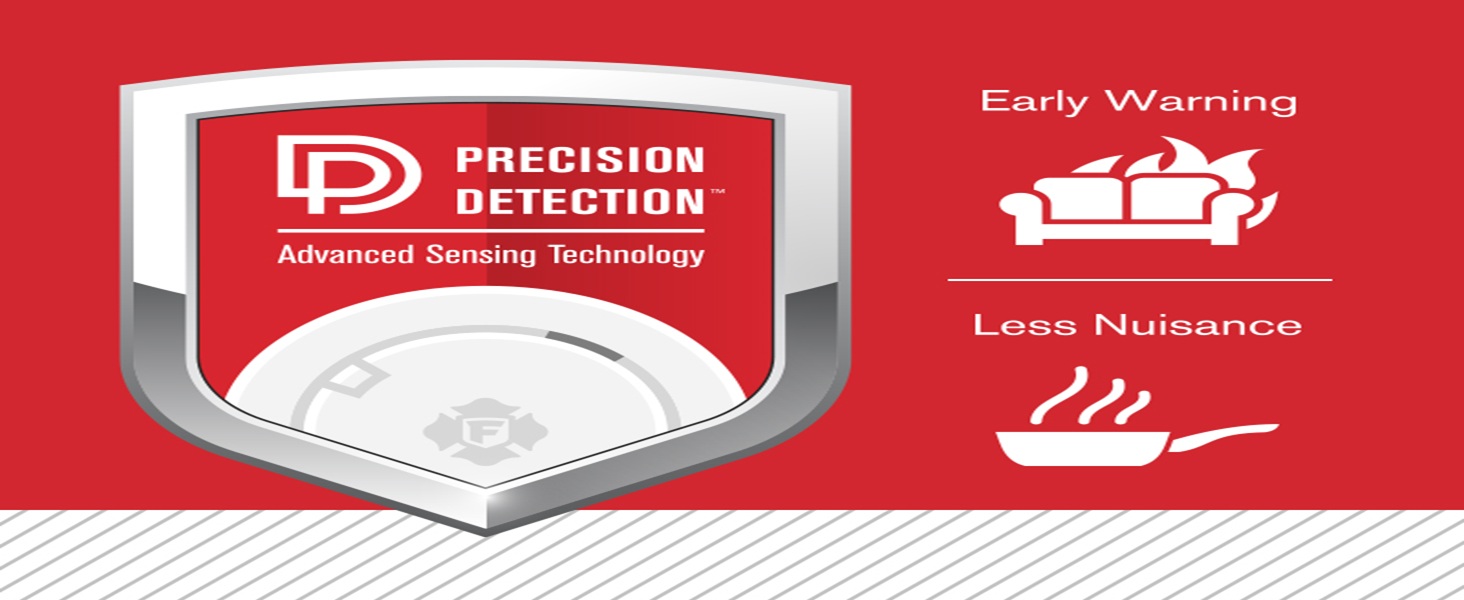
NFPA says photoelectric alarms are the best type near kitchens and bathrooms, and it advises keeping every smoke alarm at least 10 feet (3 meters) from the stove. NFPA also notes that newer multi-criteria alarms say “helps reduce cooking nuisance alarms” on the package.
3. How to get both types
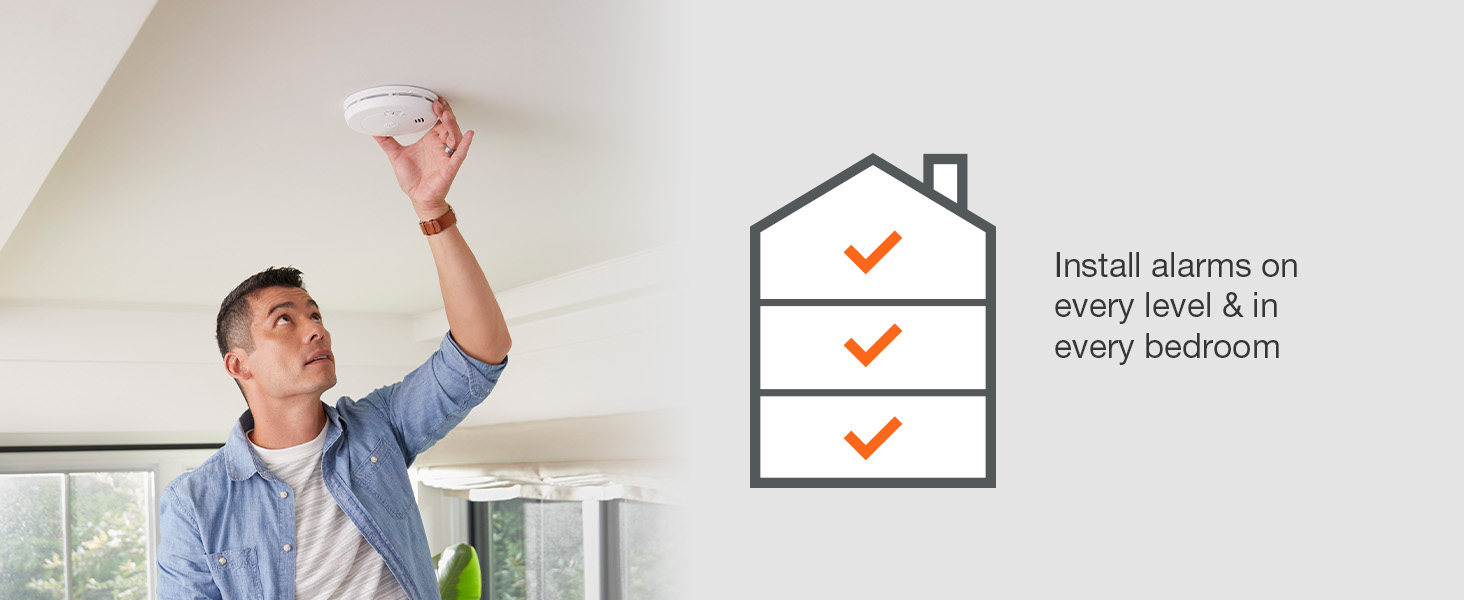
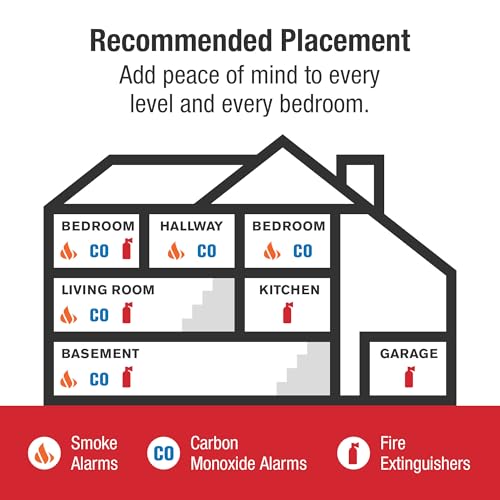
You have three routes, and each is simple arithmetic. Take a two-story house with three bedrooms off one upstairs hallway, a main floor, and a basement, which needs six alarms by NFPA’s placement rules (3 bedrooms + 1 hallway + 1 main floor + 1 basement = 6).
- Dual-sensor alarms: six units, every spot covers both fire types.
- Mixed single-sensor alarms: photoelectric near the kitchen and hallways, ionization in the bedrooms, or the reverse, so the house holds both types.
- Replace as they expire: check the manufacture date on the back of each alarm, and when one reaches 10 years, buy the type your house is missing.
Our guide to carbon monoxide detector vs smoke detector covers the combination units that add a CO sensor, and best smoke and carbon monoxide detectors compares specific models.
4. Wiring and interconnection
The sensor type does not decide this. NFPA says the best protection is interconnected alarms, so when one sounds they all sound, and that only qualified electricians should install hardwired alarms. Sealed long-life models usually cannot interconnect, per NFPA’s installation guide.
Choose photoelectric if / Choose ionization if
- Choose photoelectric if the alarm sits in a hallway near the kitchen, near a bathroom, or anywhere cooking or steam has set off alarms before.
- Choose ionization if your house already has photoelectric alarms everywhere and you want the other sensing type in bedrooms or living areas.
- Avoid if you plan to rely on a single type everywhere: NFPA recommends covering both.
- Choose dual-sensor if you are replacing alarms anyway and want both types in each spot without tracking which is which.
FAQ
Which is better, photoelectric or ionization?
Neither alone. NFPA recommends both types or dual-sensor alarms, with photoelectric favored near kitchens and bathrooms.
How do I know which type I have?
Read the label on the alarm or its manual, since the type is printed there. If it is not listed, look up the model number on the maker’s site, and treat an unknown alarm as a reason to replace it if it is 10 years old.
Does the type change how long the alarm lasts?
No. NFPA says to replace smoke alarms 10 years after the manufacture date, whichever sensor they use.
Changelog: November 2026: first published.