Before the first cook, run the empty smoker through the burn-in your manufacturer’s manual describes, then smoke something forgiving like chicken thighs or a pork shoulder. The burn-in burns off factory oils and coatings. The manual’s schedule beats any forum recipe, because electric, pellet, charcoal, and propane smokers each get a different one.
Seasoning Is a Manual Step, Not a Universal One
Traeger’s published burn-in for WiFIRE models is 350°F for 20 minutes, then 450 to 500°F for 30 minutes, about 1.5 hours in all. Electric smoker manuals, such as Masterbuilt’s, usually have their own burn-in with a set temperature, a set run time, and a note on the water pan and wood chips, and the numbers differ by model. Those are different numbers for different machines. Find your model’s manual and follow it. A pellet grill walkthrough is in how to season a pellet grill.
| Smoker type | What the burn-in does | Where the numbers come from |
|---|---|---|
| Pellet | Primes the auger, burns off residue | Brand manual or brand site |
| Electric | Runs the element and thermostat, burns off residue | Model manual |
| Charcoal or offset | Burns off residue; many makers also say to coat the interior with oil | Model manual |
| Propane | Burns off residue after a leak check | Model manual |
Pick the type that fits your household first with electric vs pellet vs propane smokers.
Set It Up Outdoors
- Place the smoker outdoors, on level ground, well clear of the house, deck rail, eaves, and branches, per NFPA grilling guidance.
- Never use a grill indoors or in a garage, breezeway, carport, porch or under a surface that will burn (CPSC). Charcoal and propane give off carbon monoxide; see why you can’t grill indoors.
- Propane unit: brush soapy water on every connection with the valve open. Bubbles mean a leak. Steps are in how to check a propane grill for leaks.
- Keep kids and pets at least 3 ft from the hot cooker, and never leave it unattended.
The First Cook
- Thaw fully. USDA FSIS says to thaw meat completely before smoking. A frozen center stays in the danger zone too long.
- Hold 225 to 300°F. FSIS recommends keeping the smoker air temperature in that range throughout the cook. Lower runs risk a long time in the danger zone.
- Use two thermometers: one in the meat, one measuring smoker air. Built-in lid dials often read off; see best meat thermometers for smoking.
- Cook to temperature, not clock. Whole cuts of pork reach the USDA minimum at 145°F with a 3 minute rest. Poultry needs 165°F and ground meat 160°F.
- Finish what you start. Do not stop a cook partway and resume later.
- Chill leftovers within 2 hours of cooking.
Time example: a 5 lb pork shoulder at 225°F is a long day, not a lunch. Plan the schedule in how to smoke pork shoulder.
Common First-Timer Mistakes
- Skipping the burn-in, then tasting factory residue in the first batch.
- Opening the lid every 20 minutes. Each look drops the temperature and stretches the cook.
- Piling on wood. Thin, pale smoke is the goal; start with small amounts of mild wood.
- Trusting the lid dial instead of a probe.
- Dumping hot ashes in the trash. Let coals cool fully, then store them in a metal container with a tight lid.
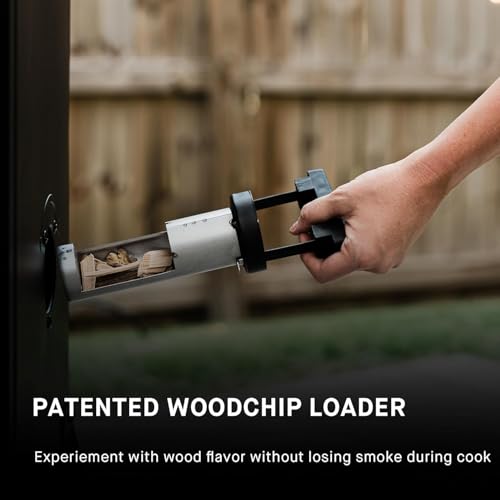
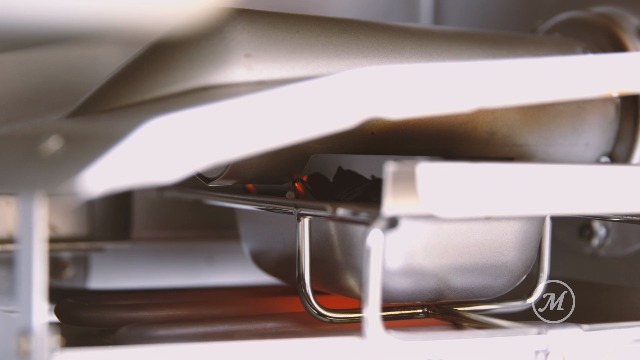
A plug-in electric is the easiest place to learn the routine. Owners of the electric smokers we compare mostly praise the set-and-hold temperature control, and you can browse more options in best smokers for beginners.
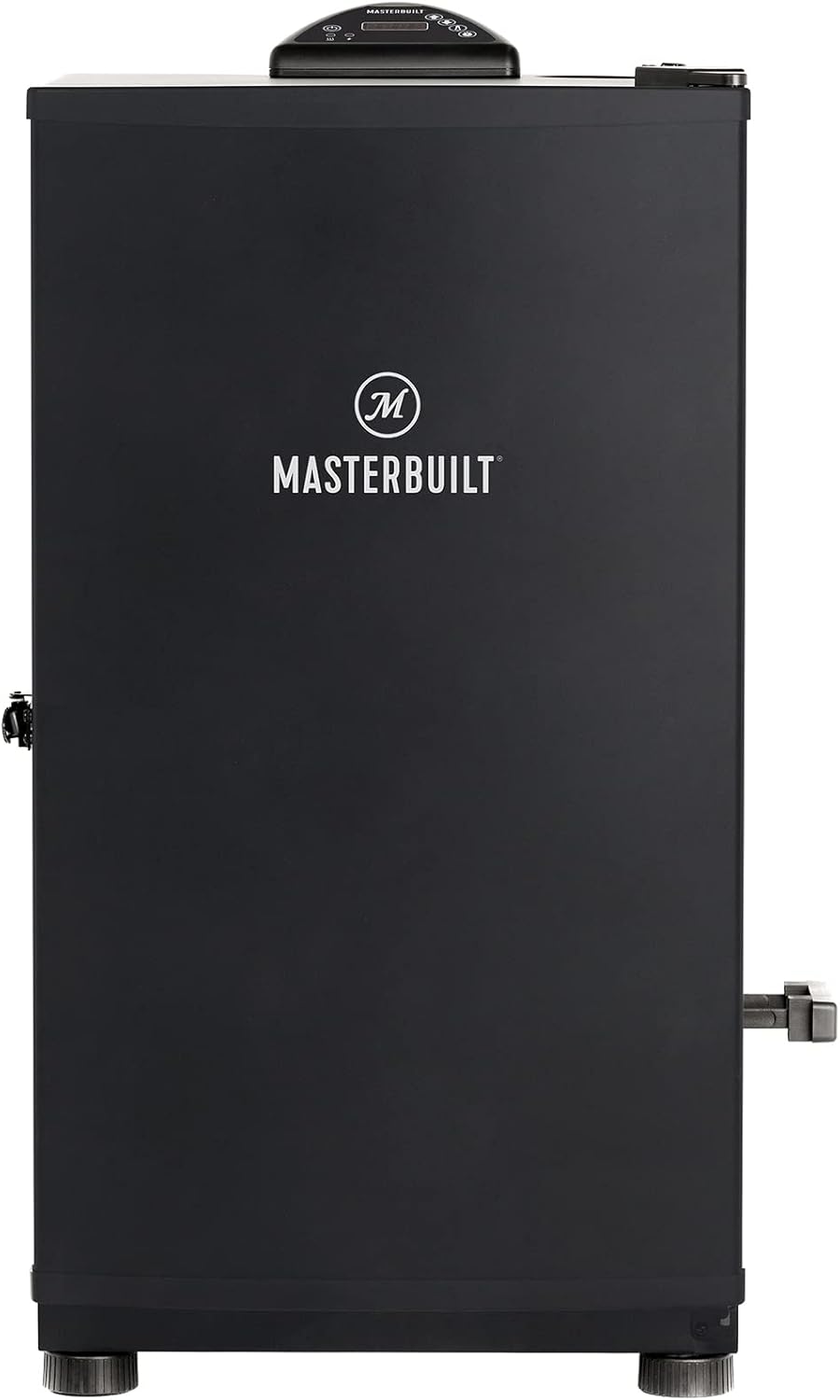
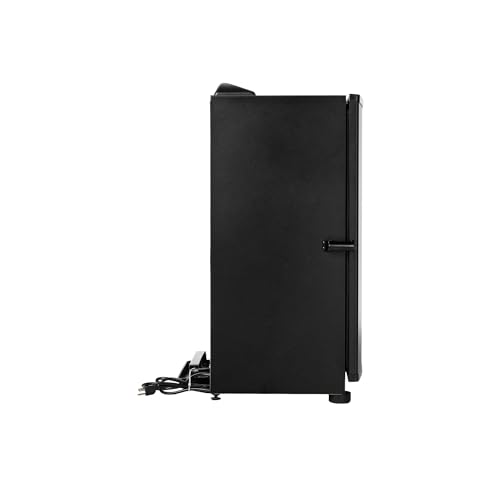
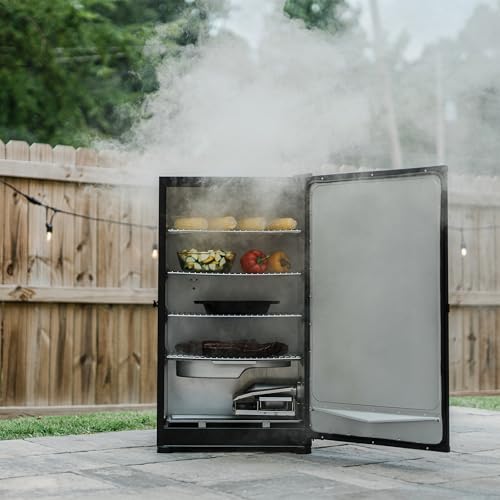
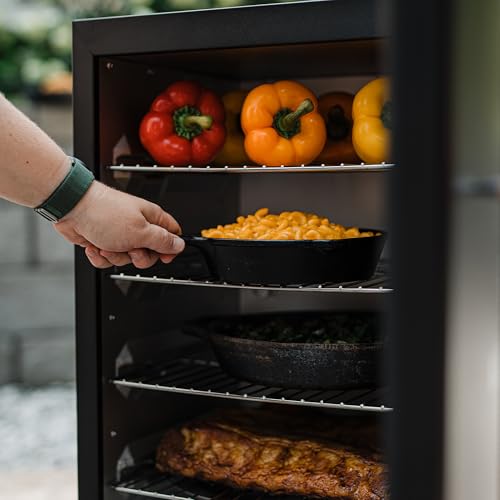
Masterbuilt® 30-inch Digital Electric Vertical BBQ



As an Amazon Associate we earn from qualifying purchases. Product prices and availability are accurate as of the date/time indicated.
For how we weigh sources, see how we choose. We research and compare; we do not use or review the products ourselves.
Changelog: November 2026: first published.